
Menu Display


Alert Web

HeraAssetPublisherFilterComuneSelector

Data, the key to a smart future

Testata Focus

Testata Focus

Category Facet

category

Custom Facet

ddmStructureKey

Search Results

43 Results for

Asset Publisher

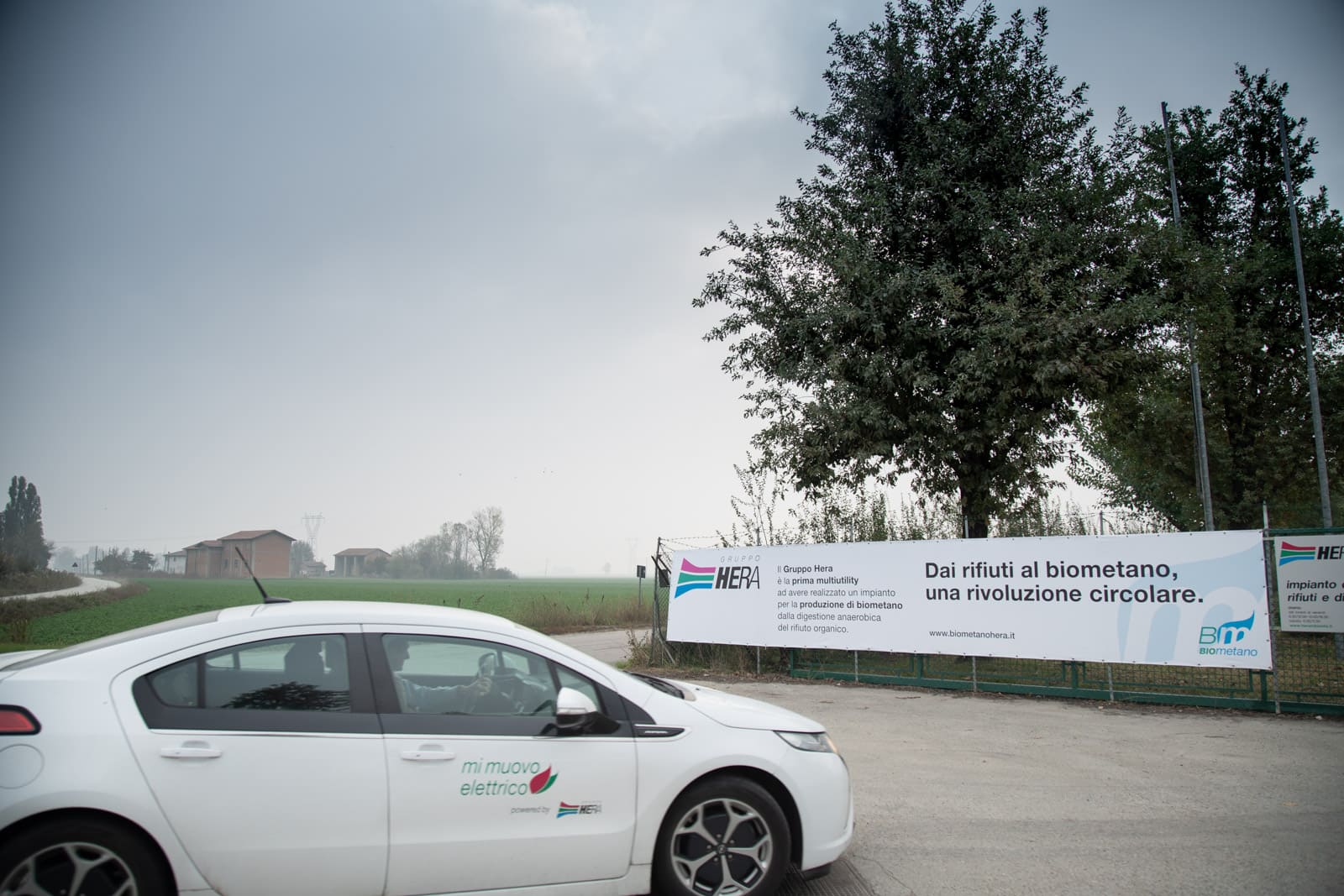
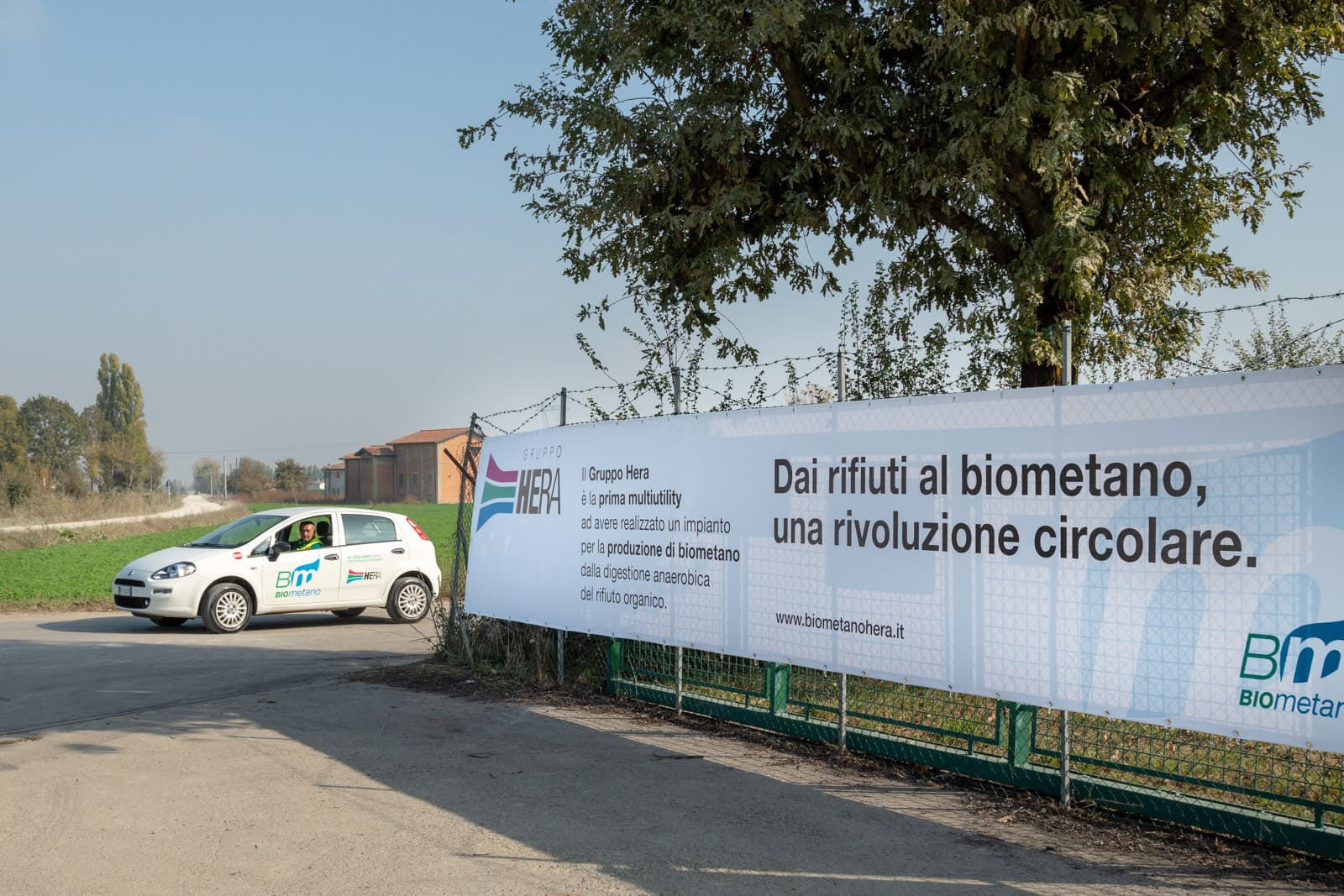
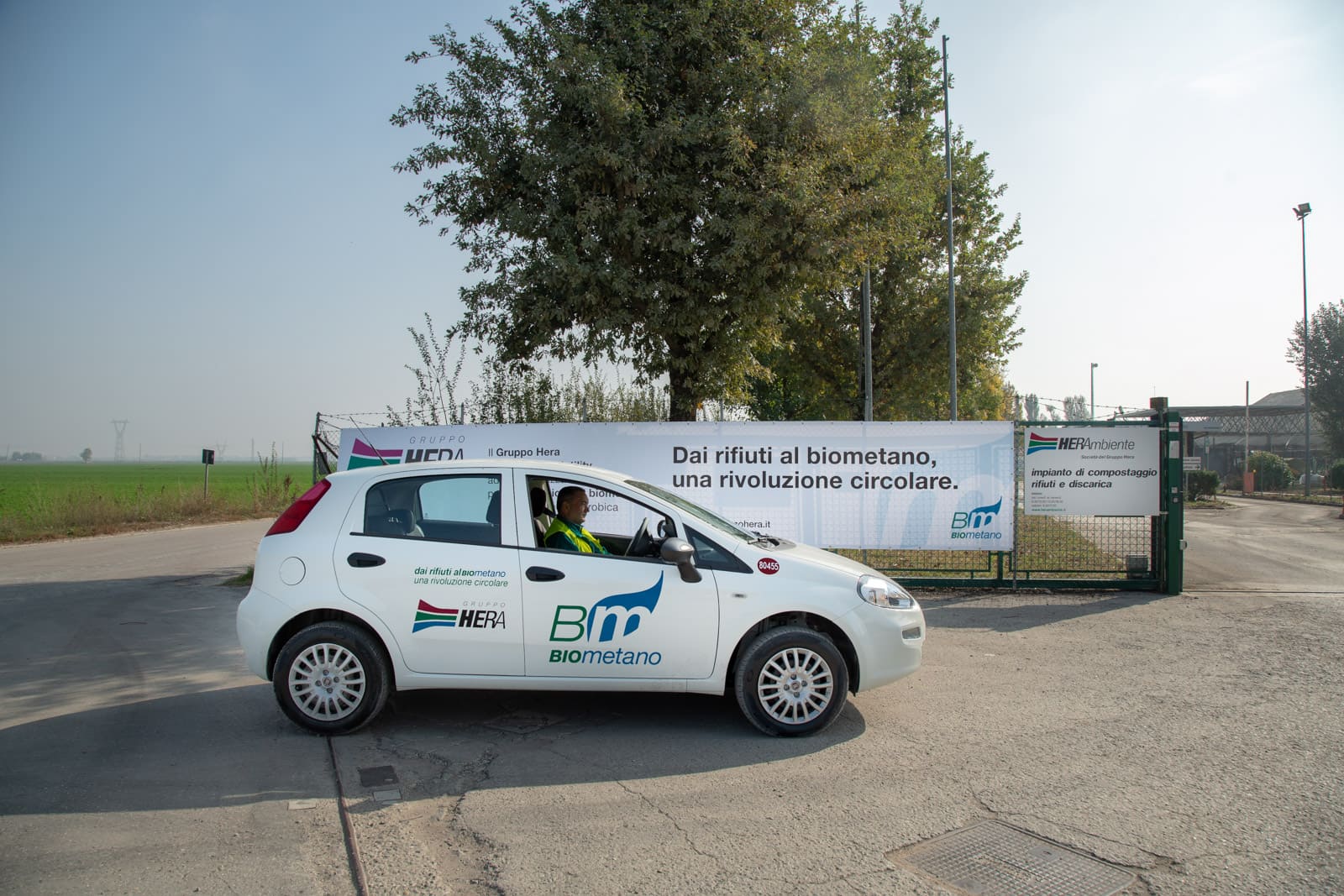
From organic waste to biomethane, a circular revolution

A revolution rooted in the circular economy: thanks to separate waste collection, organic waste is fed into an anaerobic digestion process to produce biogas.

Biomethane: a clean resource of biological origin

So, what makes this source of methane “bio”? Quite simply, it’s how it is produced: not by drilling into deep underground deposits, but by fermenting organic waste in dedicated facilities. Biomethane can be produced continuously, it is inexhaustible, and production can be increased simply by building more plants. This makes it one of the clearest examples of a circular economy.


In Spilamberto, a biodigester converted into a biomethane plant

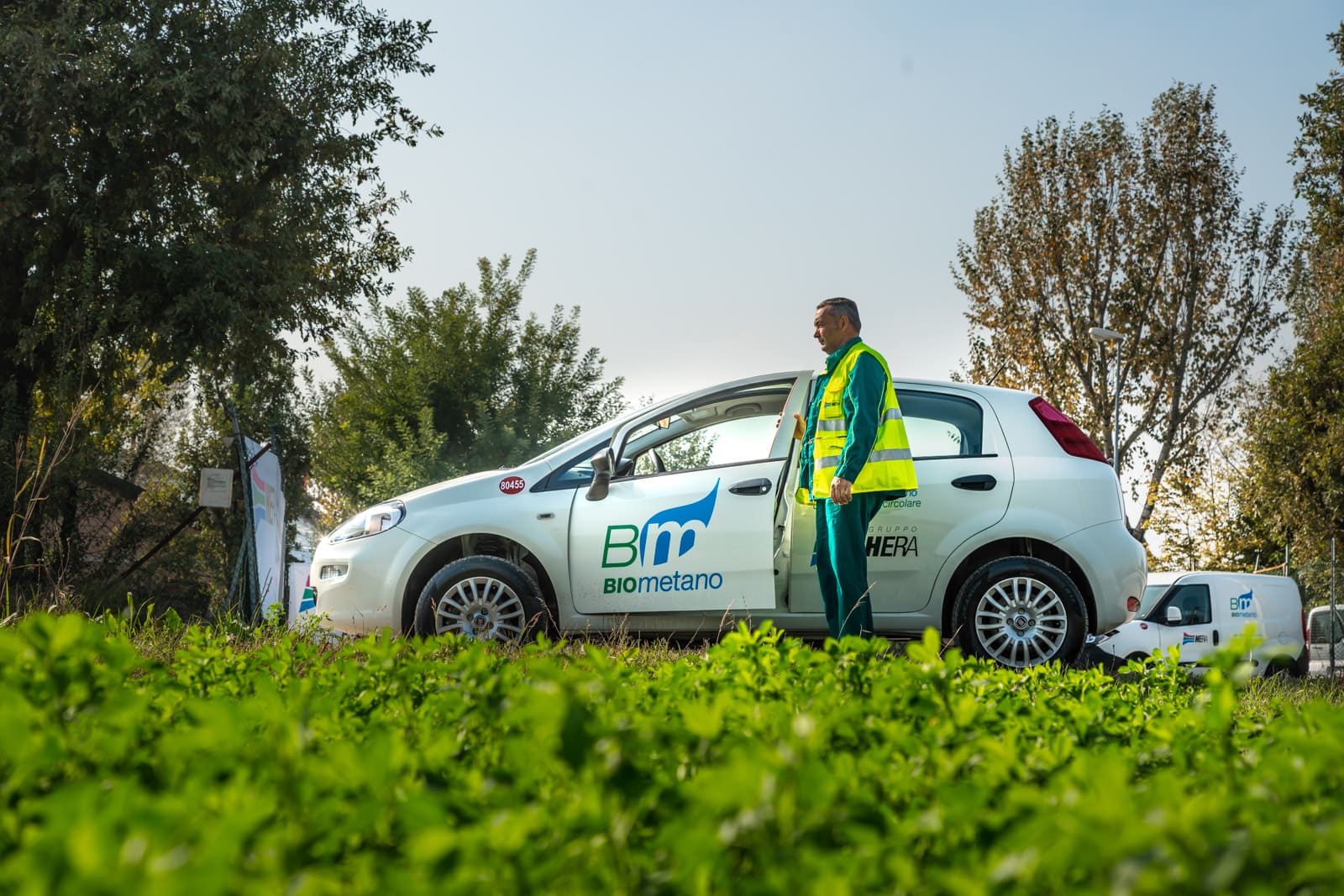
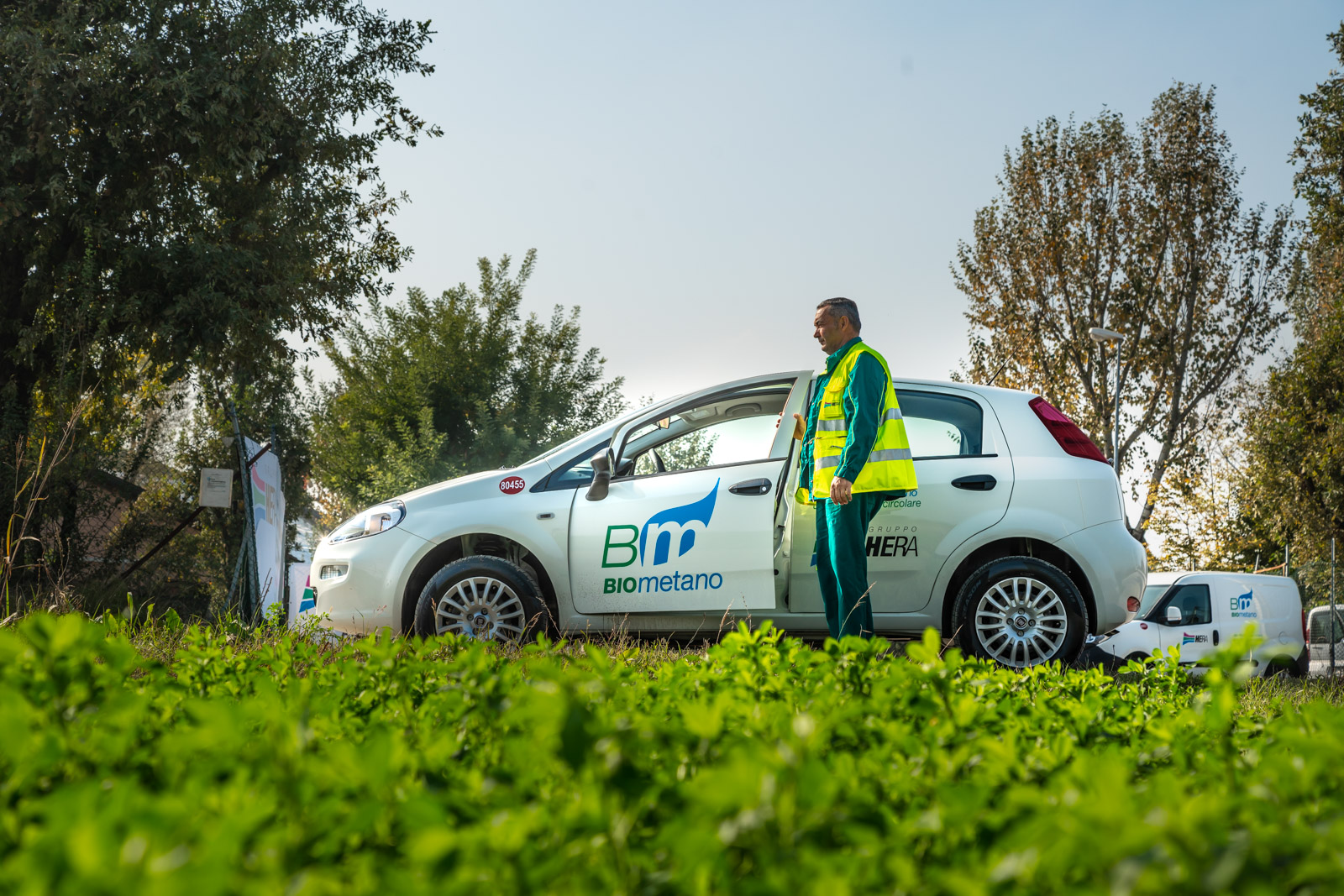
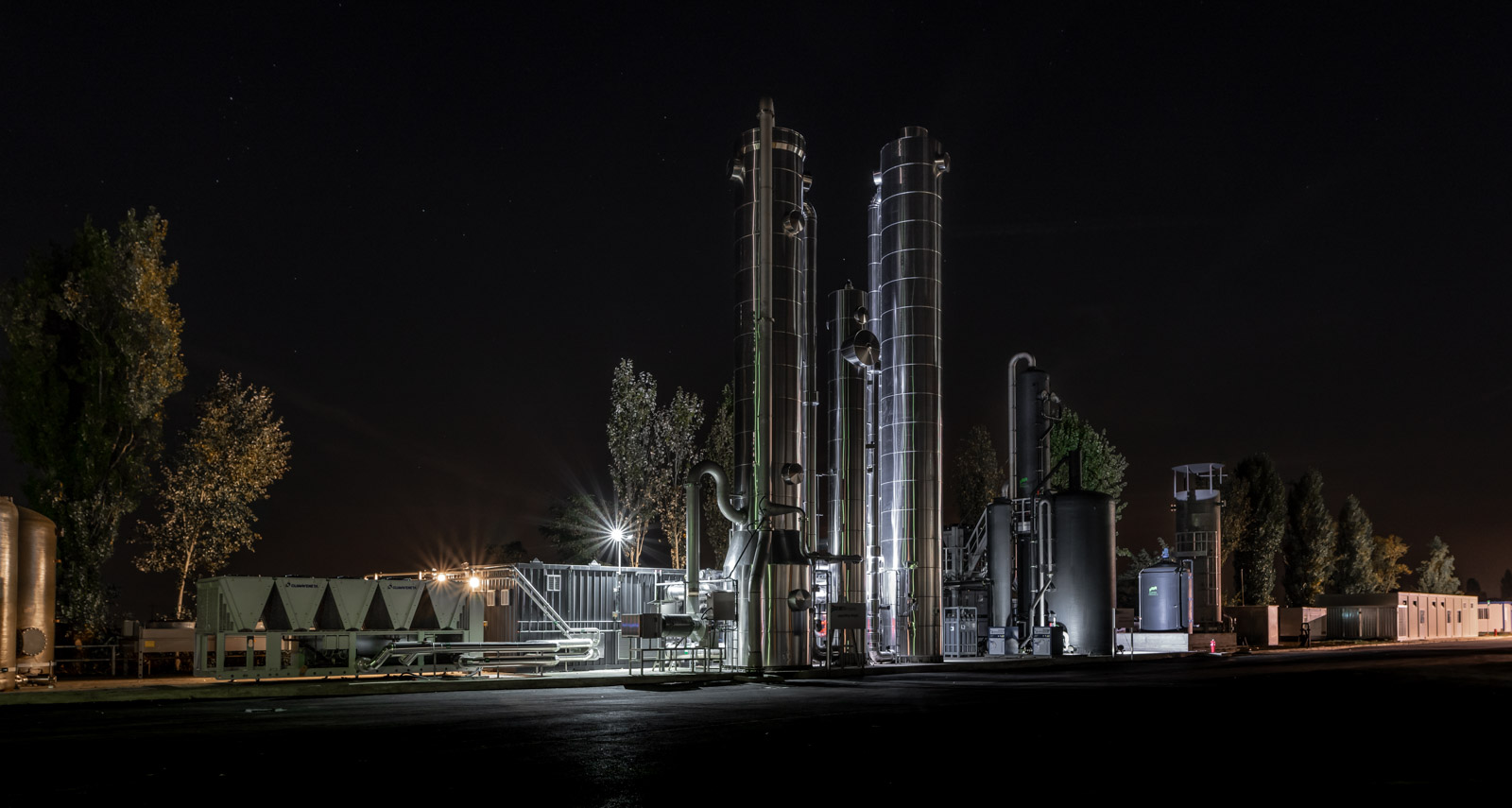
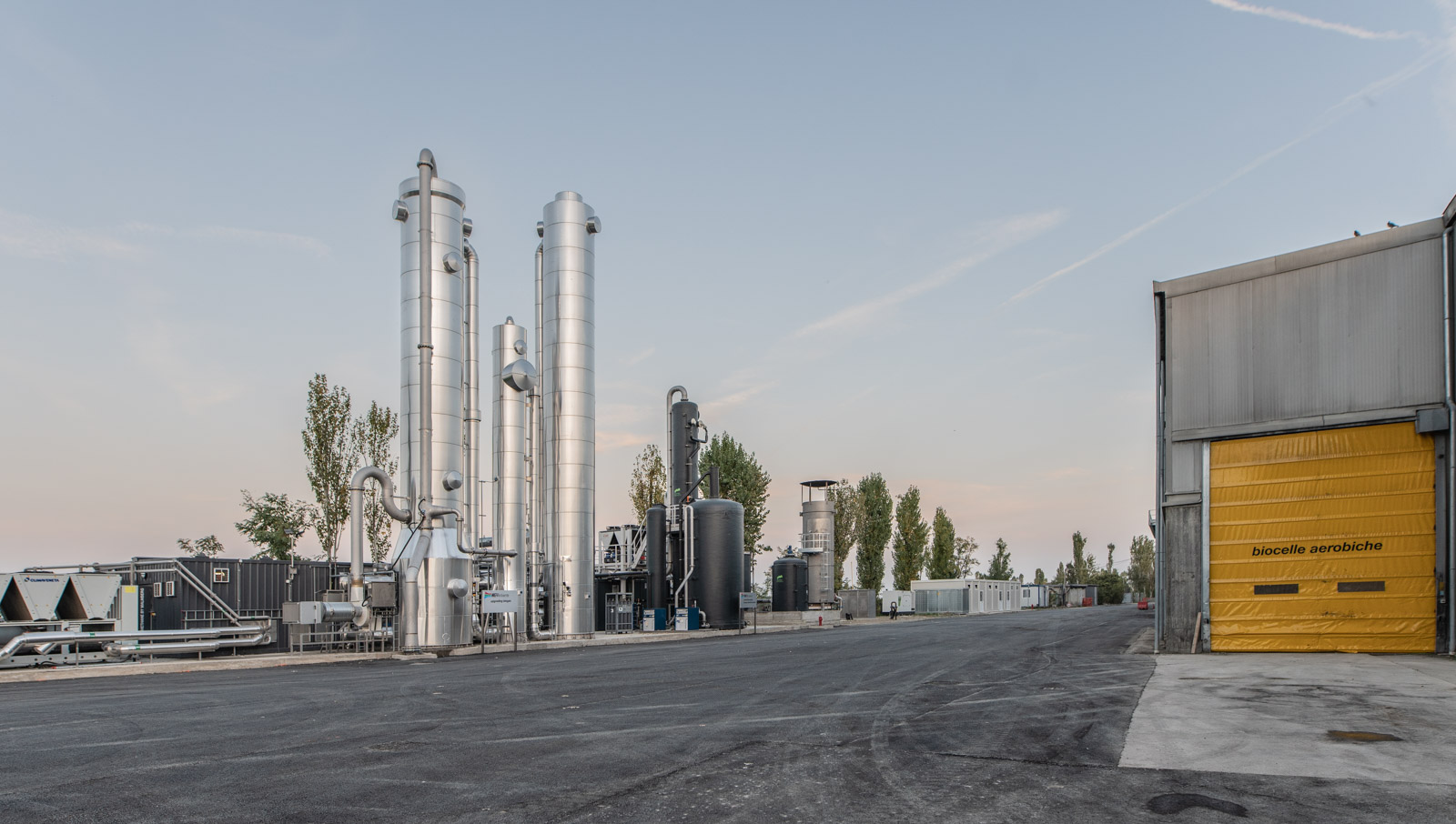
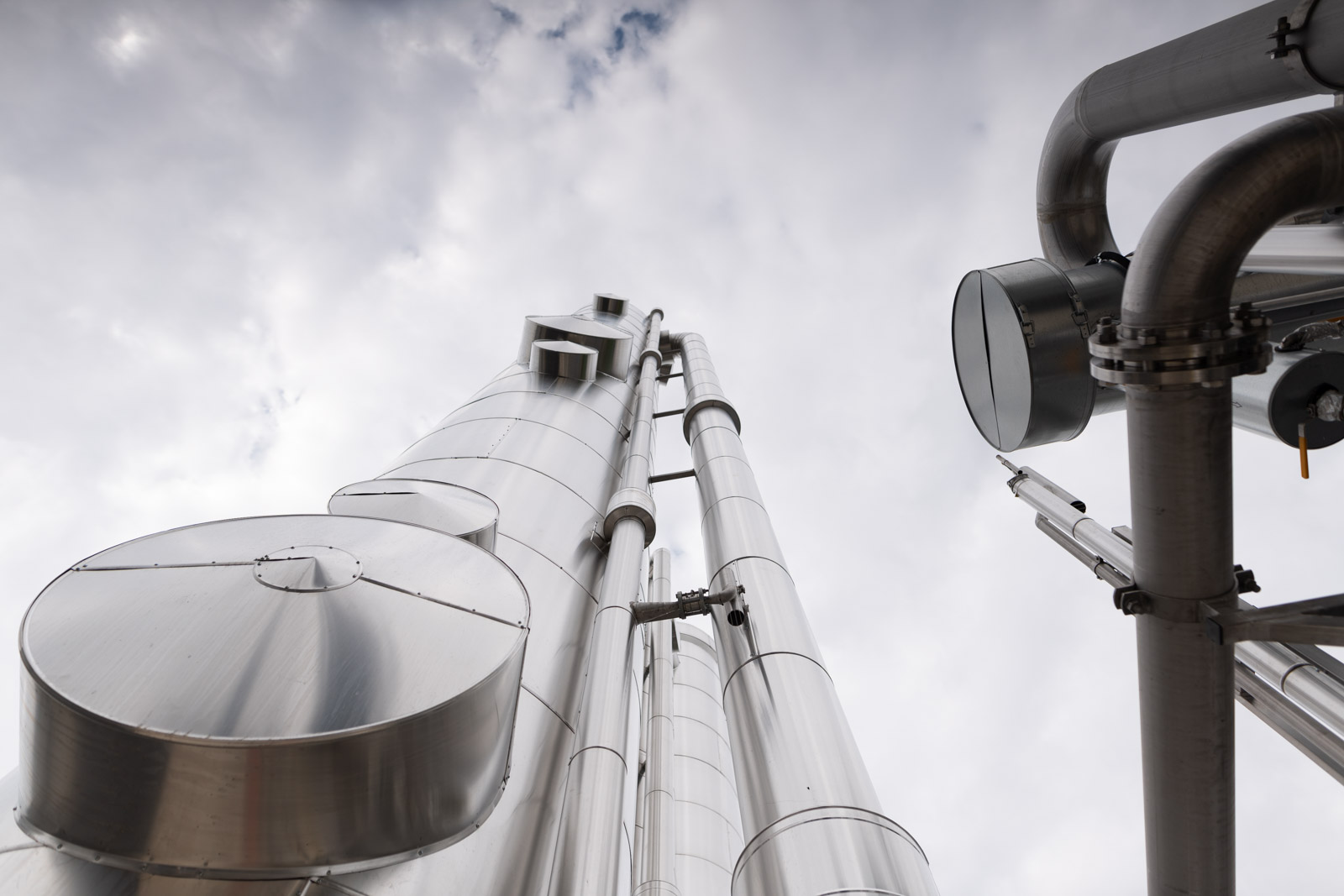
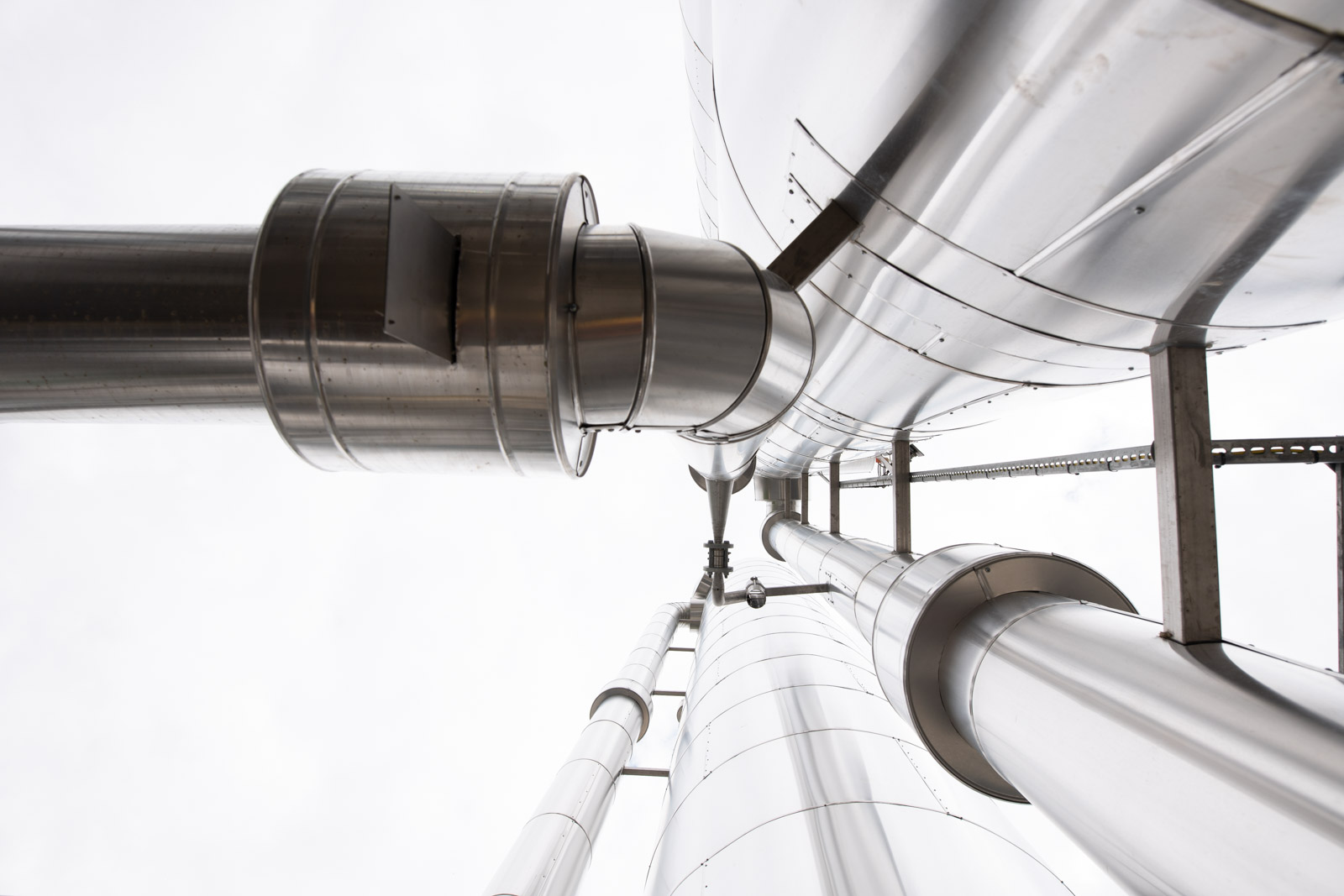
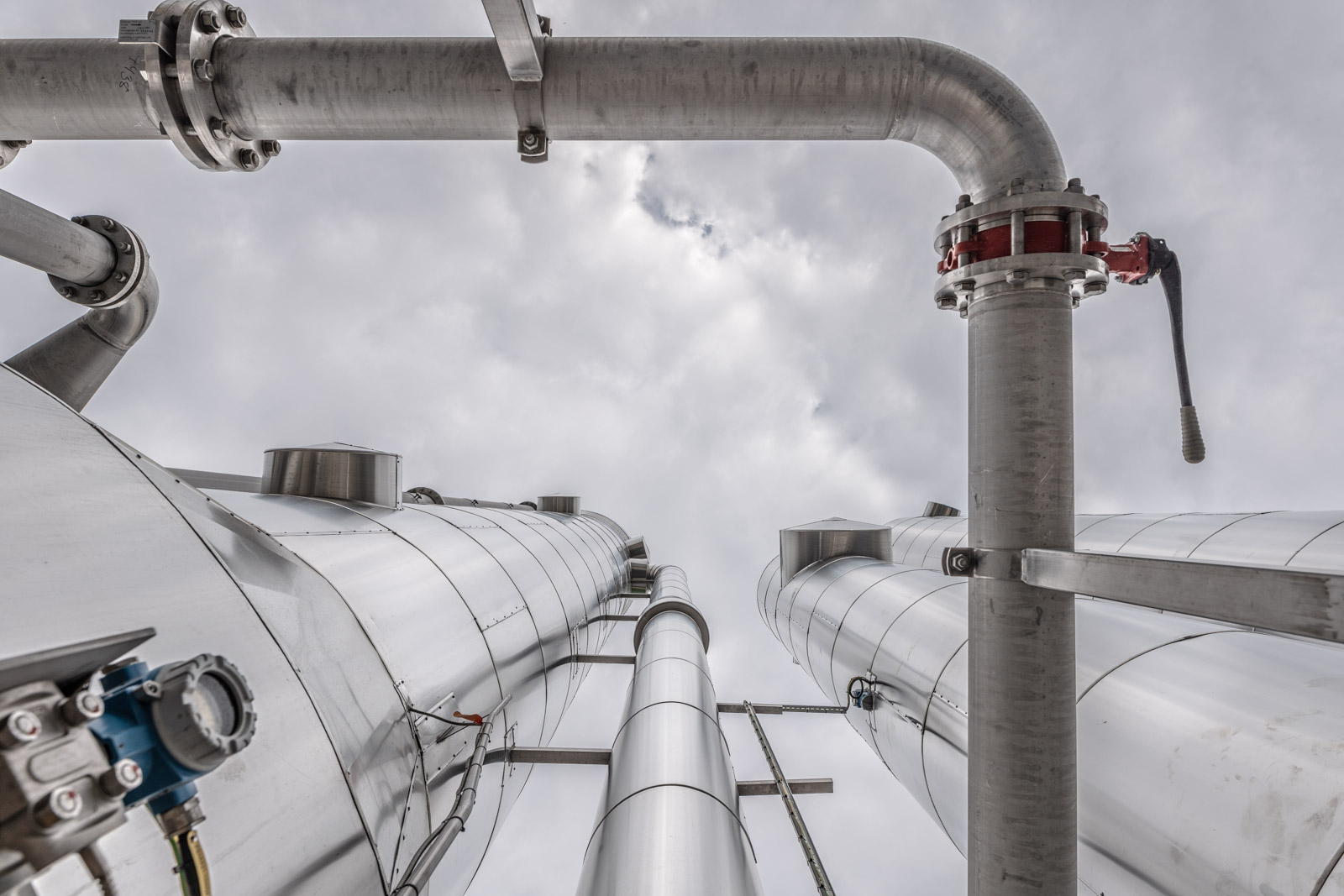
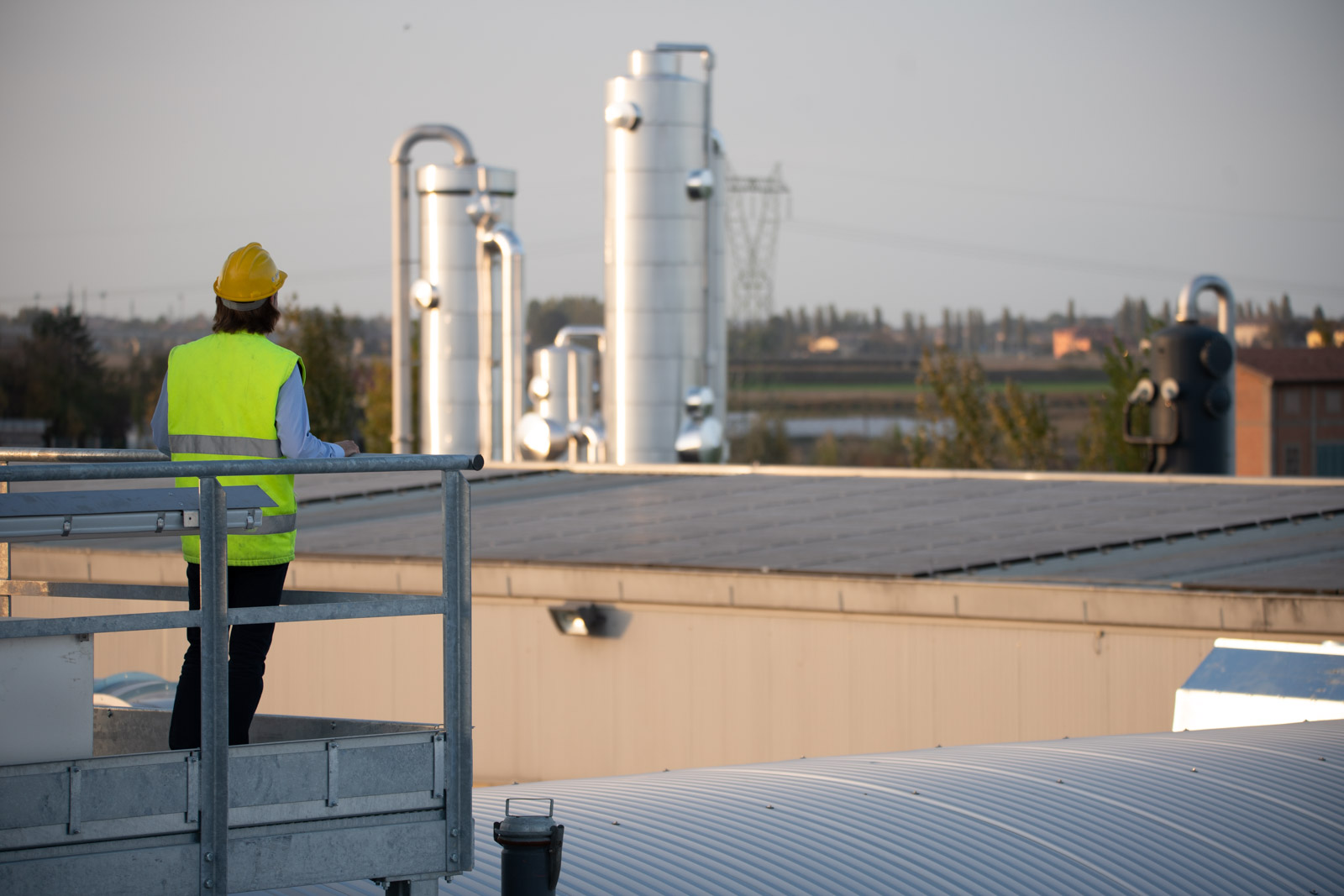
An innovative plant for the production of biomethane is in operation in Spilamberto, in the province of Modena. It was developed by the NewCo Biorg, a joint venture between the Hera Group and Inalca (Cremonini Group), through a total investment of around €28 million and the use of the best available technologies.

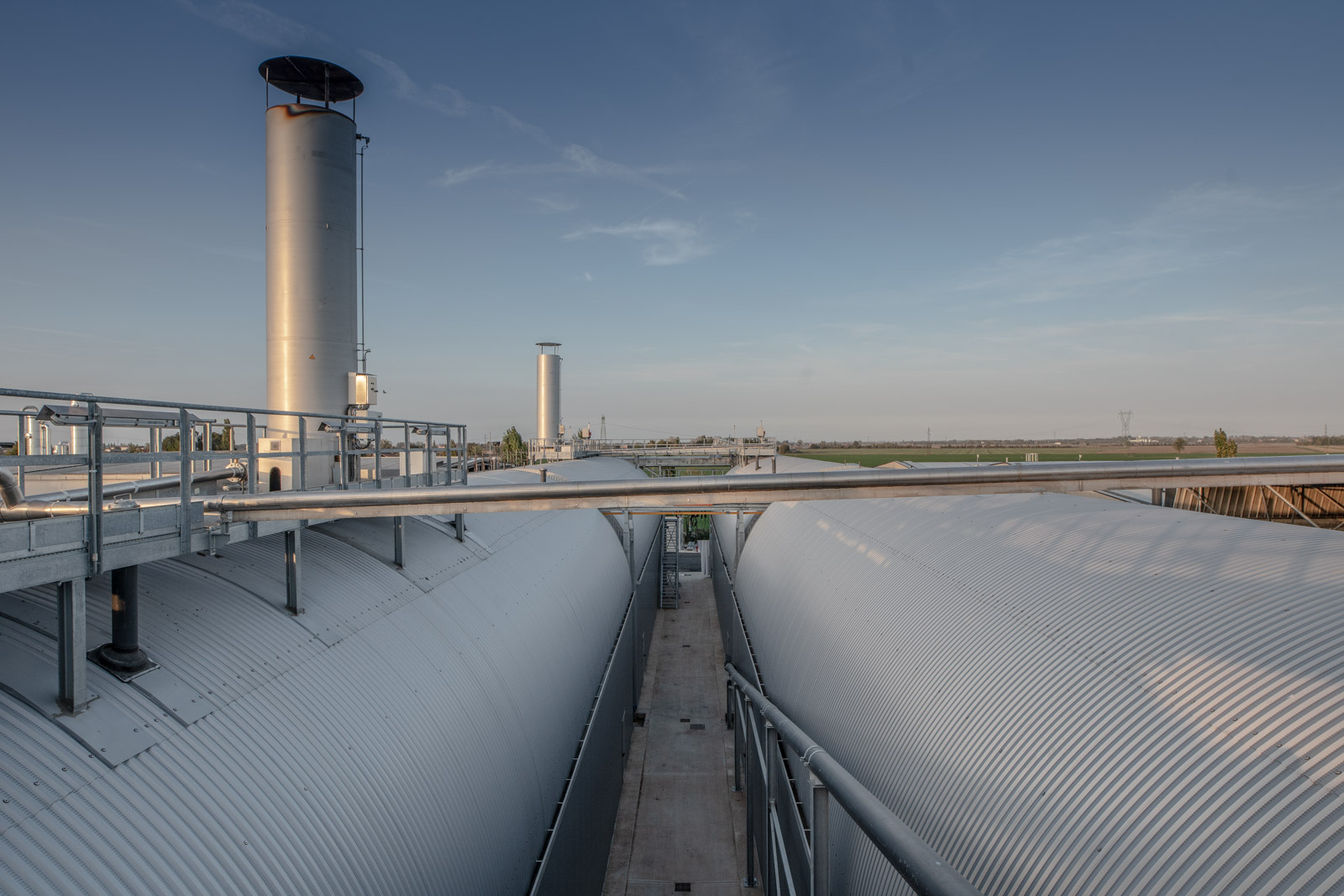
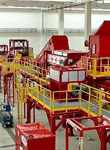
Starting from separately collected organic waste and agri-food effluents, the plant – the result of converting an old biodigester – produces, at full capacity, 3.7 million cubic metres of biomethane per year, a 100% renewable fuel intended for transport, and around 18,000 tonnes of compost.

A cutting-edge plant for the energy transition and the circular economy
The 100% renewable natural gas is produced through anaerobic digestion of organic waste from separate collection carried out mainly in Modena and the province, along with waste from local agri-food processing and meat production by Inalca. Once refined, it becomes biomethane and can be fed into the gas network.

Significant environmental benefits: around 7,000 tonnes of CO₂ avoided
Thanks to the injection of biomethane into the network and its use in transport, significant environmental benefits are expected. Every year, around 3,000 tonnes of oil equivalent (TOE) in fossil fuels are saved, and approximately 7,000 tonnes of CO₂ emissions are avoided. Absorbing such an amount of CO₂ would require, on average, 280,000 trees.


What happens in our plant in Sant'Agata

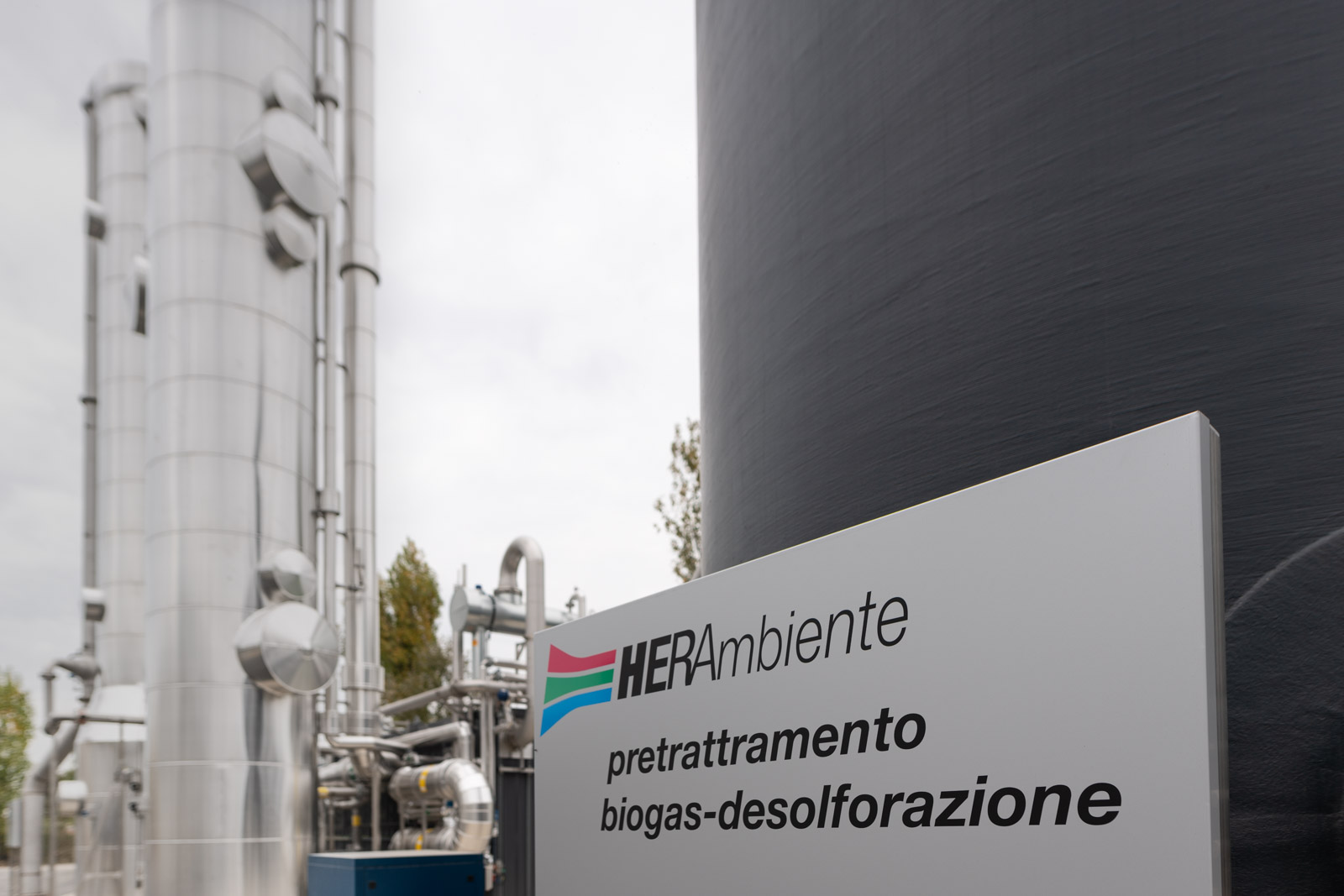
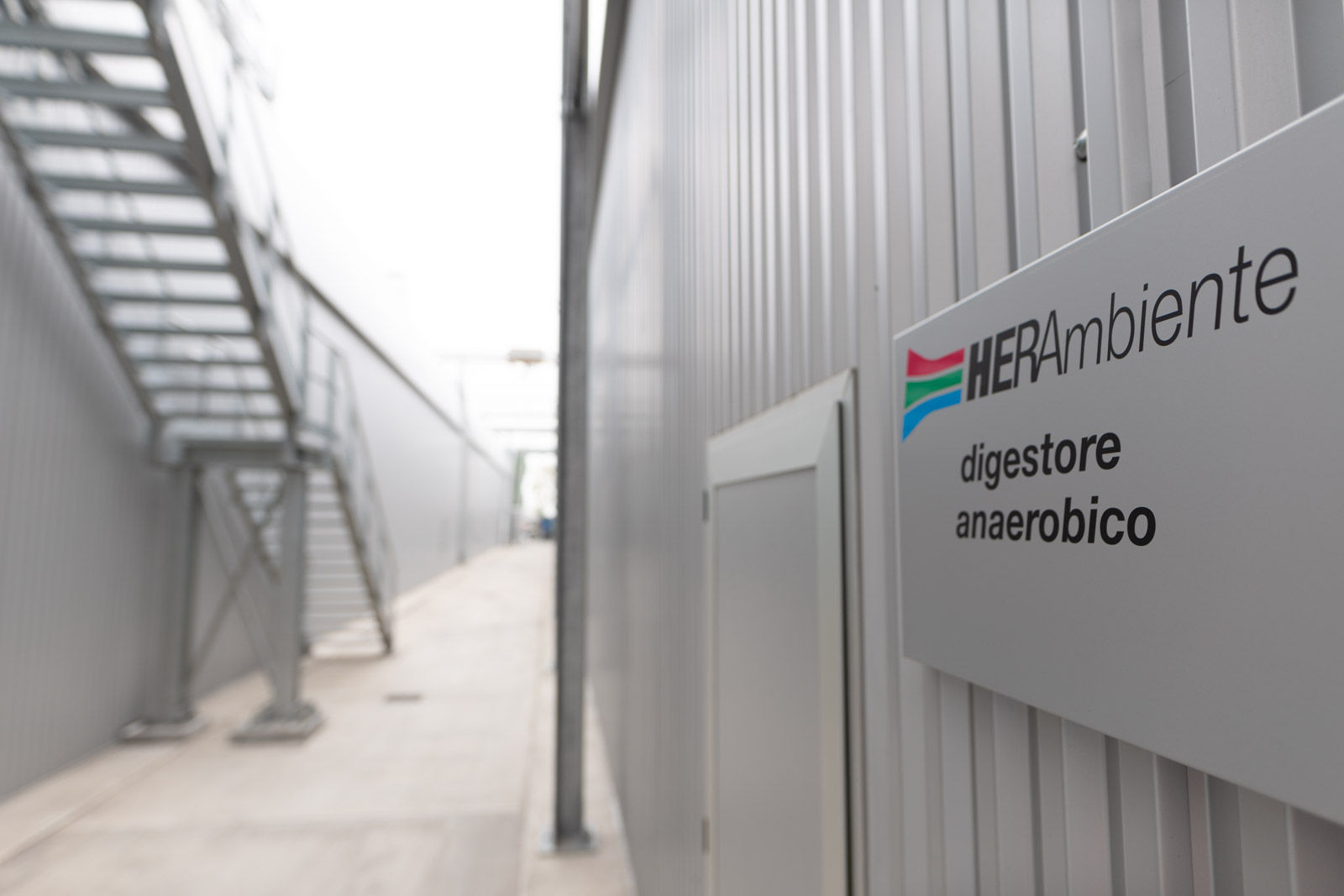
Organic waste, collected through separate waste collection, undergoes anaerobic digestion to produce biogas. This is how the process works: the waste is shredded and screened, then remains for about 21 days in four horizontal digesters, where suitable microorganisms carry out the digestion process and produce biogas (composed of methane and carbon dioxide). After this, the biogas undergoes an upgrading, or purification, phase using pressurised water: the carbon dioxide dissolves and separates from the methane. The result is biomethane, a gas with a methane content above 95%, and a completely renewable source of energy. Not only that: at the end of the digestion process, lignocellulosic material is added to the outgoing solid fraction, producing a compact mass that then undergoes composting to create high-quality compost, which can be used as potting soil or agricultural fertiliser.

Biomethane is therefore another revolution rooted in the circular economy, one that we at Hera Group are committed to advancing. We do all this with the goal of creating shared value, as Andrea Ramonda, CEO of Herambiente, emphasises: “The direction we have taken looks towards the industrial sector with an increasing focus to creating shared value and partnerships. We are aware that sustainable waste management, focused on recovery and in full compliance with regulations, is essential in today’s world and generates benefits for the entire community.”
 

Working together for a circular city

At Hera Group, we have joined forces with Bologna Airport and Tper to launch a circular economy project that contributes to decarbonising urban mobility and improving air quality.

What does this partnership involve? The Airport delivers its organic waste to Hera, which collects it at the Sant'Agata Bolognese plant together with similar waste produced by citizens and transforms it into biomethane that Tper purchases to feed the fuel tanks of a significant part of its bus fleet.


This is an important step forward for our Group and for two major organisations in our area, which, like us, serve hundreds of thousands of people. We share a commitment to improvement and sustainability, in line with the UN 2030 Agenda.
[business-activities/focus] hidden search categories

Tag Facet

Tag

Search Results

Focus
Innovation

Data for innovation, people for value

Data for innovation, people for value From silos to connected ecosystems: introducing Hera Mesh Hera has embarked on an ambitious journey to become a data-driven company, making the most of its information assets to create value, innovation and sustainability. To overcome the usual bottlenecks between IT and business activities, Hera has adapted Data Mesh principles to its own ecosystem, creating Hera Mesh: Domain ownership – Business teams are responsible for their data and treat them as a product.. Self-service platform – Accessible tools that cut time-to-data from weeks to hours. Data as a Product – Every dataset is curated, documented, tested and monitored. Federated governance – Common rules applied automatically, without slowing local innovation. A paradigm shift We have adopted a new way of defining data: it is no longer a table, a spreadsheet or a database entry, but a “Product”. Today we no longer work with tables, spreadsheets or databases, but with a network of “Data Products” linked to one another. Each of these “Products” is an “item” that contains not only the data but also the rules according to which it is transformed, making clear where it comes from and how it has been processed. A - Data Product - is built to be shared across the company, reducing the cost of developing solutions based on the same data and optimising resources. Our data strategy It is not only a technological transformation. It is a profound change that puts people at the centre, guided by a Data Strategy. Introducing the Data Strategy Strategy at Hera has led to the creation of over 650 Data Products, now available in the Group catalogue and already generating value for the company. These Data Products provide a foundation for a wide range of reporting solutions and AI applications. Our operating model, i.e. the way in which organisational units collaborate to create and use Data Products, is based on an approach bringing business experts and developers together to co-design the software. The model also uses a hub spoke structure, in which the central hub provides core services such as technology and support, while the spokes (in the business units) are responsible for data management, processing and use. Alongside the technology, people play a central role in this highly innovative approach. For this reason, we have defined competency profiles that represent the key roles involved in creating and consuming Data Products. Each Data Product has an owner (Data Product Owner) who defines its scope, features and life cycle. It is managed by a dedicated steward (Data Product Steward), who defines the transformation and controls quality, to provide colleagues with reliable data. The Data Strategy is not just a set of principles and components. It is a cultural and organisational change process. For this reason, the Hera Group has launched a change management plan that provides training, communication and engagement opportunities across the company. preview_data_management (1).jpg no
Focus
Remote Control
AI & Process automation

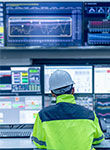
Network inspection and leak detection with innovative systems

Technological solutions that leverage artificial intelligence, data analytics and remote monitoring systems to make our distribution infrastructure more efficient and safer.
Focus
Decarbonisation

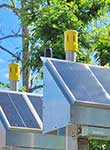
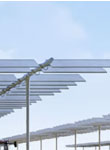
Energy Parks and agrivoltaics: innovative models of sustainable development

Innovative initiatives to generate renewable energy without additional land take and to support the energy transition and decarbonisation.
Focus
Water Project

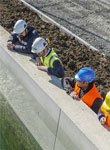
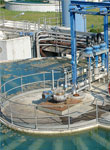
Advanced wastewater management: resilience and reuse for the integrated water service

Wastewater management is undergoing a profound transformation. With increasingly resilient purification systems and technologies that enable reuse, the integrated water service is evolving towards a circular model.
Focus
Water Project

Water Living Lab: circular economy applied to research

The plant removes any micropollutants from water using innovative materials resulting from the recovery of waste products from the biomedical industry.
Focus
Water Project
Digitalisation

Hera begins a study to strengthen the resilience of the sewer systems serving the municipalities of the province of Ravenna

The Hera Group has been entrusted with completing the surveys and the digital modelling of the urban sewer and drainage systems serving the municipalities across the province of Ravenna.
Focus
Innovation
Regeneration of resources

Modena to host Aliplast’s new state-of-the-art plant for rigid plastics recycling

High output, low environmental impact: a genuinely circular facility, among the most innovative in Europe and a model for the whole industrial sector, promoting shorter and more sustainable value chains.
Focus
Innovation
Predictive technologies

Technological innovation in materials and processes to strengthen network resilience

Boosting risk prevention and the resilience of distribution infrastructure improves efficiency and service quality, and helps to enable the energy transition.
Focus
Innovation
Remote Control

HERABIT, the Group’s digital company, strengthens its synergy with Hera and expands its presence to new areas.

Expanding fibre coverage in industrial areas and boosting data centre services: a growing offering for businesses and individuals.
Focus
Regeneration of resources

Recycled plastic pipes: building a circular economy also underground

A project developed in partnership with Aliplast and Idrotherm 2000 involves the use of recycled plastic to produce pipes for electricity and sewer networks.
Focus
Energy Efficiency
Energy

SynBioS: from renewable electricity to biomethane with power-to-gas technology

In Bologna, we will build the new SynBioS plant – a cutting-edge solution of international relevance in the field of clean energy – to convert renewable electricity into synthetic natural gas and help meet the decarbonisation challenge.
Focus
Innovation
Regeneration of resources

The recycling cycle. With Aliplast, we give new life to plastic

From carbon footprint monitoring to transforming plastic into an endlessly recyclable resource. This is how, together with Aliplast, we are committing to the transition to a circular economy.
Focus
Innovation
Water Project

Algae to Value: wastewater turns into a benefit for agriculture

The connection between the water cycle and agriculture has grown increasingly strong over the years, based on a straightforward principle
Focus
Innovation
Water Project

State-of-the-art prevention and control tools for high-quality water

Early warning system with innovative FingerPrint technology to ensure safe water
Focus
Innovation
Water Project

Making water drinkable with nanotechnology: it’s now a reality!

Discover the project for “removing and capturing” microcontaminants with recycled materials
Focus
Innovation
Water Project

The search for water leaks is now more efficient, thanks to cosmic rays

Hera continues experimentation of the innovative, fast and low-cost contactless system that uses space technology to detect water leaks in the network more quickly and productively
Focus
Innovation
Water Project

Sentry meters, to detect water leaks in the network

The pilot project involving the installation of Kamstrup meters was carried out in Conselice, near Ravenna, and yielded excellent results. The tests now continue in Modena, covering a larger area
Focus

Smarty, The new line of waste containers

Smarty, The new line of waste containers smarty.png no
Focus

Waste-to-energy plants: a resource for the circular economy

Waste-to-energy plants: a resource for the circular economy waste-to-energy.png no /-/waste-to-energy-plants-a-resource-for-the-circular-economy

Asset Publisher

Data, the key to a smart future

Data, the key to a smart future

From city to "smart city" thanks to data: with our detection systems we can monitor traffic trends, air quality and consumption of public parks. 

A smart waste bin, one which opens and closes autonomously, and that can recognise users by card or smartphone and record what they have put in, alerting operators wirelessly when it is full. Is that science fiction? No, it's our Smarty waste bin, one of the latest projects launched by Hera to improve and make separate waste collection even more efficient. An initiative that easily and immediately represents, especially for customers, the innovation and digitalisation process that Hera has pursued in recent years, putting data and its analysis first.

Every day we receive millions of data, a volume of information that is not comparable to what we were facing just a few years ago. The most advanced digital systems come to our aid, such as the Internet of Things and business intelligence systems, machine learning algorithms, and artificial intelligence tools.  

The city of the future, the "smart city", is one of the areas in which we can most effectively express the innovation of our services. Thanks to Acantho, Hera Group's digital company with its 4,200 kilometre long proprietary fibre optic network, we have developed public Wi-Fi services, smart security systems, and digital signage such as multifunction totems that display information or promotional content. Our detection devices and sensors, connected to a state-of-the-art IT infrastructure, enable us to collect information on traffic trends, air quality, usage of public parks by the building industry, and even satellite reconnaissance of roofs containing asbestos. Valuable information, which is essential to increasingly understand the local area in which we operate and to create shared value. 

Accessing such an advanced data pool places a great responsibility on us: to protect it. According to the World Economic Forum's Global Risk Report 2020, cyber-attacks are one of the top 10 risks for people and the global economy, both in terms of impact and probability. That's why we are continually working to improve our approach to cyber-security, to defend devices, users, identities, and infrastructure. Over the past few years, we have enhanced the security of email and browsing on our employees' devices and strengthened cloud protection and monitoring of our industrial plant networks to comply with the latest regulations such as the GDPR. 

"There are many technologies available to the world of utilities. The critical issue, and the real challenge, lies in identifying the right ones for the company's strategic goals: data analytics and intelligent automation show enormous growth potential. Understanding data and how to use it in a forward-looking approach offer unprecedented opportunities for cost-cutting, and improving our service and competitiveness," explains Salvatore Molè, Central Director of Innovation and Head of ICT at Hera Group.


Bilancio bs e be banner

Financial results FY2024 and
Creating shared value report 2024

Pre-Footer Standard

Hera SpA, Viale Carlo Berti Pichat 2/4, 40127 Bologna, Tel.051287111 www.gruppohera.it