



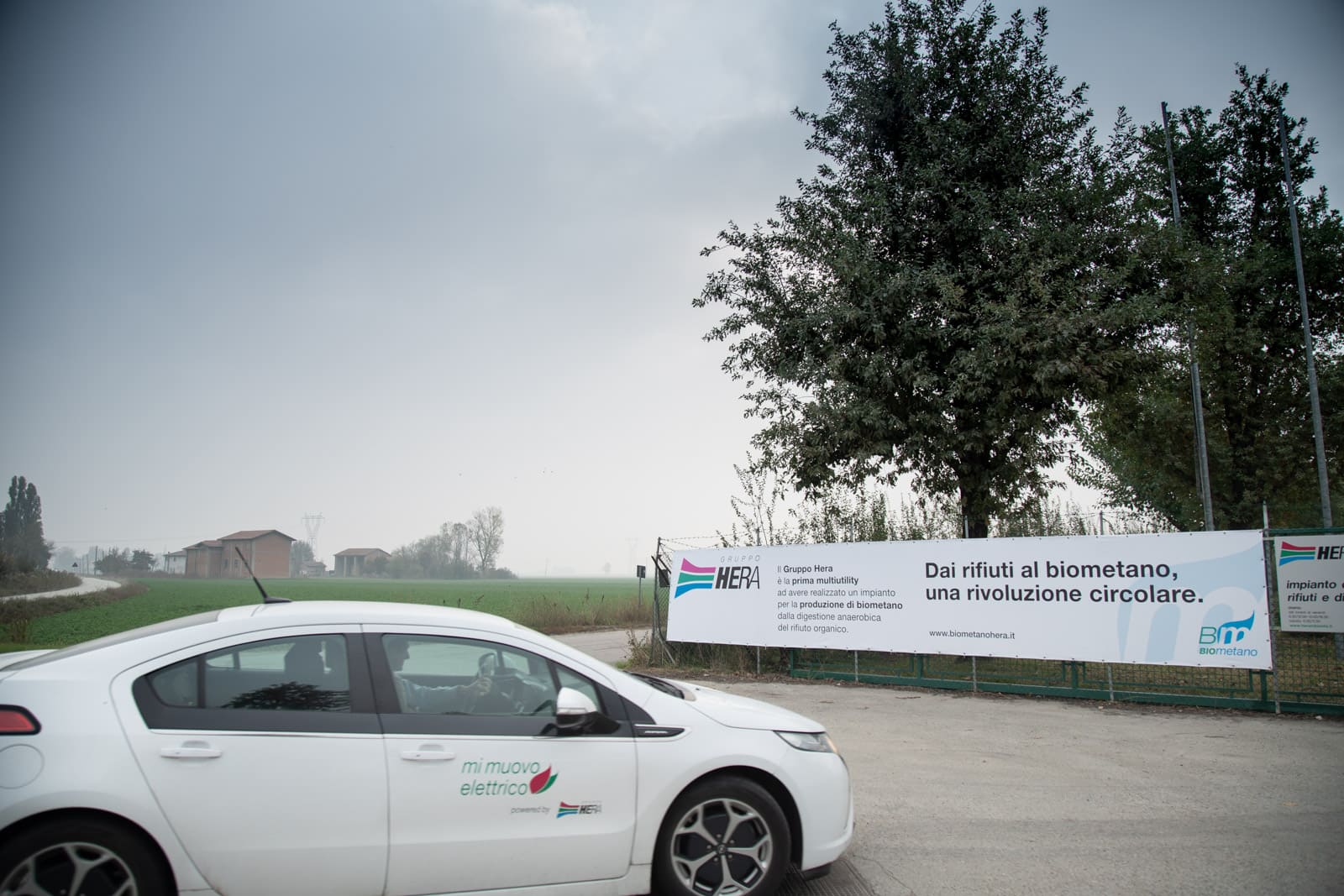
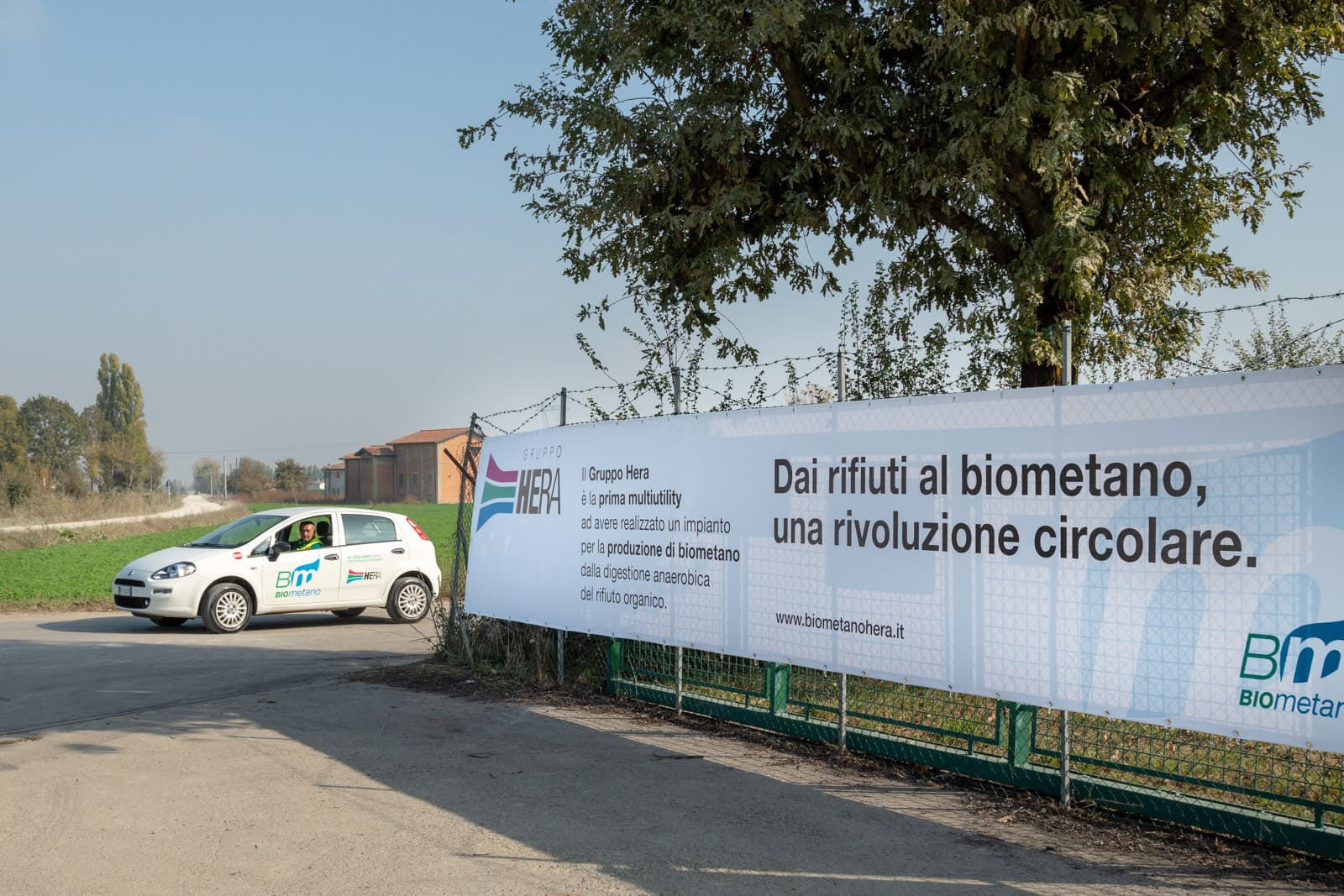
A revolution rooted in the circular economy: thanks to separate waste collection, organic waste is fed into an anaerobic digestion process to produce biogas.
Biomethane: a clean resource of biological origin
So, what makes this source of methane “bio”? Quite simply, it’s how it is produced: not by drilling into deep underground deposits, but by fermenting organic waste in dedicated facilities. Biomethane can be produced continuously, it is inexhaustible, and production can be increased simply by building more plants. This makes it one of the clearest examples of a circular economy.
In Spilamberto, a biodigester converted into a biomethane plant
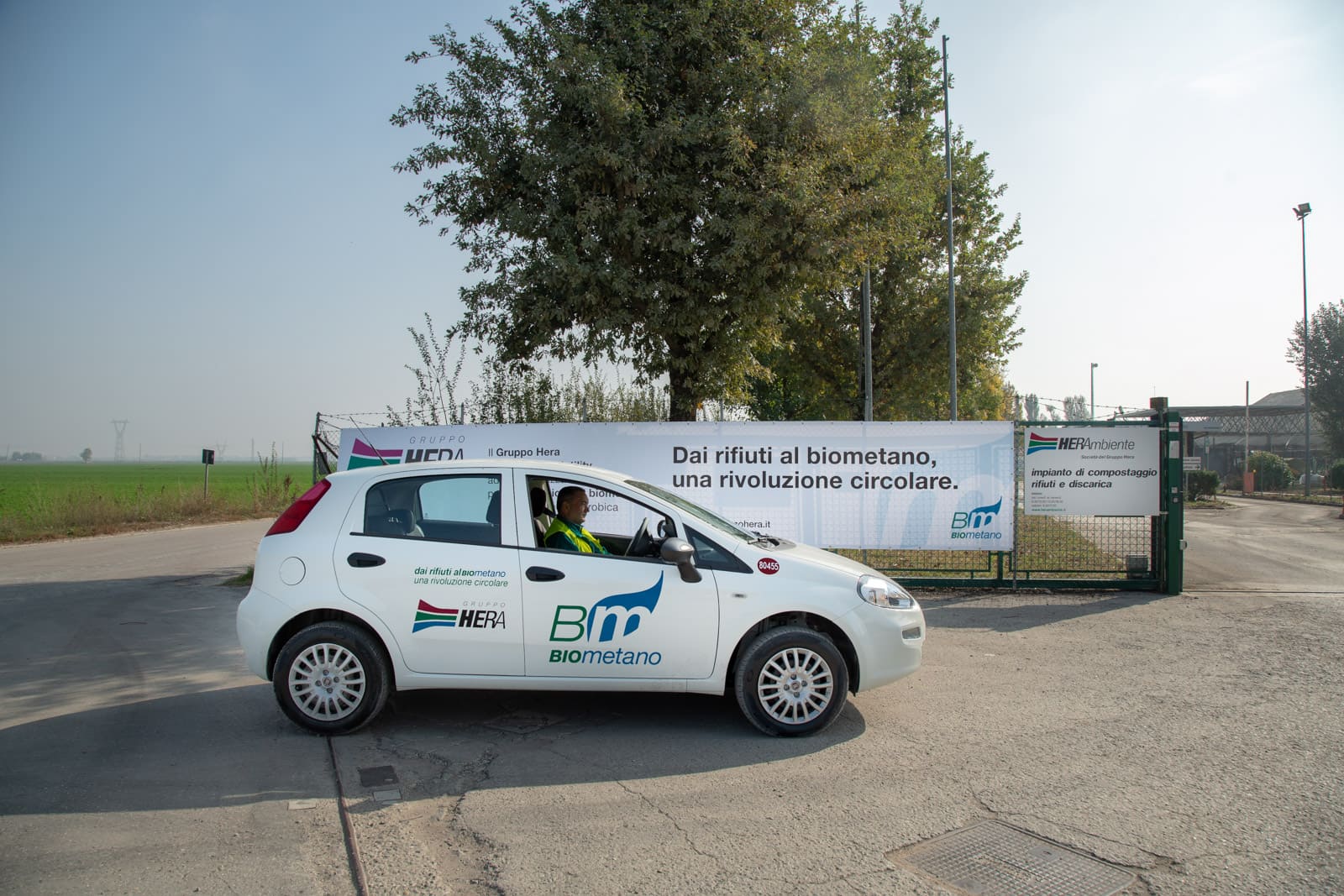
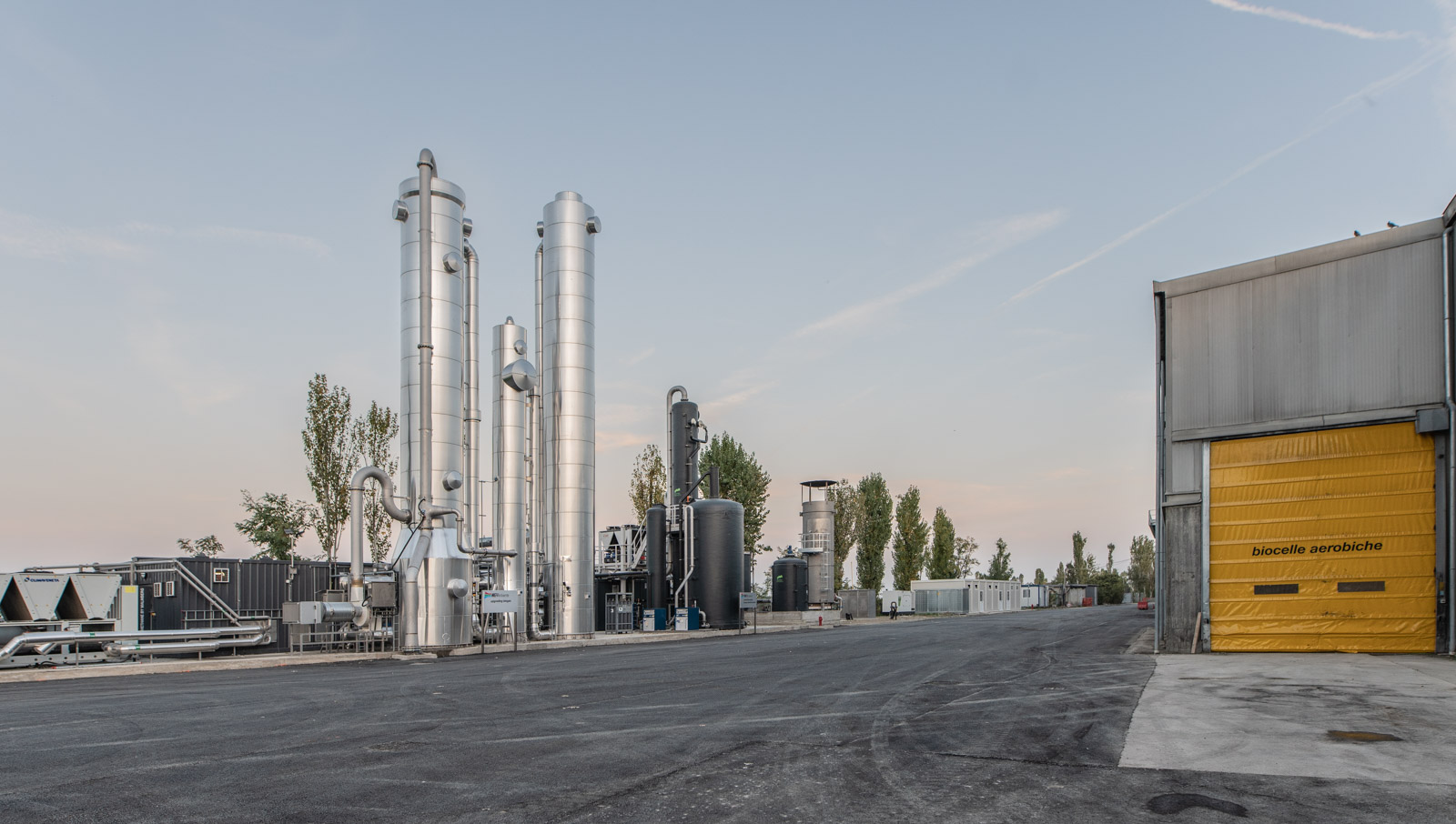
An innovative plant for the production of biomethane is in operation in Spilamberto, in the province of Modena. It was developed by the NewCo Biorg, a joint venture between the Hera Group and Inalca (Cremonini Group), through a total investment of around €28 million and the use of the best available technologies.
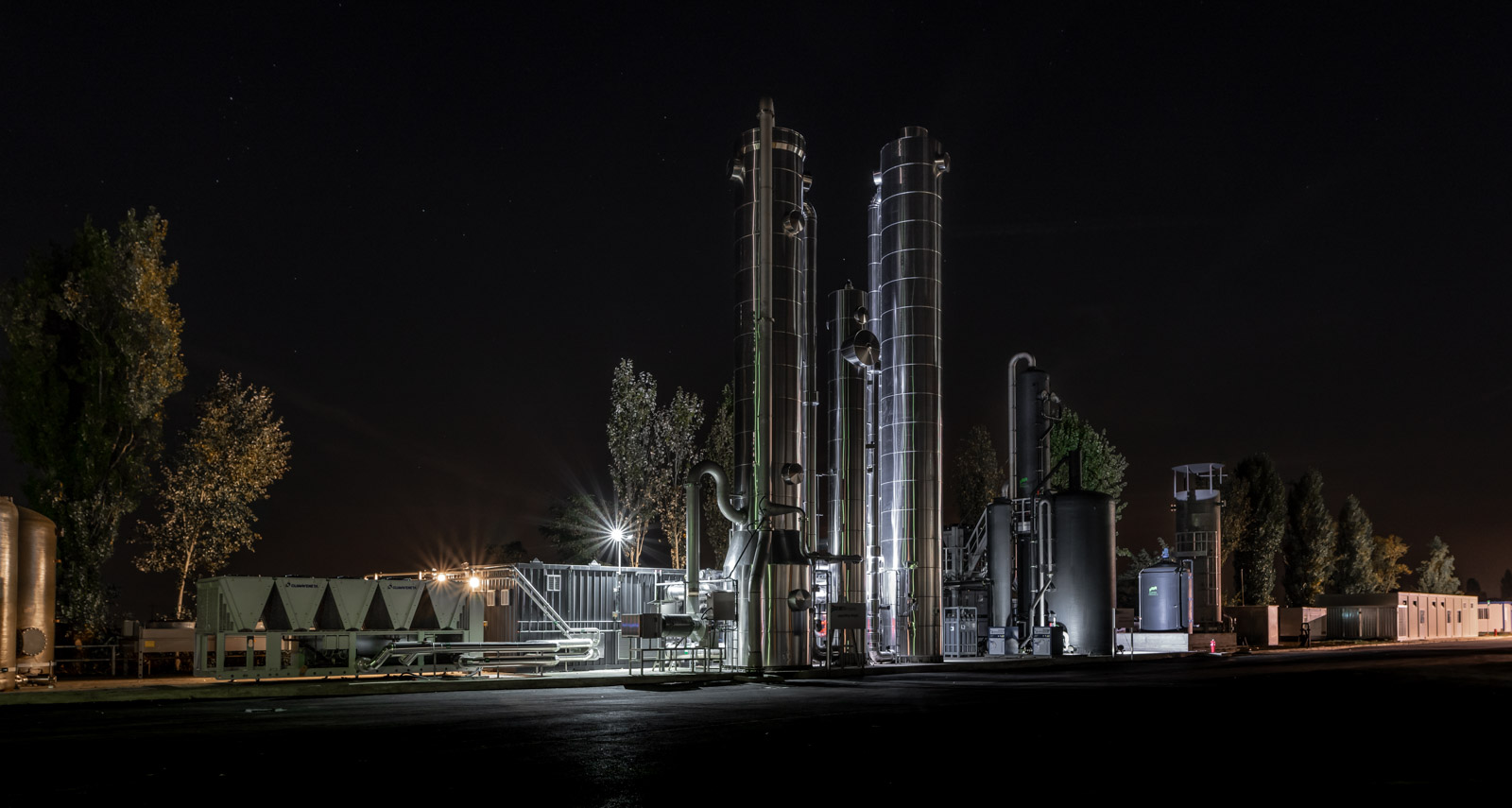
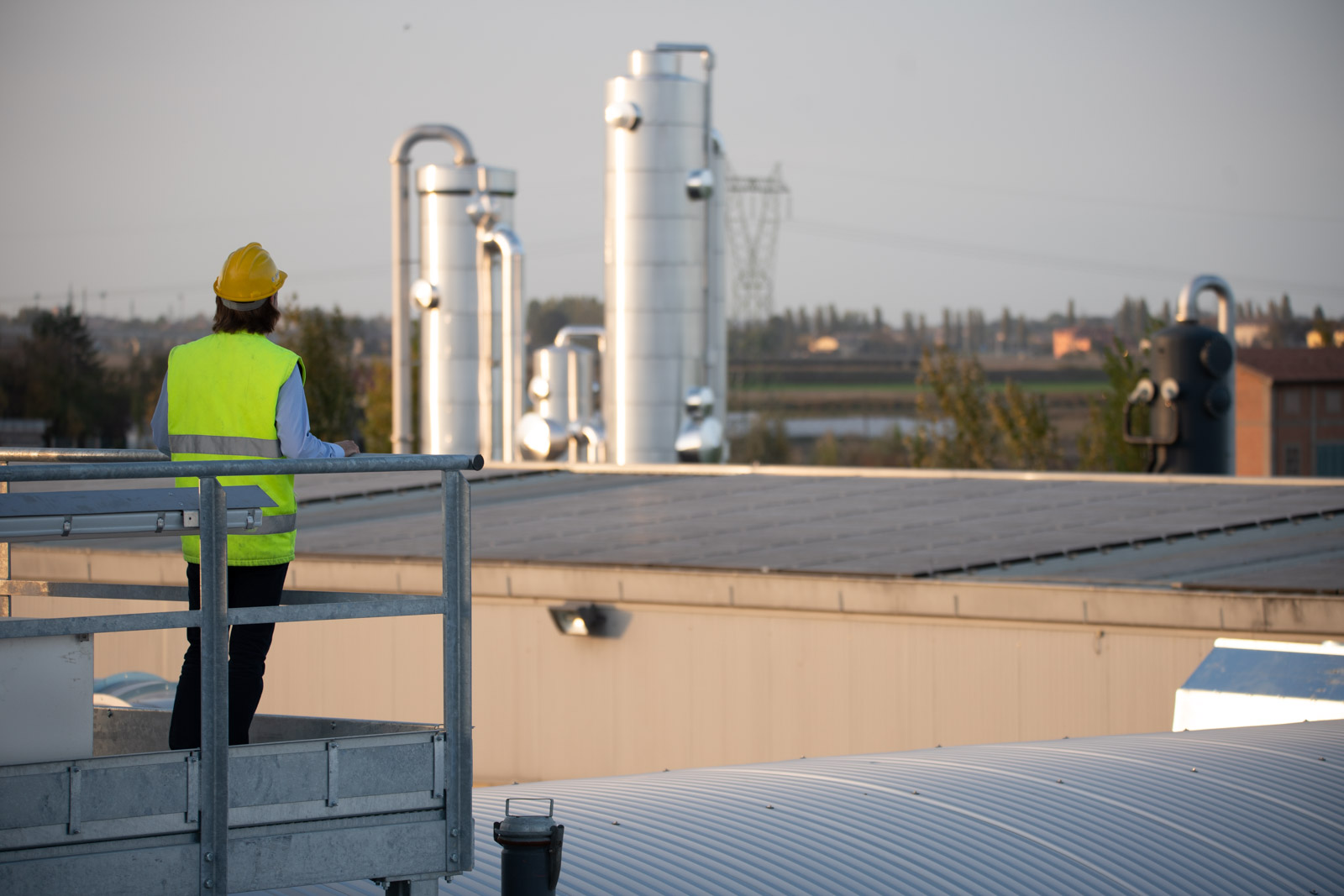
Starting from separately collected organic waste and agri-food effluents, the plant – the result of converting an old biodigester – produces, at full capacity, 3.7 million cubic metres of biomethane per year, a 100% renewable fuel intended for transport, and around 18,000 tonnes of compost.
A cutting-edge plant for the energy transition and the circular economy
The 100% renewable natural gas is produced through anaerobic digestion of organic waste from separate collection carried out mainly in Modena and the province, along with waste from local agri-food processing and meat production by Inalca. Once refined, it becomes biomethane and can be fed into the gas network.
Significant environmental benefits: around 7,000 tonnes of CO₂ avoided
Thanks to the injection of biomethane into the network and its use in transport, significant environmental benefits are expected. Every year, around 3,000 tonnes of oil equivalent (TOE) in fossil fuels are saved, and approximately 7,000 tonnes of CO₂ emissions are avoided. Absorbing such an amount of CO₂ would require, on average, 280,000 trees.
What happens in our plant in Sant'Agata
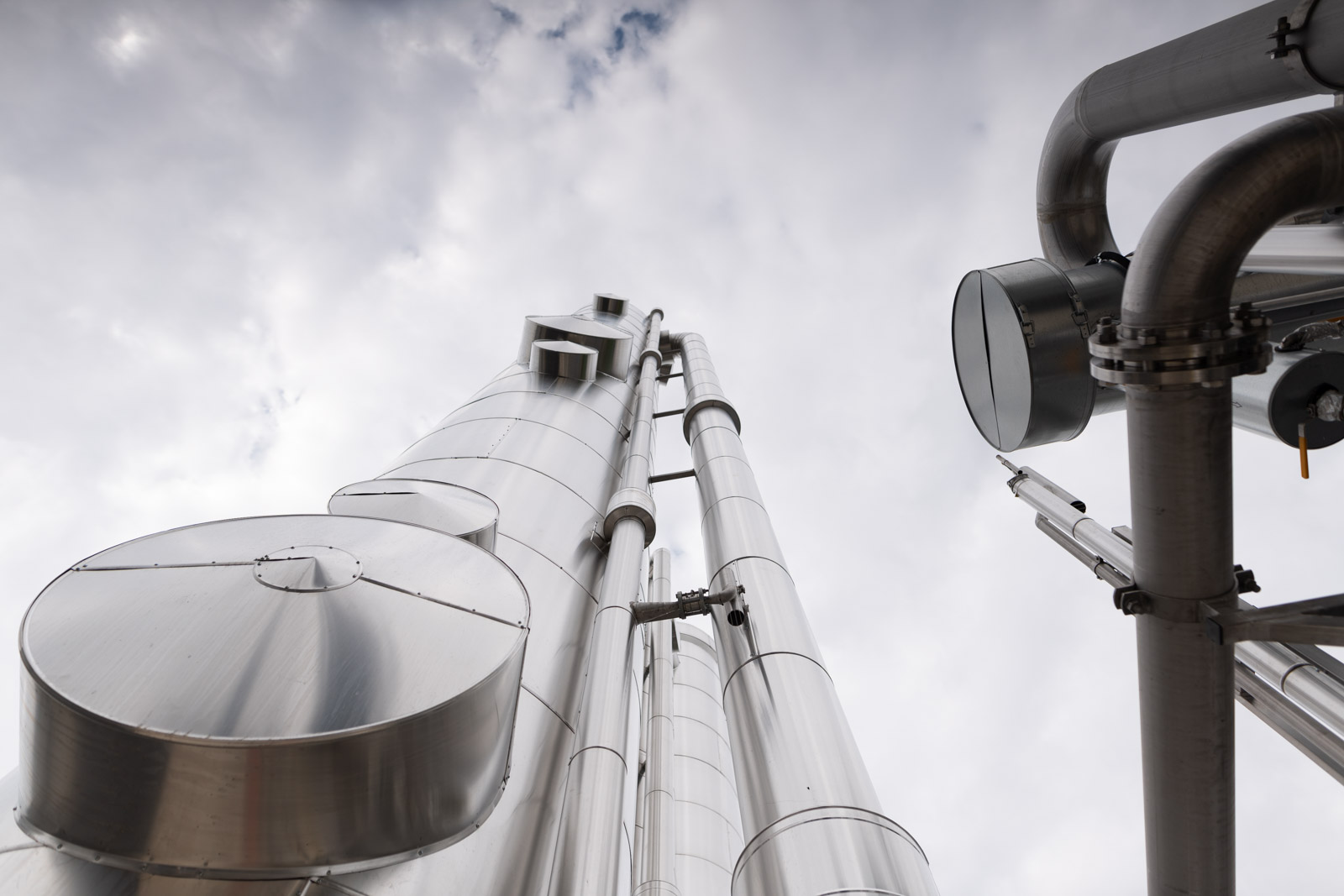
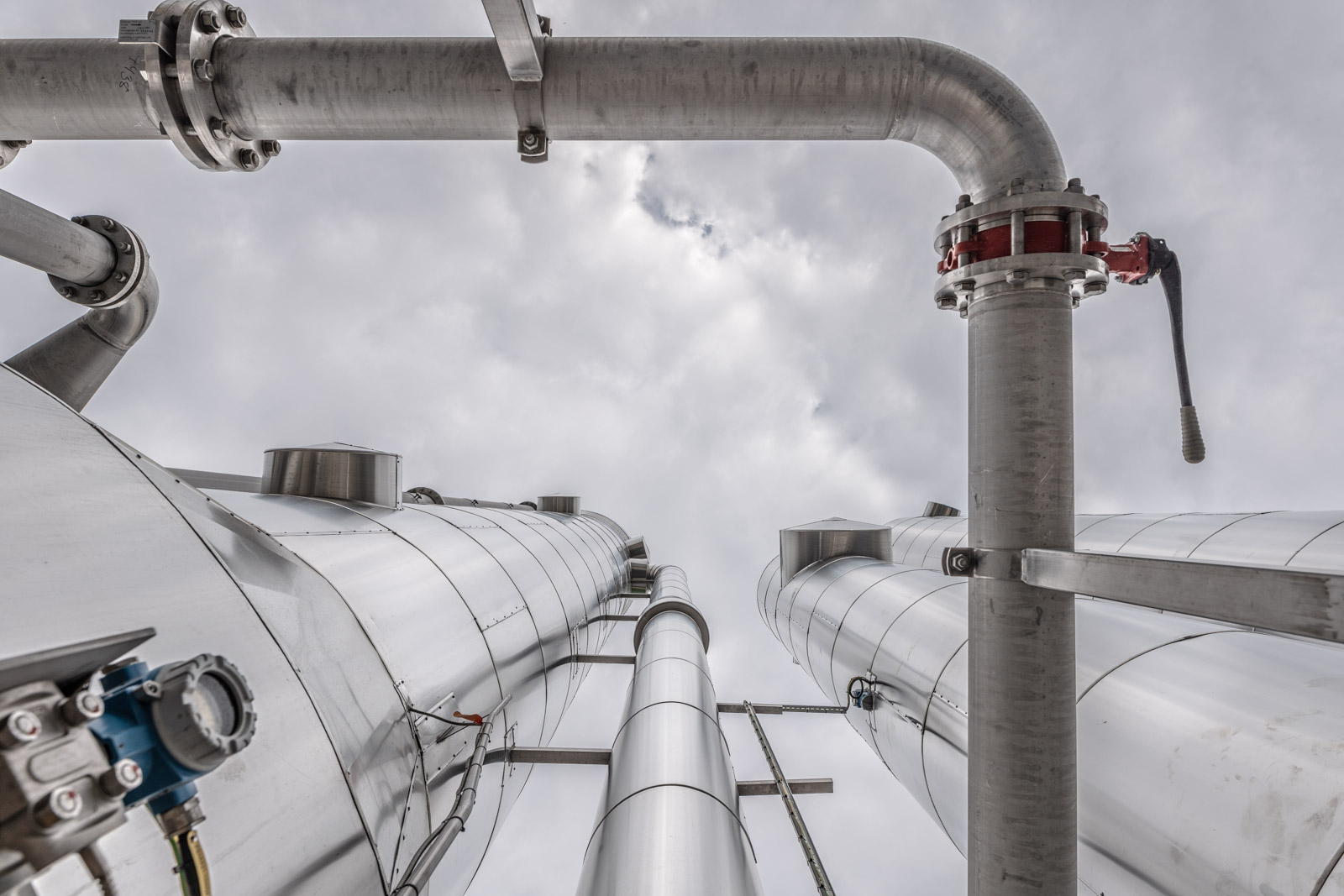
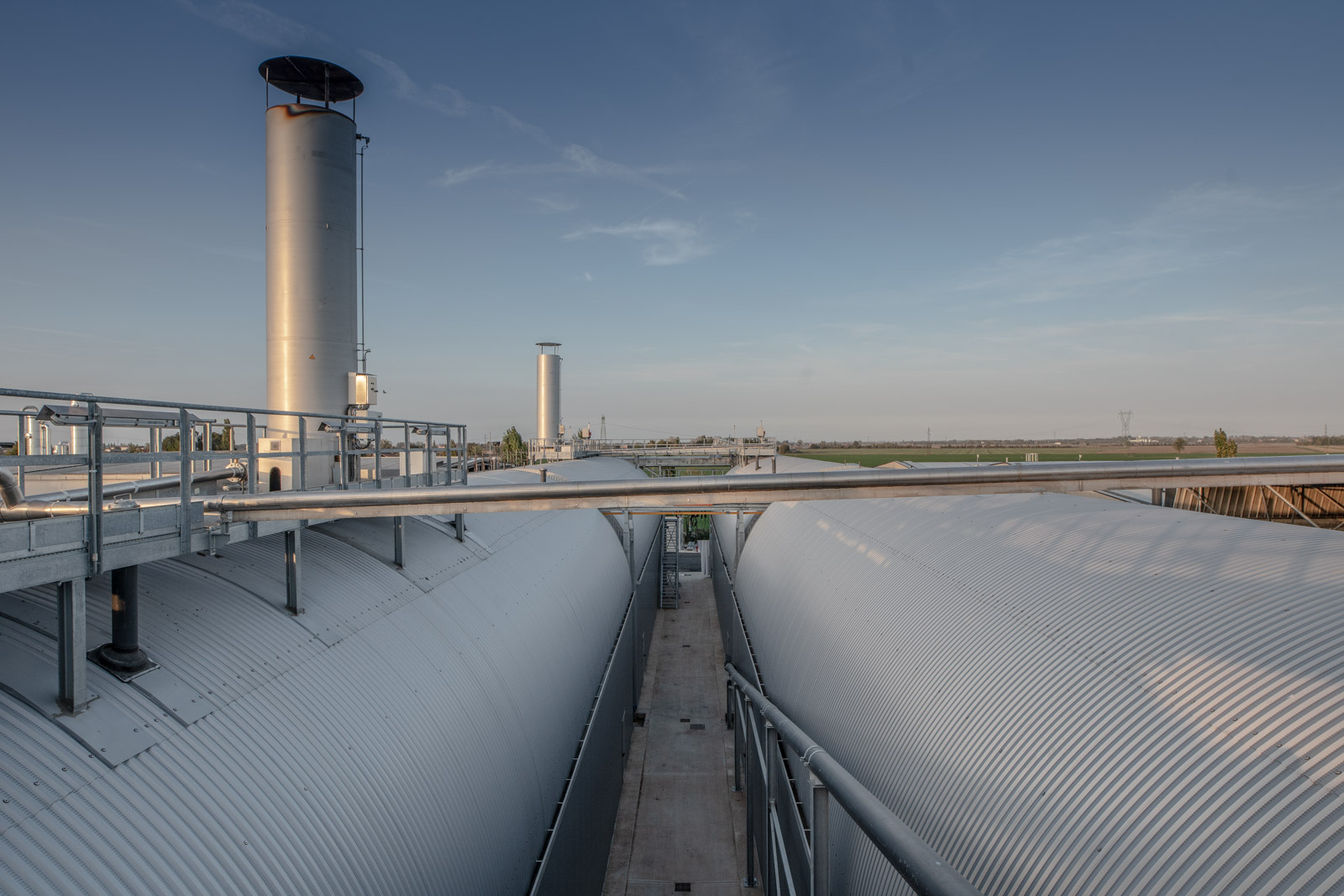
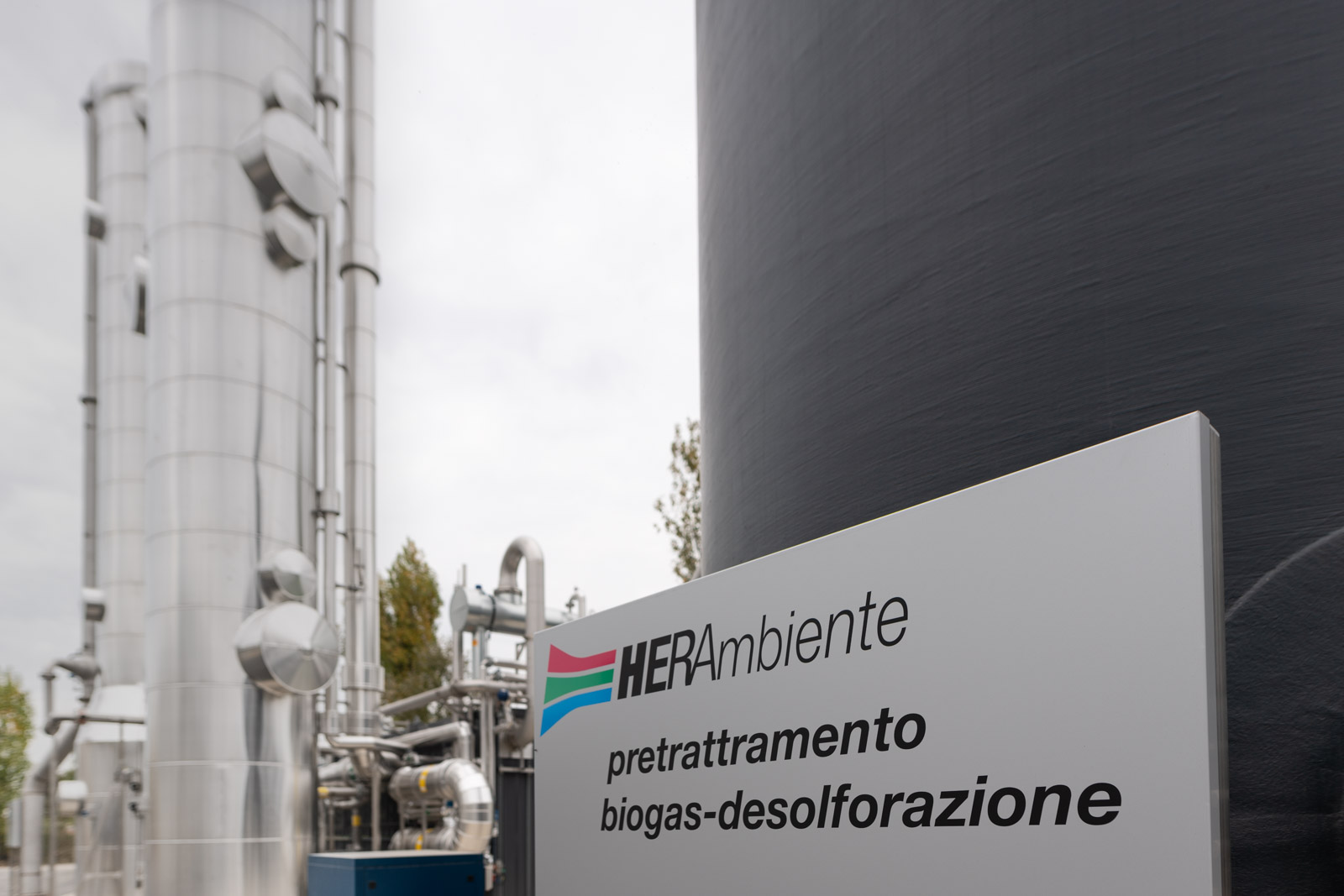
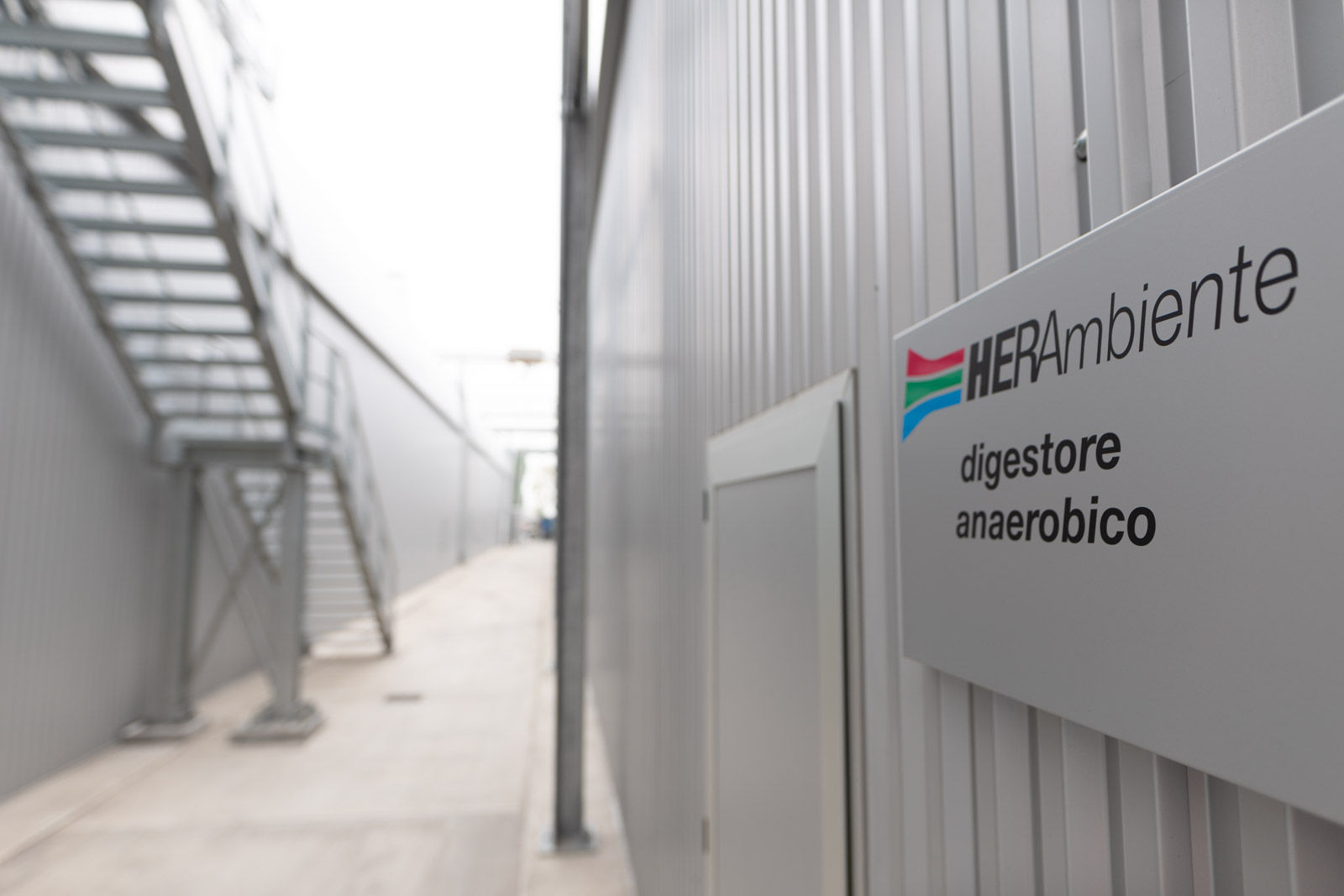
Organic waste, collected through separate waste collection, undergoes anaerobic digestion to produce biogas. This is how the process works: the waste is shredded and screened, then remains for about 21 days in four horizontal digesters, where suitable microorganisms carry out the digestion process and produce biogas (composed of methane and carbon dioxide). After this, the biogas undergoes an upgrading, or purification, phase using pressurised water: the carbon dioxide dissolves and separates from the methane. The result is biomethane, a gas with a methane content above 95%, and a completely renewable source of energy. Not only that: at the end of the digestion process, lignocellulosic material is added to the outgoing solid fraction, producing a compact mass that then undergoes composting to create high-quality compost, which can be used as potting soil or agricultural fertiliser.
Biomethane is therefore another revolution rooted in the circular economy, one that we at Hera Group are committed to advancing. We do all this with the goal of creating shared value, as Andrea Ramonda, CEO of Herambiente, emphasises: “The direction we have taken looks towards the industrial sector with an increasing focus to creating shared value and partnerships. We are aware that sustainable waste management, focused on recovery and in full compliance with regulations, is essential in today’s world and generates benefits for the entire community.”
Working together for a circular city
At Hera Group, we have joined forces with Bologna Airport and Tper to launch a circular economy project that contributes to decarbonising urban mobility and improving air quality.
What does this partnership involve? The Airport delivers its organic waste to Hera, which collects it at the Sant'Agata Bolognese plant together with similar waste produced by citizens and transforms it into biomethane that Tper purchases to feed the fuel tanks of a significant part of its bus fleet.
This is an important step forward for our Group and for two major organisations in our area, which, like us, serve hundreds of thousands of people. We share a commitment to improvement and sustainability, in line with the UN 2030 Agenda.


.jpg/dcf653e1-7e5c-ffa3-4b75-2c24b285c27a "preview_satelliti (1).jpg")
.jpg/ec5b088f-780f-ff81-0bd7-652fdd1609b8 "preview_data_management (1).jpg")


.jpg/5c532605-0938-031b-74ff-89388f7410d3 "aliplast (1).jpg")



PSBO: The gentle giant that protects the sea of Rimini
Thanks to the Optimised Seawater Protection Plan”, Rimini's beaches will be 100% safe to swim. Discover the most important milestones and works of the project to protect the sea
Keeping the sea clean and ensuring it is safe for swimming is a complex task, but not an impossible one. This is demonstrated by the Rimini Optimised Seawater Protection Plan (PSBO), the largest water sanitation project currently underway in Italy, which we have developed in collaboration with the town’s municipality, with Romagna Acque and Amir. A construction site — or rather, 14 — that is quite literally transforming the face of a town that has been the backdrop to the holidays of millions of Italian and international tourists for over 60 years. With an investment of €270 million, the project will ensure the complete bathing safety of the Rimini coastline, eliminating wastewater from all 11 sea discharges. Restoring clean, healthy and crystal-clear sea to Rimini and the surrounding area is a vital step in enhancing and creating new opportunities for the whole community. Because the sea is not just a key driver of the economy — it is the heart of our identity.
Piazzale Kennedy, where it all began

It was beneath Piazzale Kennedy that the great works to build the gentle giant that protects the sea started. In case of a storm, the wastewater treatment plant is unable to handle such a large volume of both clear and dark waters. To prevent damage to the plant and avoid flooding, these waters are discharged into the sea without treatment. This results in a bathing ban, with an impact on the environment, health and the local economy.
The PSBO prevents this thanks to a system of tanks as large as 20 Olympic swimming pools, located 40 metres below the surface. The first tank, with a capacity of 14,000 cubic metres, collects the initial rainfall, while the second, with a capacity of 25,000 cubic metres, is dedicated to regulating the flow of clean water into the sea. Thanks to a forced ventilation system, which directs the air drawn from the tanks to a treatment system using activated carbon technology, the problem of foul odours can also be permanently solved. Concealing this complex facility with its modern architecture, seamlessly integrated into the urban landscape, is the Piazzale Kennedy viewpoint, which has been open to the public since 2019.
The Santa Giustina treatment plant, the heart of the PSBO

Once the water has been collected in the tanks, a true journey begins beneath Piazzale Kennedy, perhaps the most important of all the activities connected to the PSBO. The tank system is linked to a pumping station with a discharge capacity of 18,000 litres per second: the Santa Giustina treatment plant. This is the heart of Rimini’s gentle giant, which transforms the water, making it, as a famous song says, “clear and blue”. Enhanced with a series of upgrades that have doubled its capacity, the plant can now treat all wastewater, both domestic and industrial, from the Rimini area and the Republic of San Marino, serving 560,000 residents during the summer season. After separating the water from sand and oils and eliminating the sewage sludge using denitrifying bacteria (organisms that feed on the substances contained in the sludge), the treatment plant makes the wastewater clear and clean through microfiltrating membranes, a cutting-edge technology that captures microscopic particles such as viruses and bacteria.
The PSBO's most important works
Let’s revisit the history of this ambitious project. The doubling of the Santa Giustina treatment plant, which began in 2013 and was completed in 2015, marked the true kick-off of the PSBO. Its operation, which is the heart of the entire system, was closely linked to the conversion work at the Marecchiese treatment plant, which serves to regulate the flows directed to Santa Giustina. 2014 marked the beginning of another important milestone: the start of the remodelling of the sewerage system in Rimini, which initially involved the redevelopment of Rimini Isola, and later the separation of the sewerage systems of Rimini Nord. The latter, which is scheduled to be completed in 2026, is a crucial step in the entire project, directly involving residents in the area, who are asked to connect their discharge properly to the new sewerage pipes for wastewater.
At the same time, the North Dorsal project was completed in 2015, connecting the Santa Giustina treatment plant with the Bellaria plant. In 2018, the excavation work (microtunneling) for the South Dorsal was also completed: thanks to a boring machine, it was possible to lay pipes beneath natural elevations or major roads in urban areas without the need for large-scale excavation. Other works, such as the Ausa sewer collector, the Mavone overflow channel and the sewer lift in via Santa Chiara, have significantly reduced the risk of flooding in many areas of the town where this problem is recurring. Additionally, with the project to cover the Ausa Canal, which involves its artificial capping, we have optimised the water flow in the final stretch from the seafront to the sea in case of overflow discharge, creating an attractive pathway between the seafront and Piazzale Kennedy that enhances the nearby beaches.
Two new viewpoints as the PSBO moves south
Starting from 2025, the PSBO in Rimini will enter a new phase with the start of key works and projects. Work will begin to build two retention tanks for rainwater and initial rainfall, which are vital for managing stormwater and preventing flooding. These tanks will be located at Colonnella 2 (Piazzale Arturo Toscanini) and at the Rodella pit in Rivazzurra (Piazzale Artemisia Gentileschi). But the developments don’t end there. Above the tanks, in a fully redeveloped area, two beautiful viewpoints will be built as part of the Parco del Mare. These will offer stunning views of the sea and will integrate seamlessly into the urban environment, following the design lines of the Parco del Mare project.
The results we have achieved
To date, construction works are 90% complete and they have already freed 8,000 metres of coastline from bathing restrictions, a figure that will rise to 12,000 metres upon completion. Through sifting and storage treatments, over 20,000 cubic metres of sand have also been recovered for beach replenishment. This operation, which could be described as a true “nourishment” of the beaches through the addition of new sand, helps counteract coastal erosion, following the principles of the circular economy. These achievements, along with all the other planned interventions, have led the PSBO to be cited in the United Nations report “SDG Industry Matrix: Energy, Natural Resources and Chemicals” (2017) as a best practice related to the sustainable development goals of the 2030 UN Agenda.