

A revolution rooted in the circular economy: thanks to separate waste collection, organic waste is fed into an anaerobic digestion process to produce biogas.
Biomethane: a clean resource of biological origin
So, what makes this source of methane “bio”? Quite simply, it’s how it is produced: not by drilling into deep underground deposits, but by fermenting organic waste in dedicated facilities. Biomethane can be produced continuously, it is inexhaustible, and production can be increased simply by building more plants. This makes it one of the clearest examples of a circular economy.
In Spilamberto, a biodigester converted into a biomethane plant
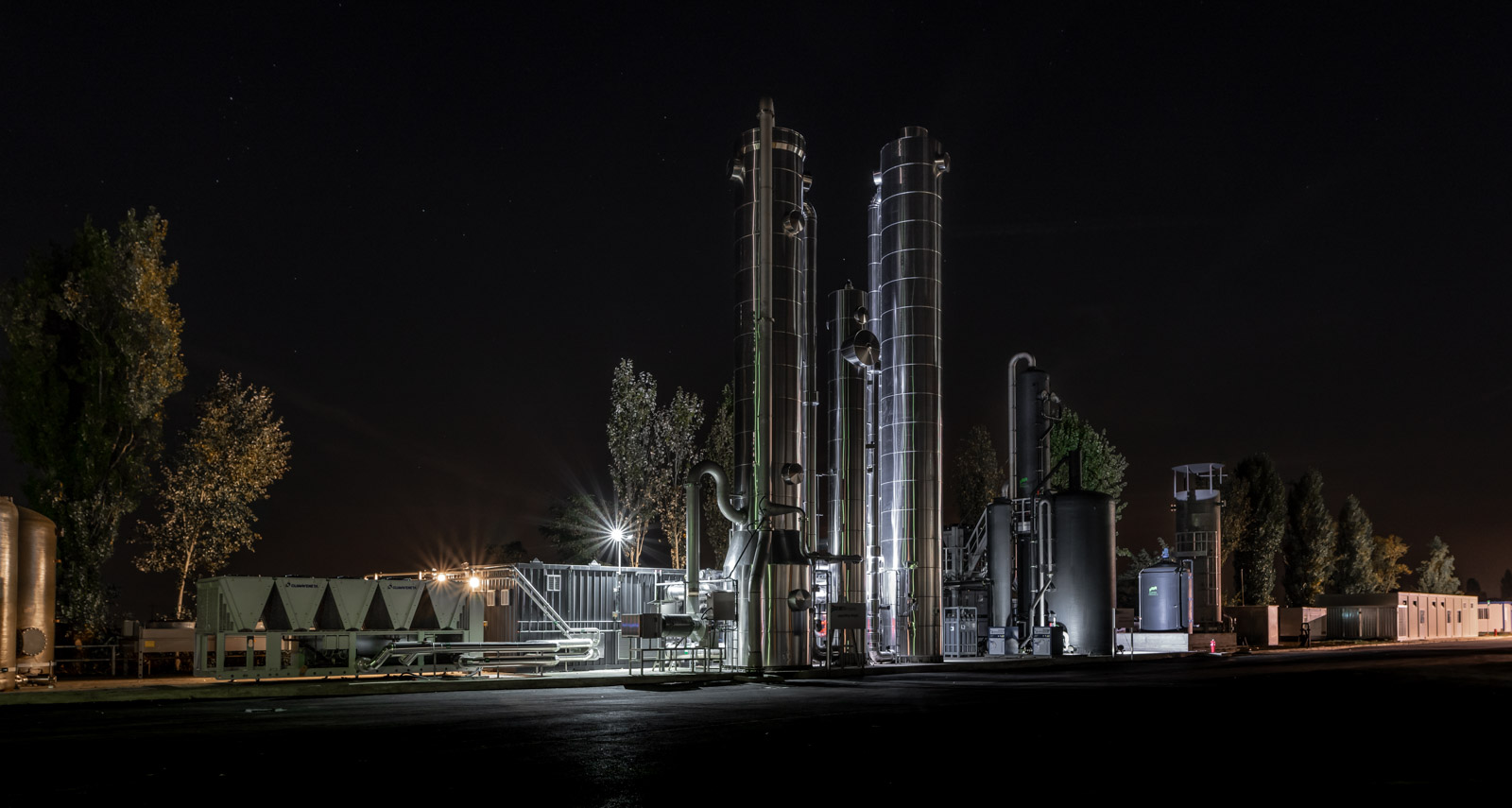
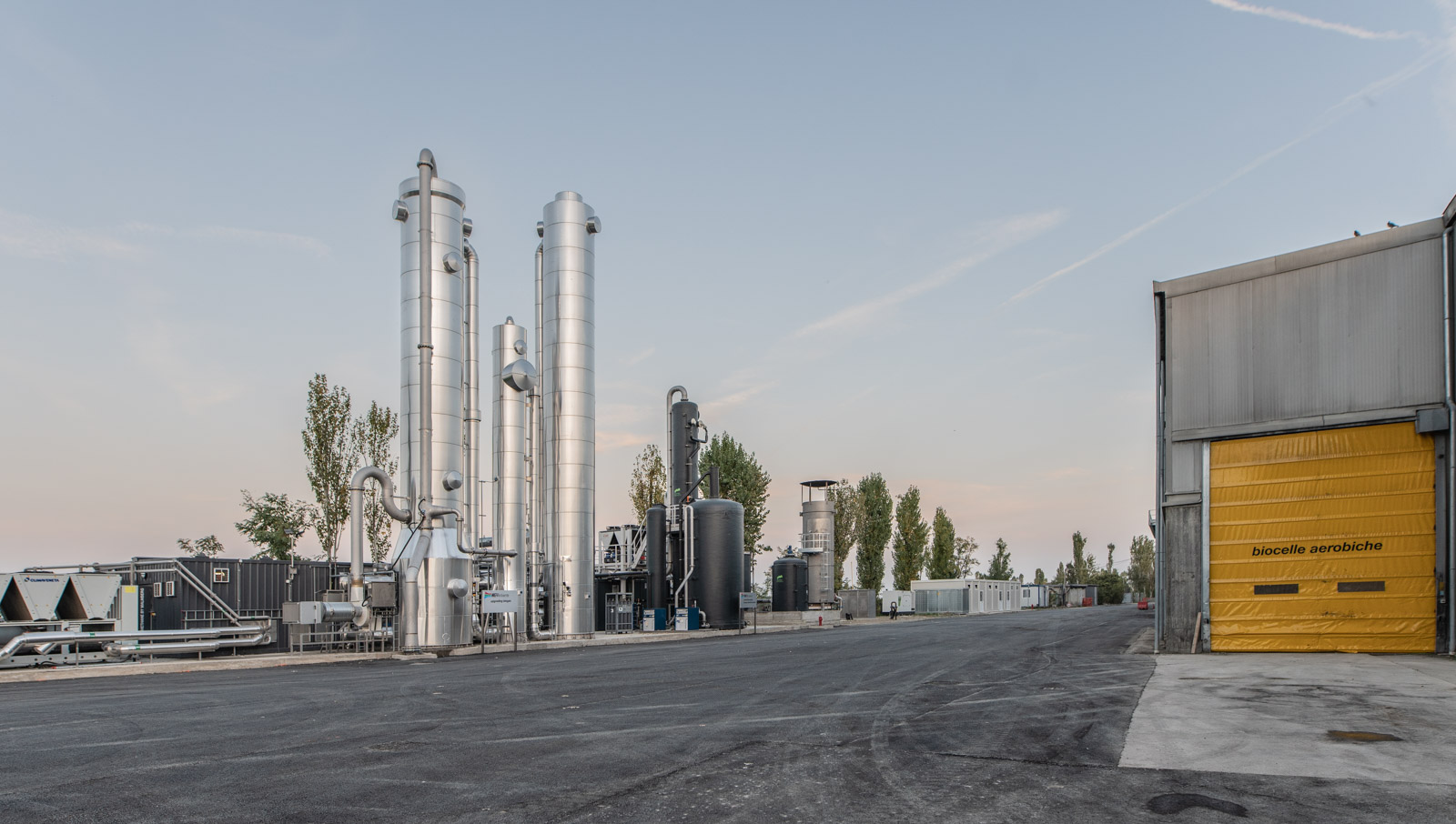
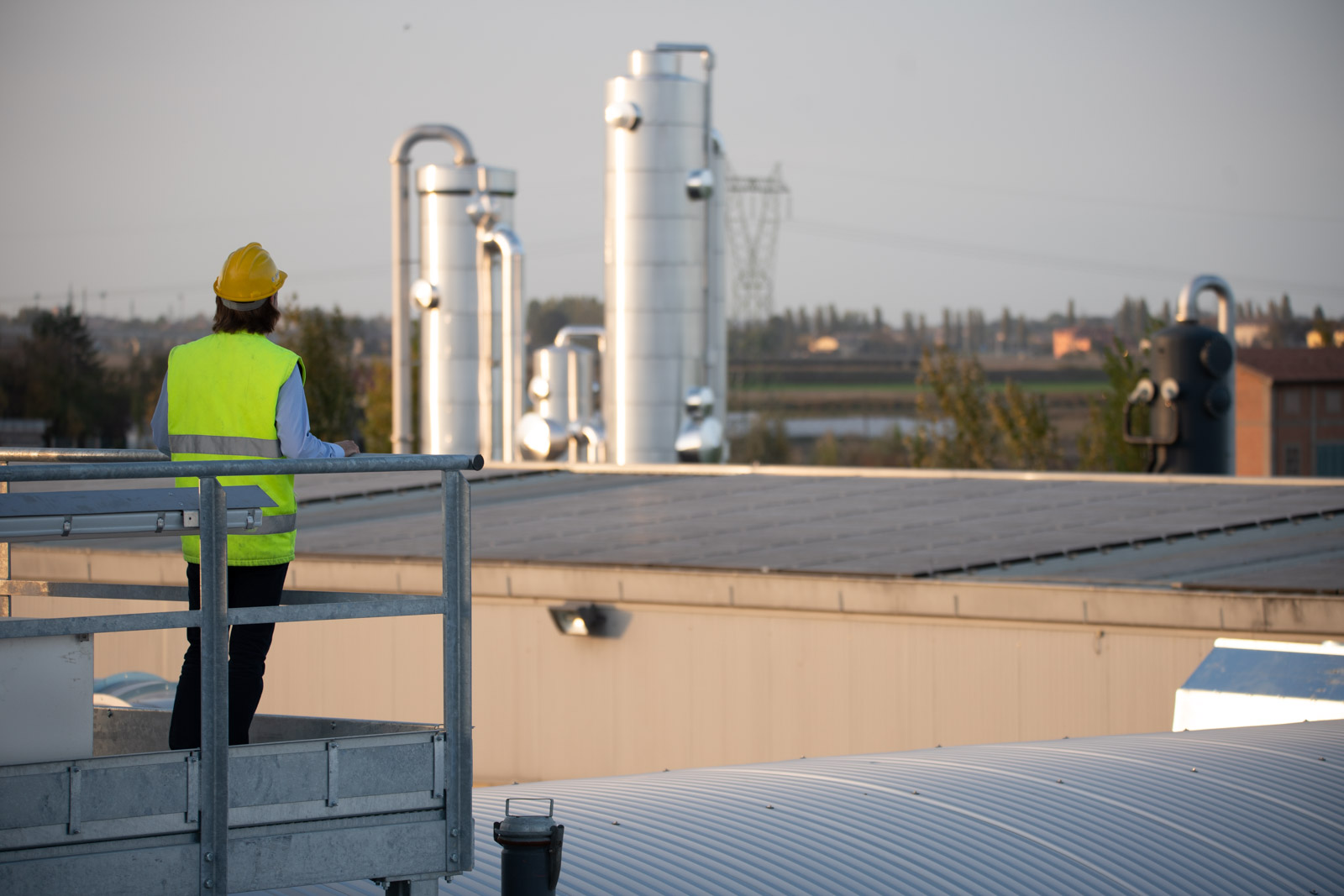
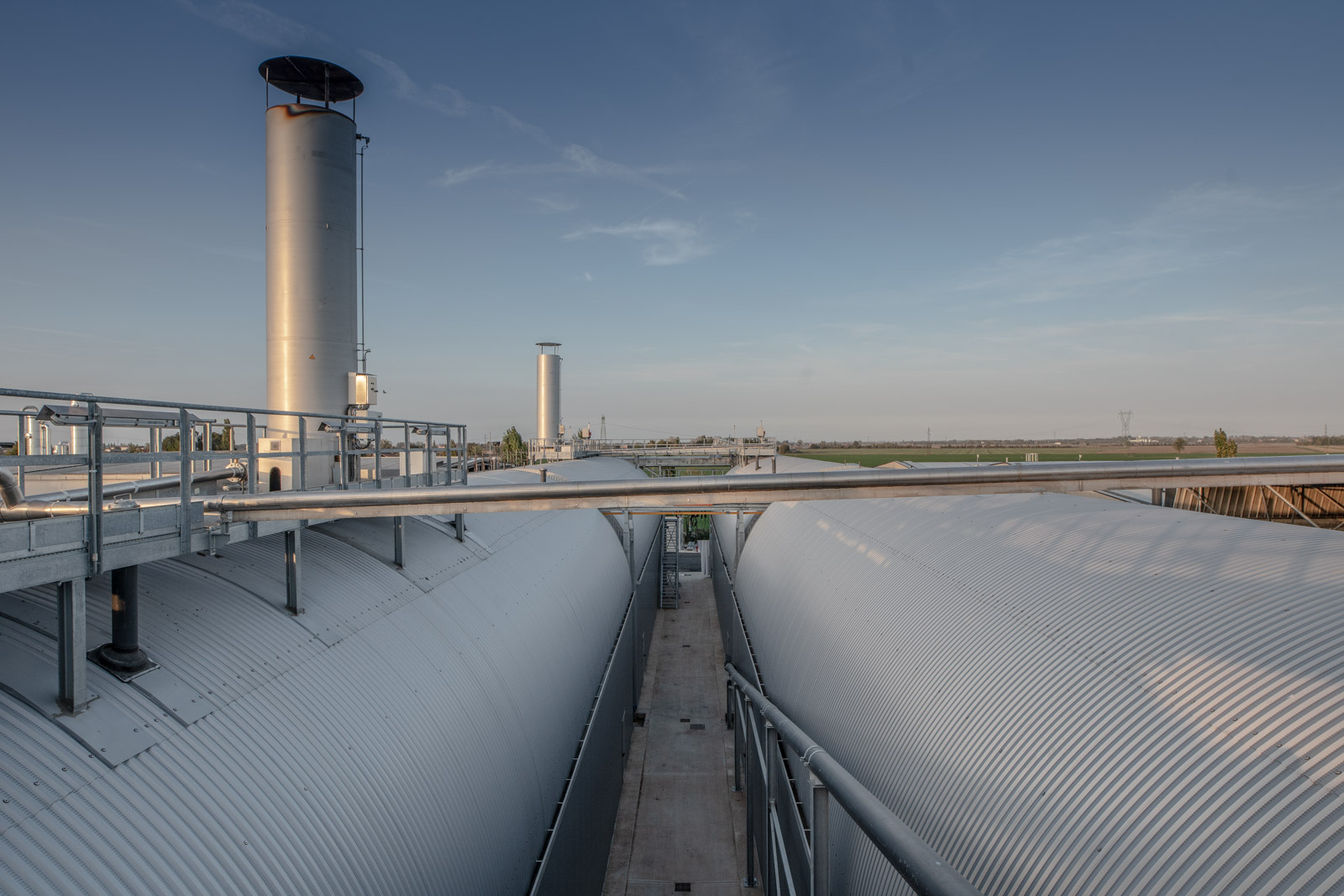
An innovative plant for the production of biomethane is in operation in Spilamberto, in the province of Modena. It was developed by the NewCo Biorg, a joint venture between the Hera Group and Inalca (Cremonini Group), through a total investment of around €28 million and the use of the best available technologies.
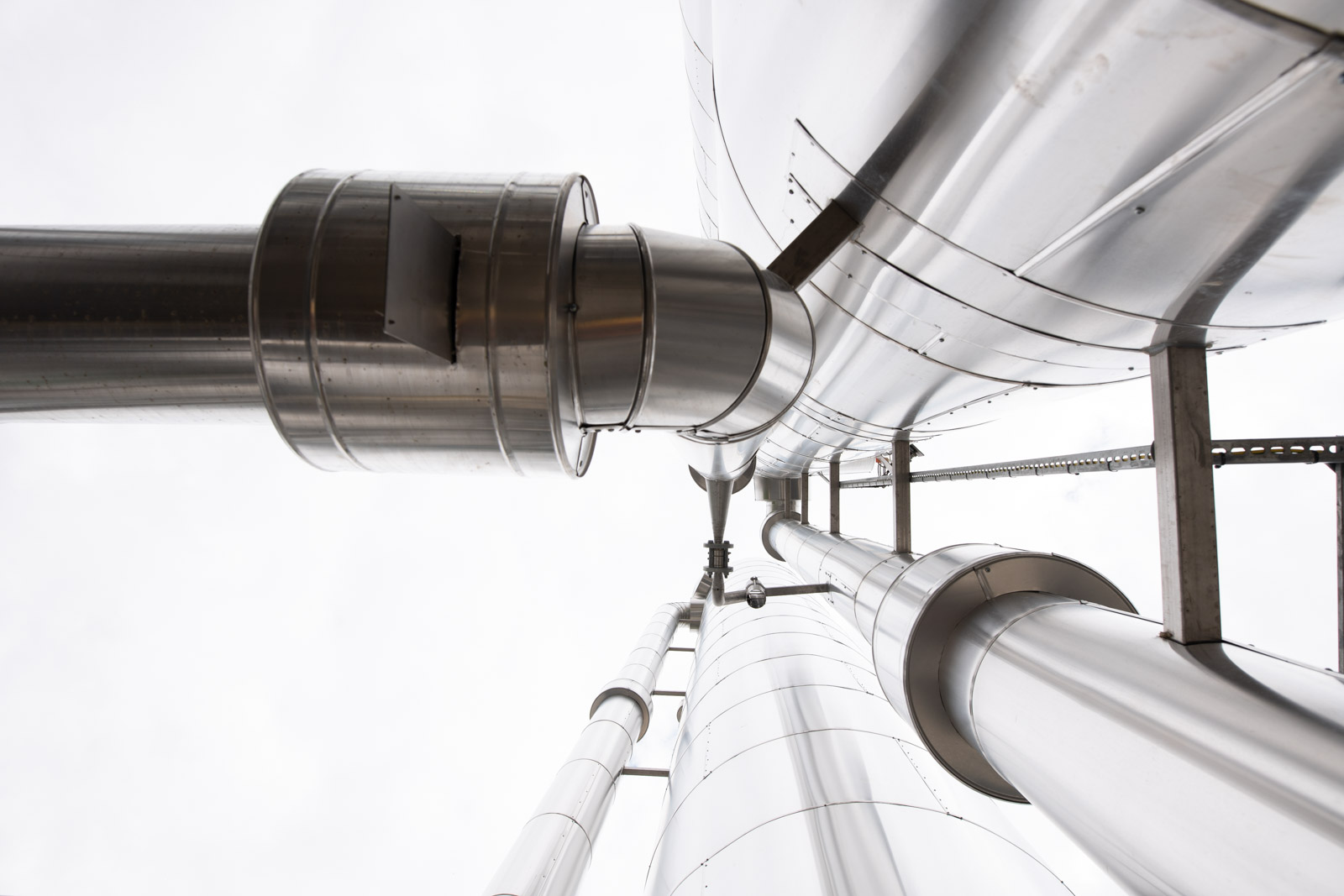
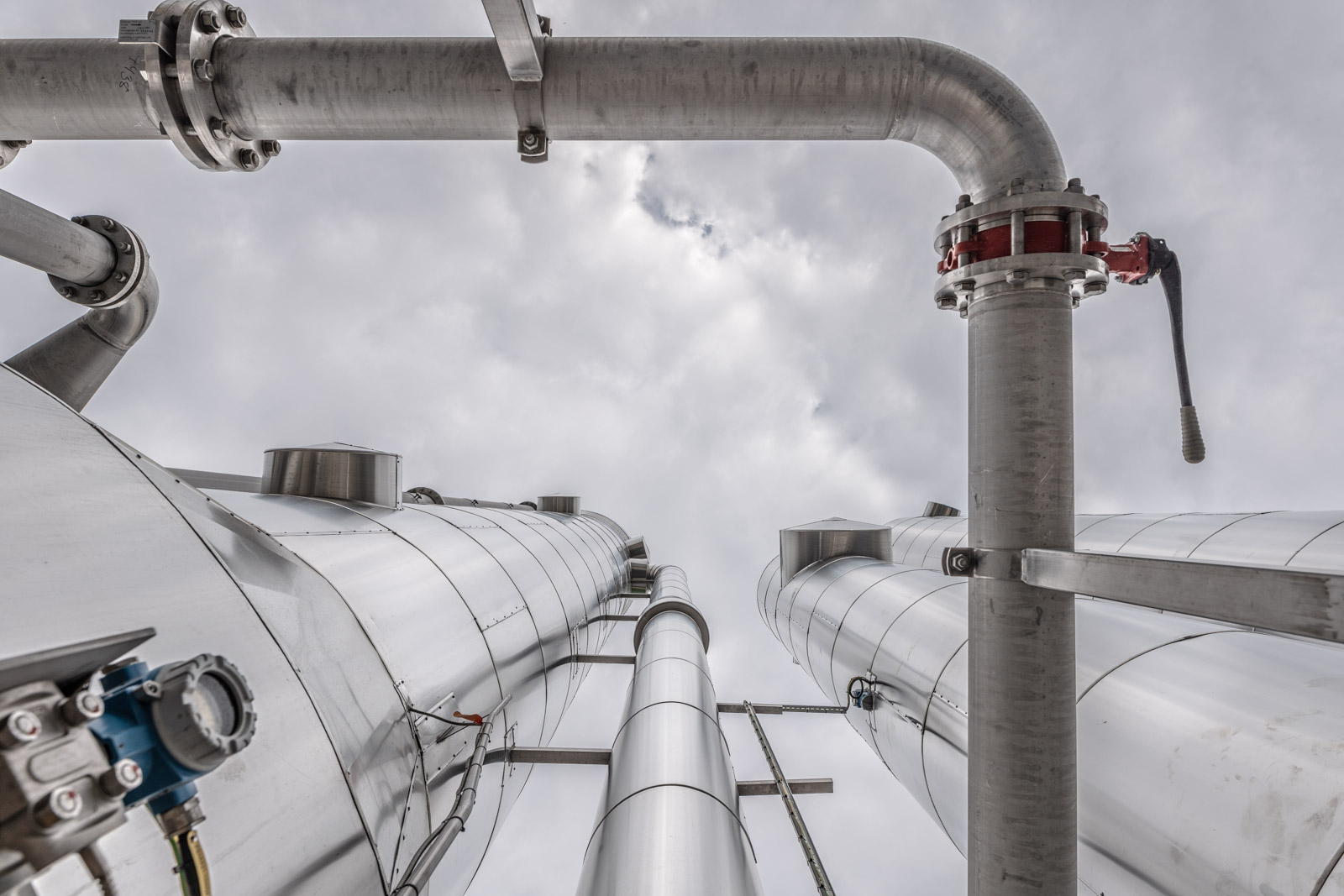
Starting from separately collected organic waste and agri-food effluents, the plant – the result of converting an old biodigester – produces, at full capacity, 3.7 million cubic metres of biomethane per year, a 100% renewable fuel intended for transport, and around 18,000 tonnes of compost.
A cutting-edge plant for the energy transition and the circular economy
The 100% renewable natural gas is produced through anaerobic digestion of organic waste from separate collection carried out mainly in Modena and the province, along with waste from local agri-food processing and meat production by Inalca. Once refined, it becomes biomethane and can be fed into the gas network.
Significant environmental benefits: around 7,000 tonnes of CO₂ avoided
Thanks to the injection of biomethane into the network and its use in transport, significant environmental benefits are expected. Every year, around 3,000 tonnes of oil equivalent (TOE) in fossil fuels are saved, and approximately 7,000 tonnes of CO₂ emissions are avoided. Absorbing such an amount of CO₂ would require, on average, 280,000 trees.
What happens in our plant in Sant'Agata
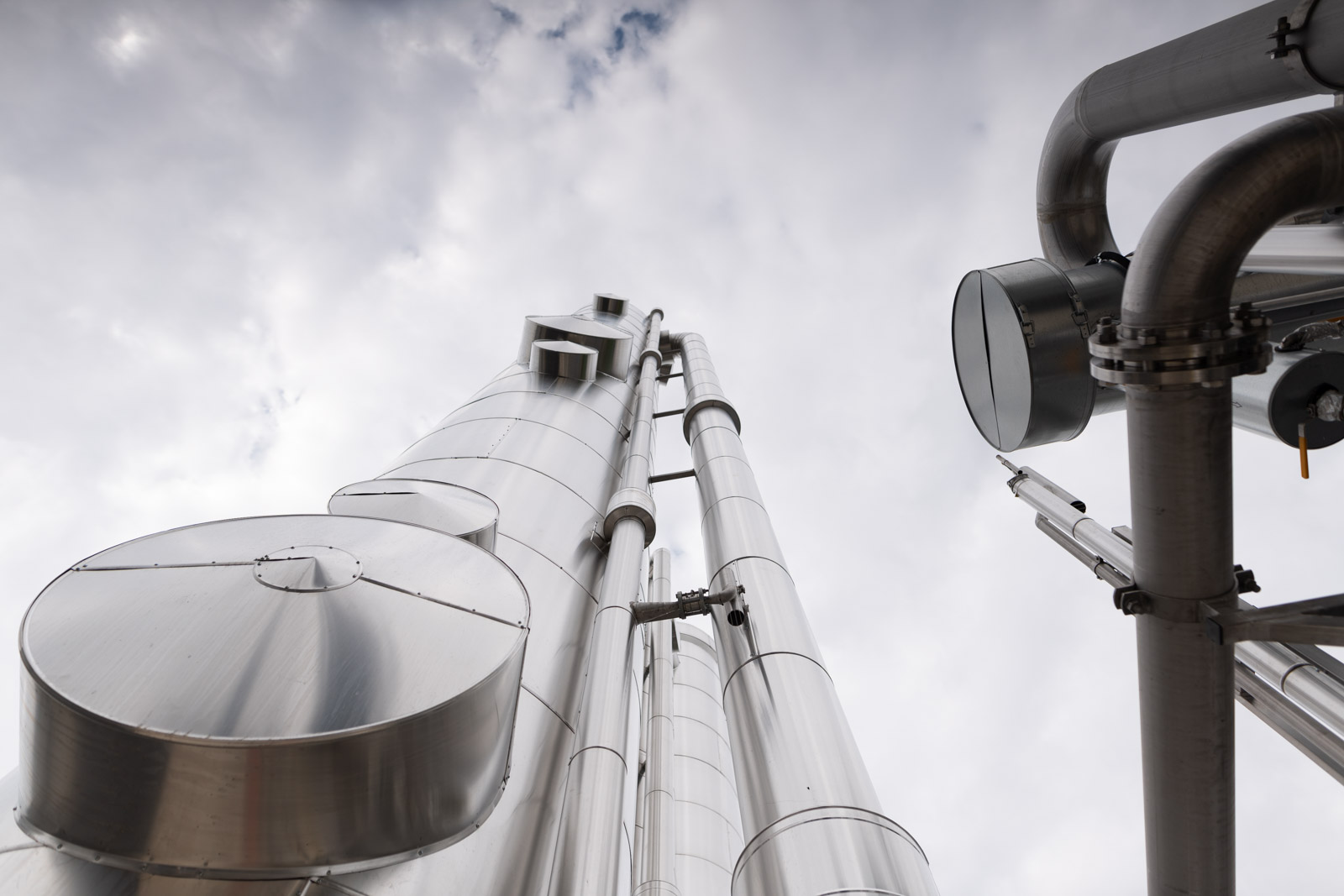
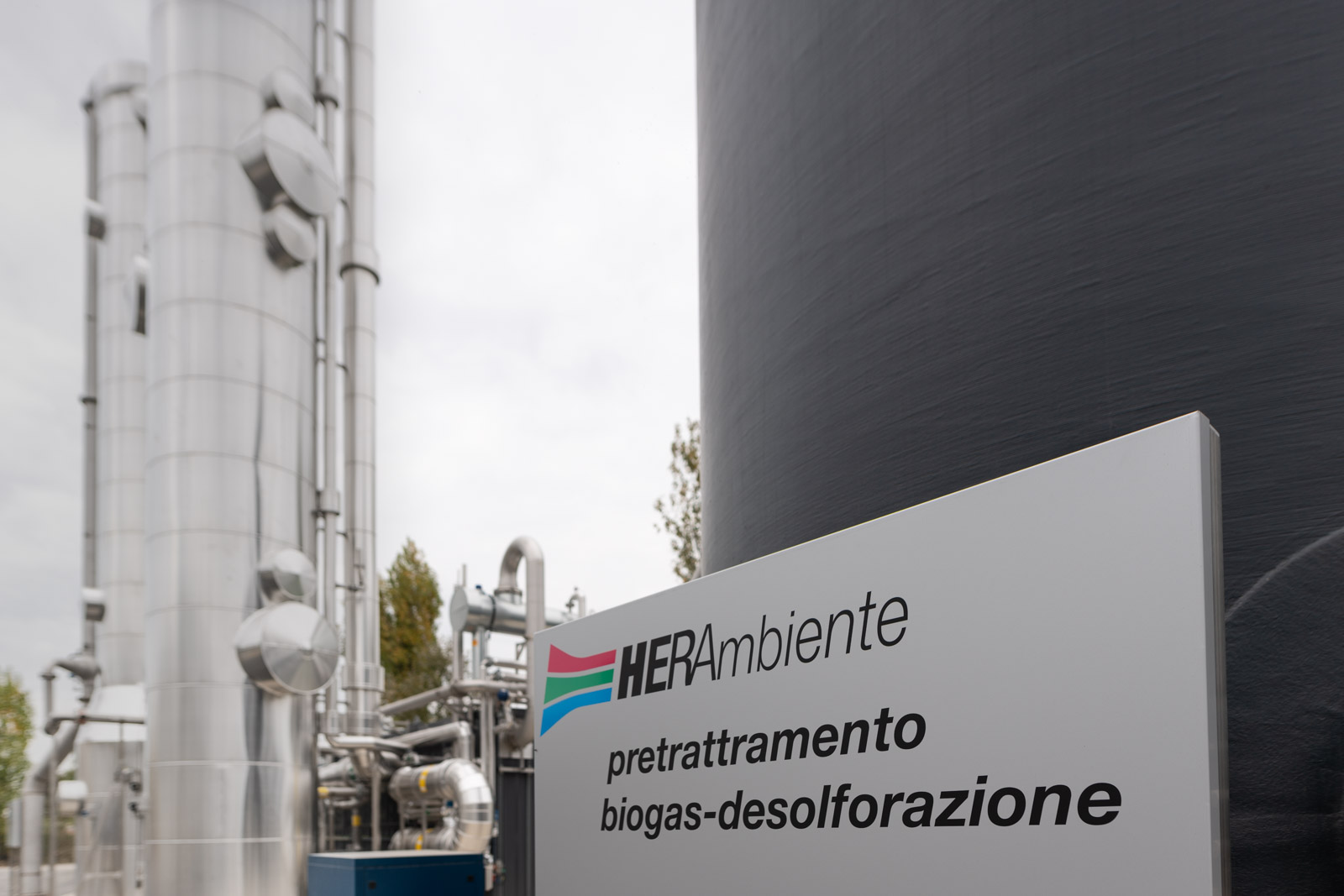
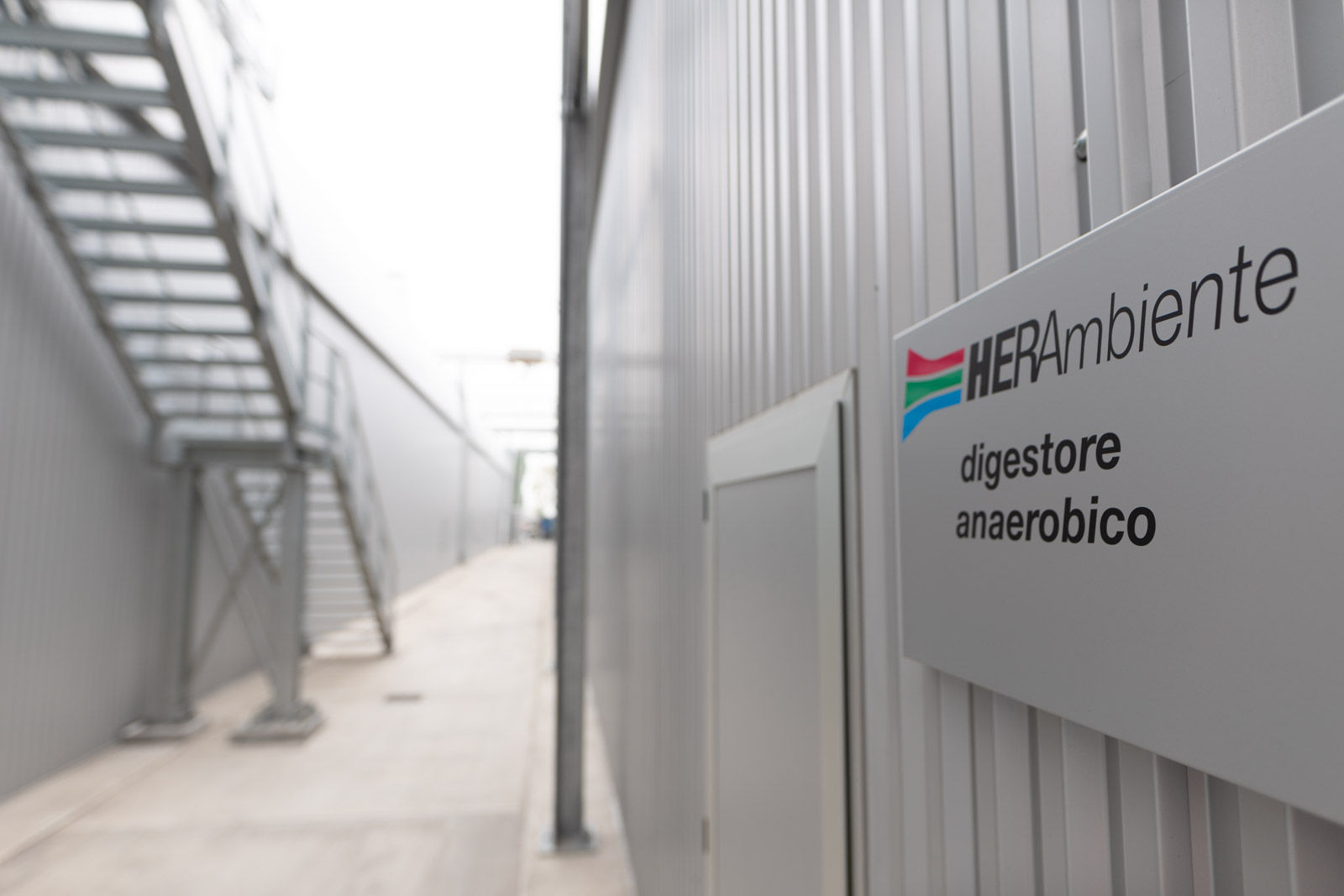
Organic waste, collected through separate waste collection, undergoes anaerobic digestion to produce biogas. This is how the process works: the waste is shredded and screened, then remains for about 21 days in four horizontal digesters, where suitable microorganisms carry out the digestion process and produce biogas (composed of methane and carbon dioxide). After this, the biogas undergoes an upgrading, or purification, phase using pressurised water: the carbon dioxide dissolves and separates from the methane. The result is biomethane, a gas with a methane content above 95%, and a completely renewable source of energy. Not only that: at the end of the digestion process, lignocellulosic material is added to the outgoing solid fraction, producing a compact mass that then undergoes composting to create high-quality compost, which can be used as potting soil or agricultural fertiliser.
Biomethane is therefore another revolution rooted in the circular economy, one that we at Hera Group are committed to advancing. We do all this with the goal of creating shared value, as Andrea Ramonda, CEO of Herambiente, emphasises: “The direction we have taken looks towards the industrial sector with an increasing focus to creating shared value and partnerships. We are aware that sustainable waste management, focused on recovery and in full compliance with regulations, is essential in today’s world and generates benefits for the entire community.”
Working together for a circular city
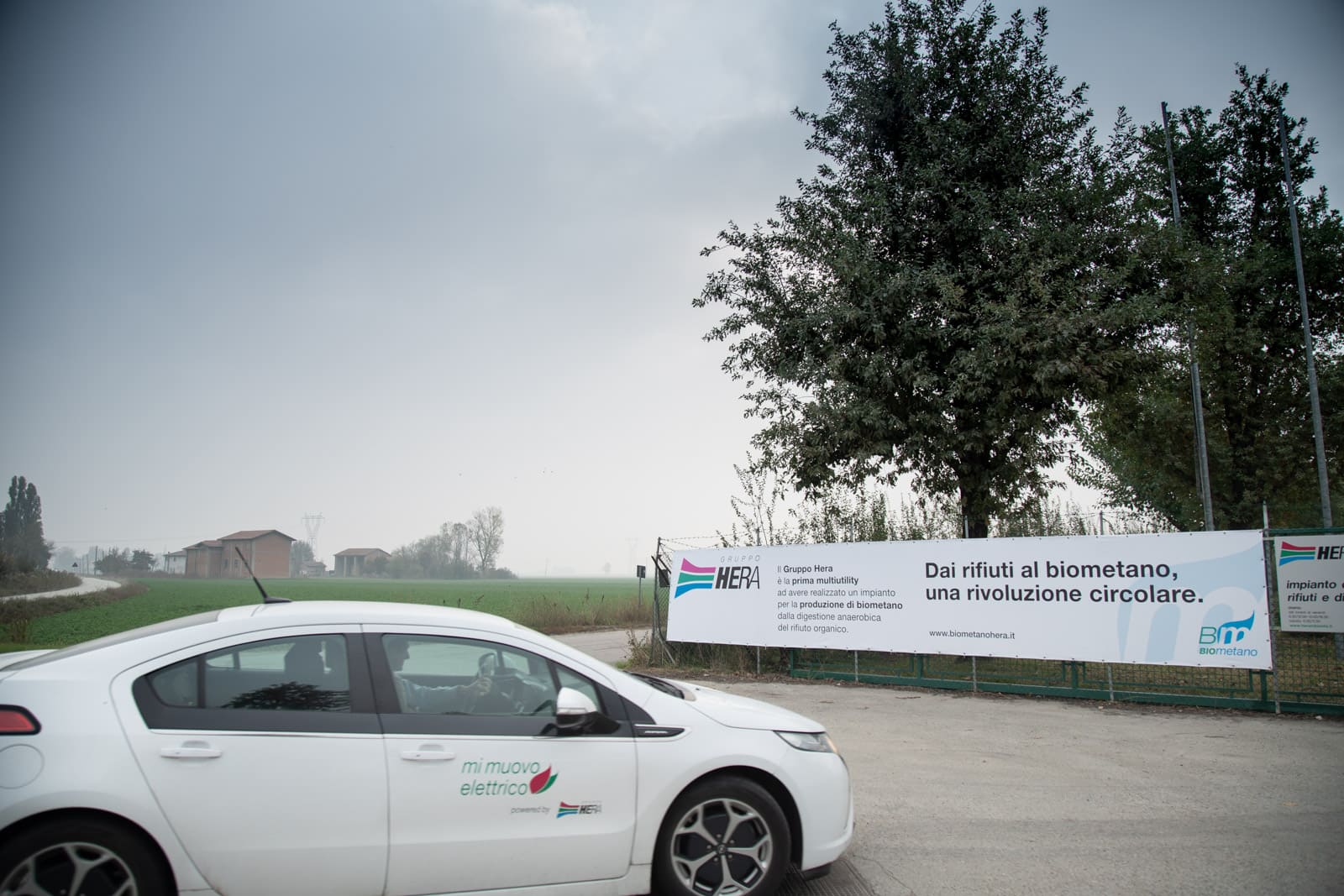
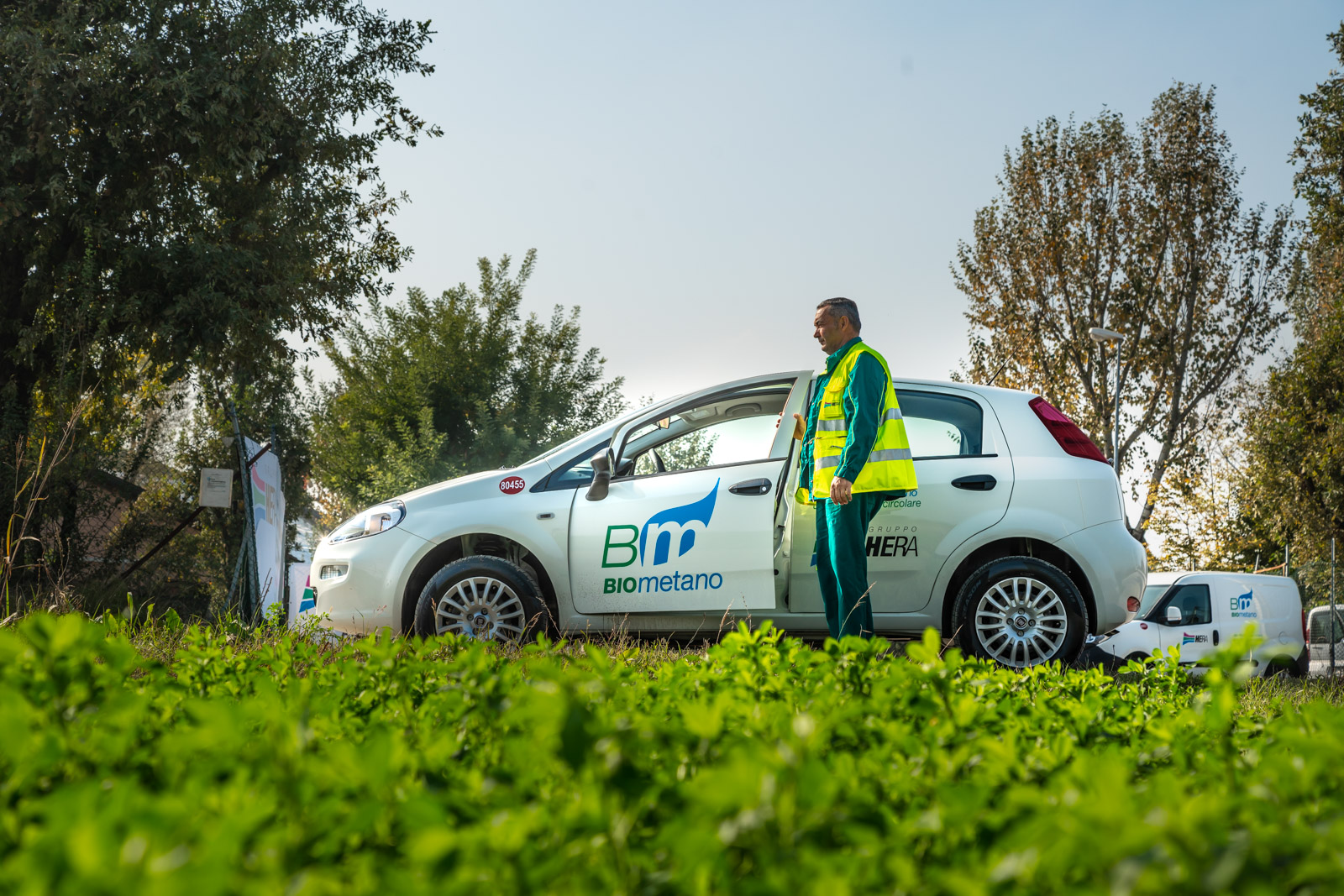
At Hera Group, we have joined forces with Bologna Airport and Tper to launch a circular economy project that contributes to decarbonising urban mobility and improving air quality.
What does this partnership involve? The Airport delivers its organic waste to Hera, which collects it at the Sant'Agata Bolognese plant together with similar waste produced by citizens and transforms it into biomethane that Tper purchases to feed the fuel tanks of a significant part of its bus fleet.
This is an important step forward for our Group and for two major organisations in our area, which, like us, serve hundreds of thousands of people. We share a commitment to improvement and sustainability, in line with the UN 2030 Agenda.
NexMeter: the smart gas meter offering innovation, safety and sustainability
The NexMeter Green project aims to take a further step towards the future by offering a product that is not only safe and innovative but also sustainable.
NexMeter is a green gas meter, with more than 68% of its internal and external plastic components made from recycled and recyclable materials.
The plastic parts in the packaging are also made from 100% recycled materials, such as caps, which are more likely to be dispersed into the environment.
Another feature that makes the meter even greener is the digitalised user manual, which can be accessed via a QR code.

Nexmeter Green was developed in collaboration between InRete, Aliplast and the Pietro Fiorentini company. Created in 2019, NexMeter was the Hera Group’s first 4.0 meter, designed to be increasingly mindful of safety and consumption issues.
Its name derives from the union of the words “Next” (which means not only “near”, but also “future”) and “Meter”. The smart meter is the result of the Hera Group’s know-how in the management of gas distribution and their continuous investments in innovation, research and development.
The Hera Group selected leading partners at national and international level: Panasonic, a Japanese multinational world leader in the manufacture of electronic products and components, and Pietro Fiorentini, a leading Italian company offering products and services for the entire natural gas supply chain.

NexMeter is more than just a meter: it is a “mini computer” equipped with advanced technology, based on algorithms, sensors and ultrasound to offer users absolute precision and greater reliability. Using a state-of-the-art seismic mechanism, it is in fact able to intercept any earthquake shock in real time and suspend the gas supply activity, guaranteeing a qualitatively safer service in terms of preventing and reducing the risk of accidents.
These aspects bring certain benefits both for users, who are increasingly aware of their consumption, and for the distribution companies of the Hera Group, which thanks to NexMeter is able to manage the entire gas distribution network in a more advanced way. In addition to sending periodic reports regarding consumption figures, in the event of emergency, the new meter secures the system and immediately sends a report to the Group's Central Remote Control which monitors networks and systems throughout the area served by the multiutility in real time. If the remote control has an address available to the user, it in turn sends them an alert signal that appears on the meter display.
NexMeter is also the environmentally friendly meter: in fact, by being able to detect both immediate and large gas leaks and micro-leaks, it contributes to reducing polluting emissions, with positive effects also on boiler efficiency. In addition to being compatible with all types of networks and systems, NexMeter is also ready for use with future ‘green’ gases.
