
Menu Display


Alert Web

HeraAssetPublisherFilterComuneSelector

Innovation takes flight and offers a variety of perspectives

Testata Focus

Testata Focus

Category Facet

category

Custom Facet

ddmStructureKey

Search Results

8 Results for

Asset Publisher

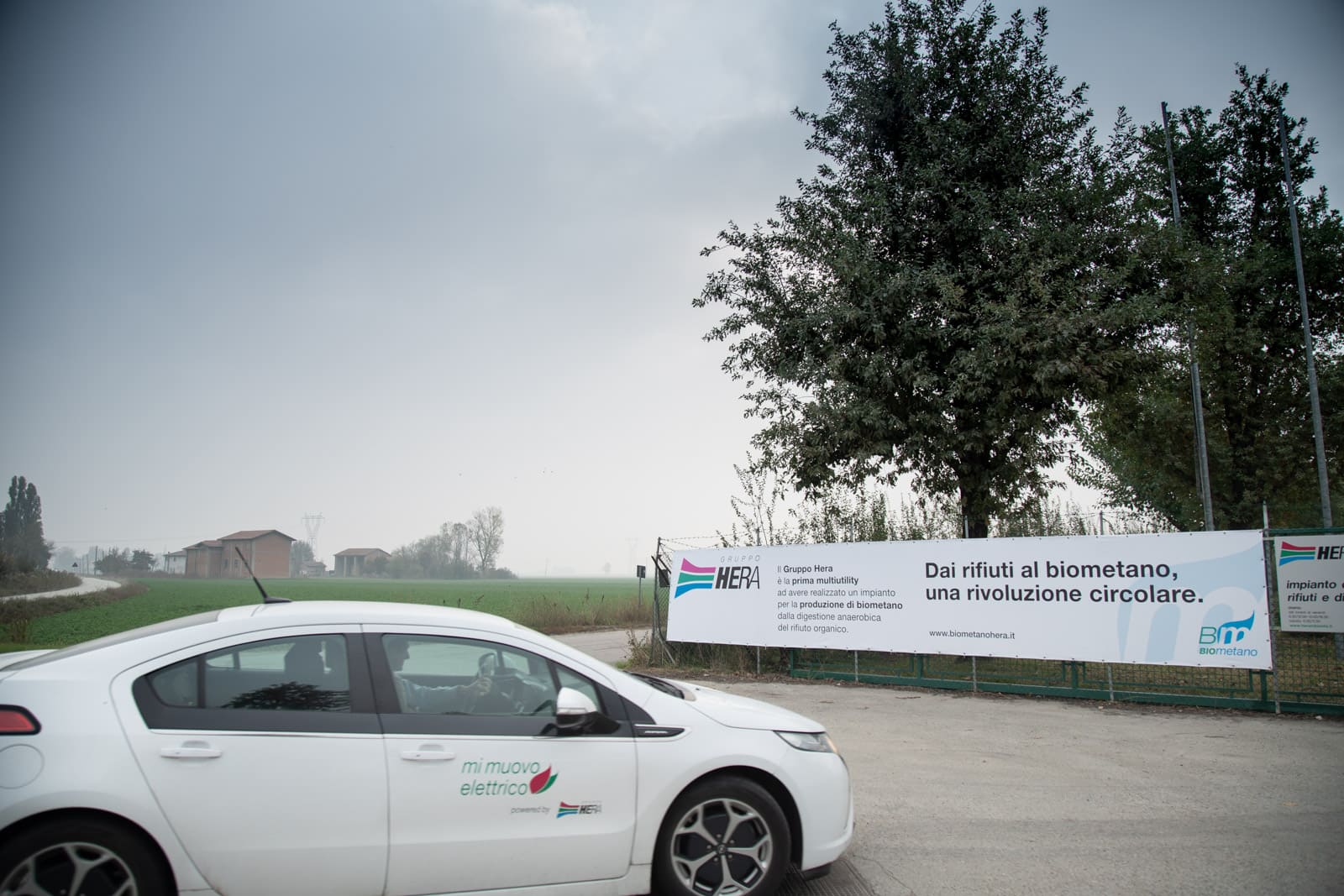
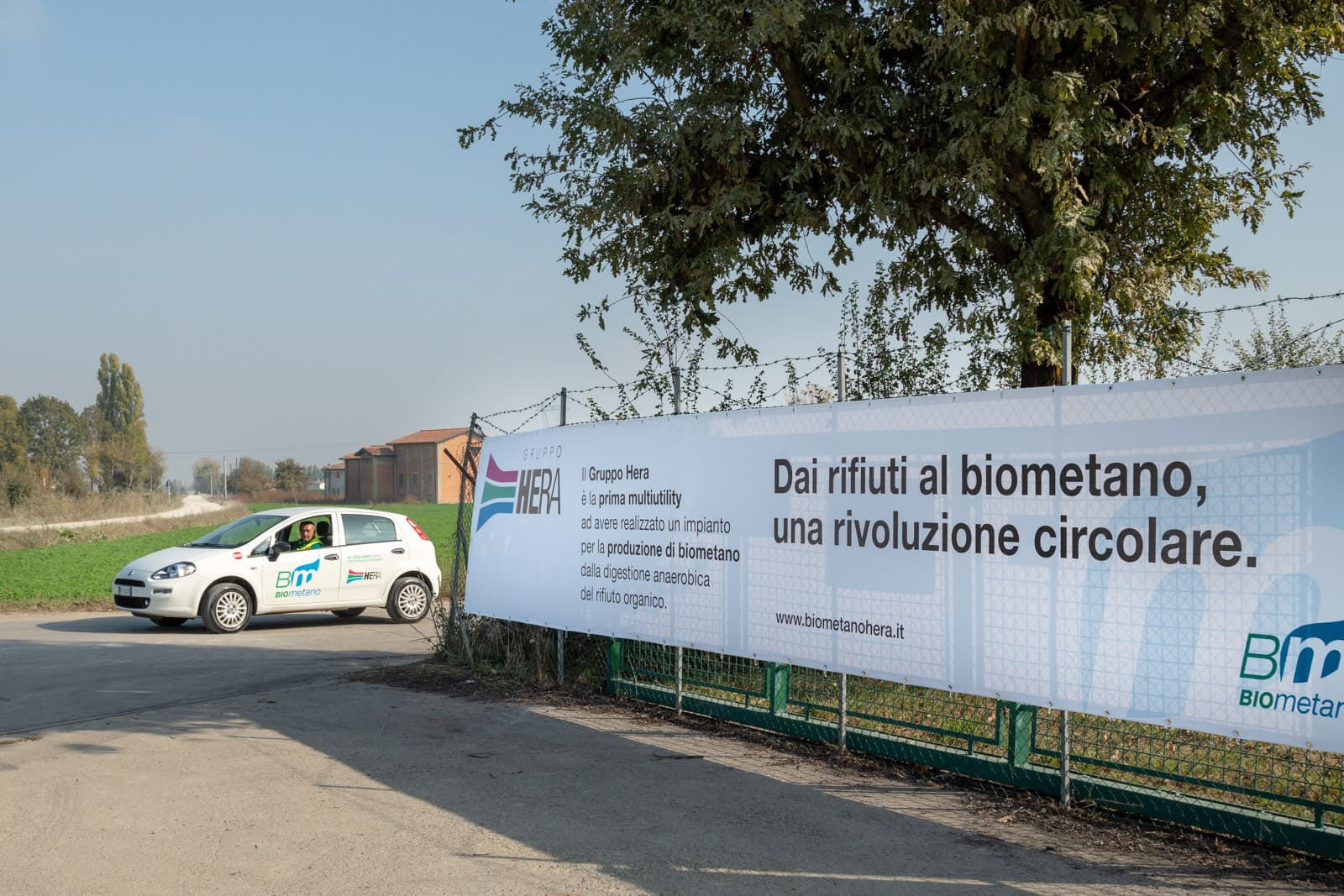
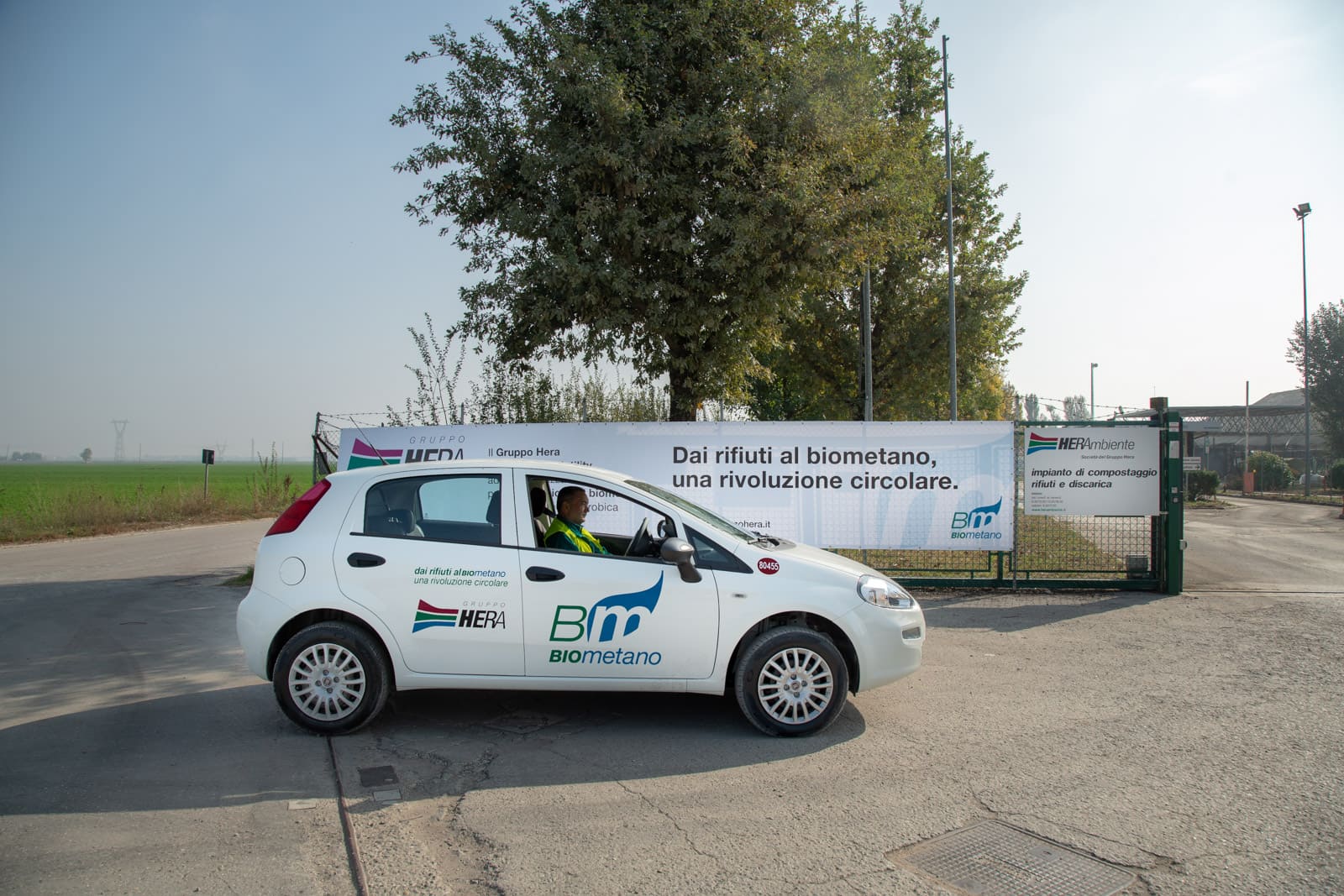
From organic waste to biomethane, a circular revolution

A revolution rooted in the circular economy: thanks to separate waste collection, organic waste is fed into an anaerobic digestion process to produce biogas.

Biomethane: a clean resource of biological origin

So, what makes this source of methane “bio”? Quite simply, it’s how it is produced: not by drilling into deep underground deposits, but by fermenting organic waste in dedicated facilities. Biomethane can be produced continuously, it is inexhaustible, and production can be increased simply by building more plants. This makes it one of the clearest examples of a circular economy.


In Spilamberto, a biodigester converted into a biomethane plant

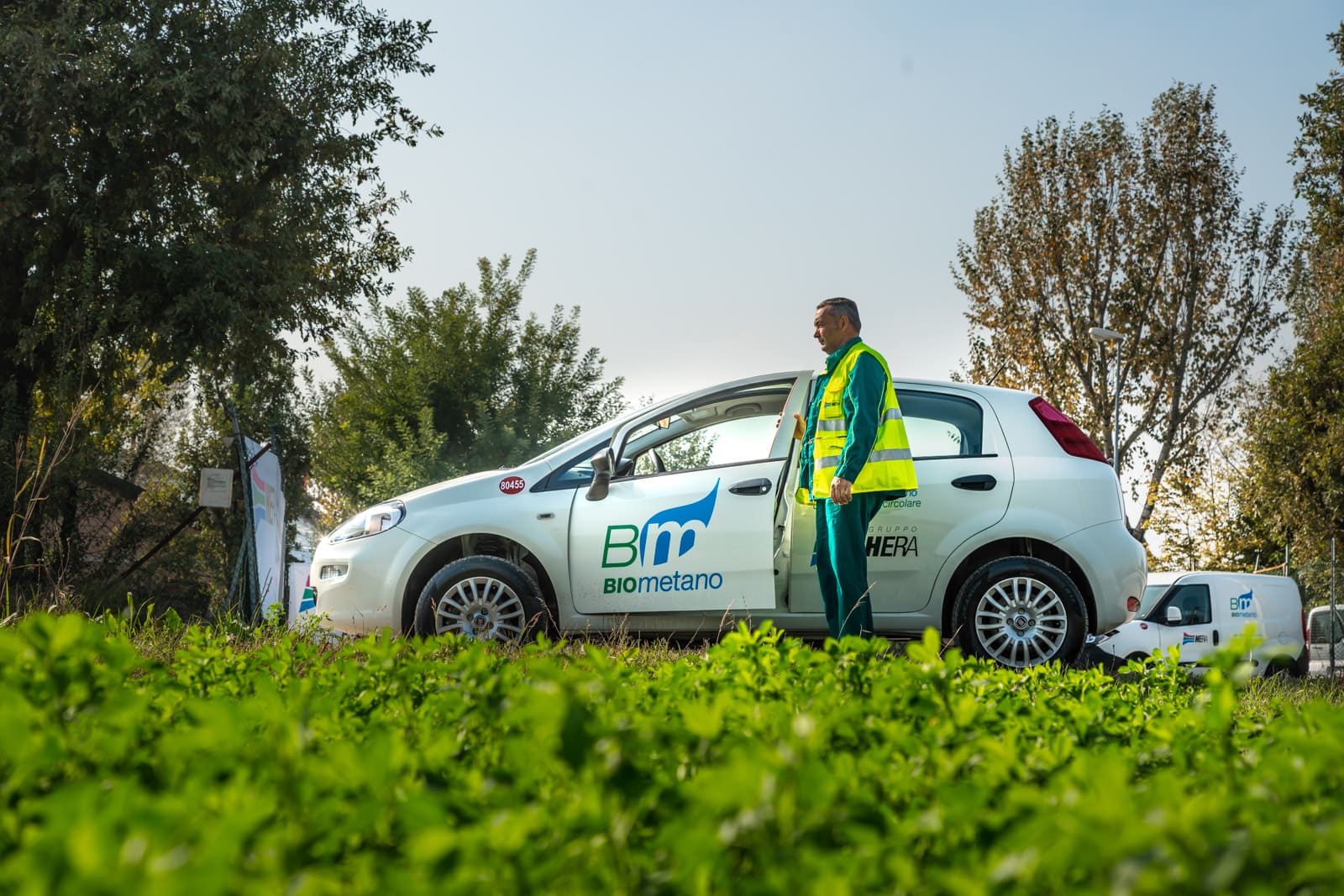
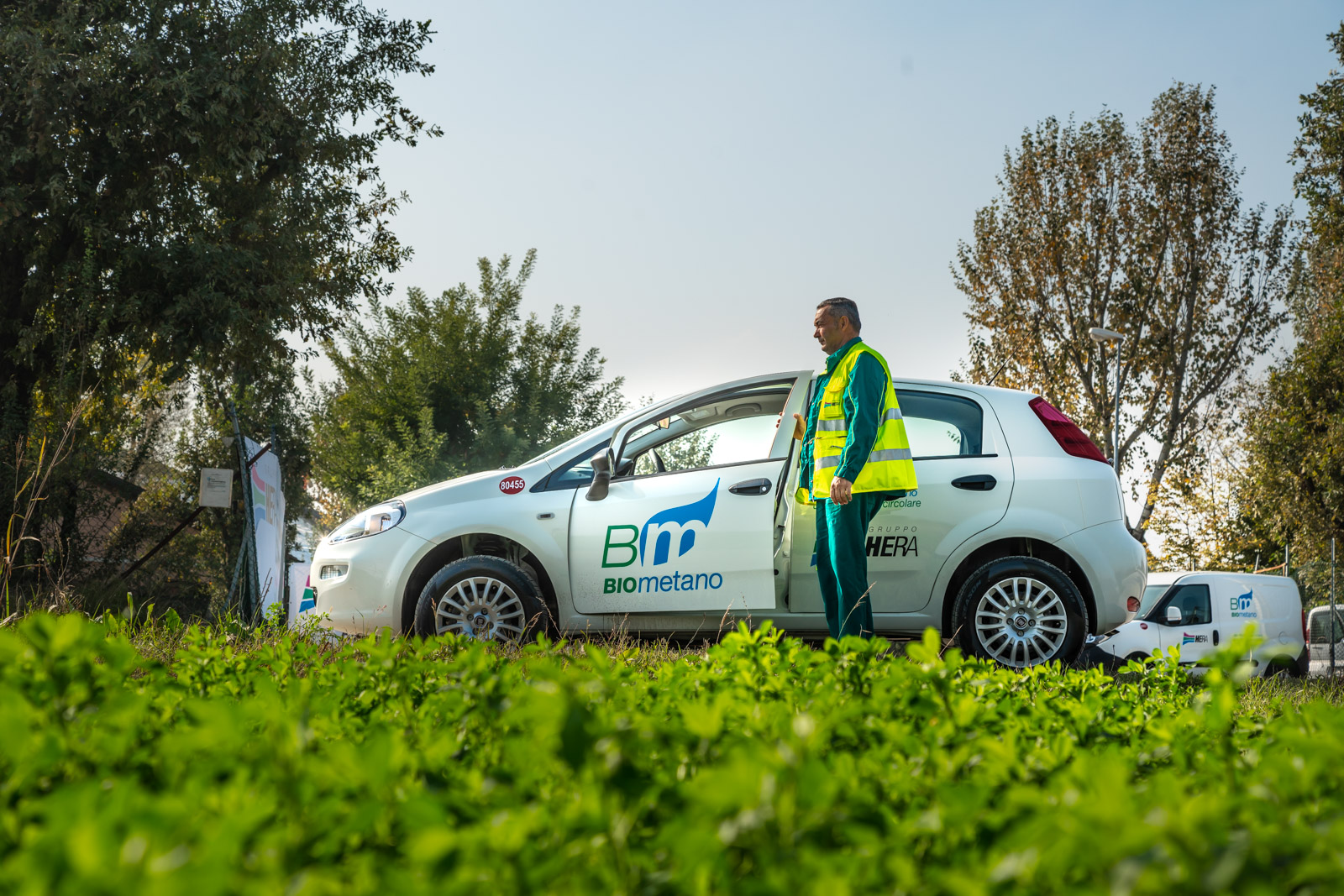
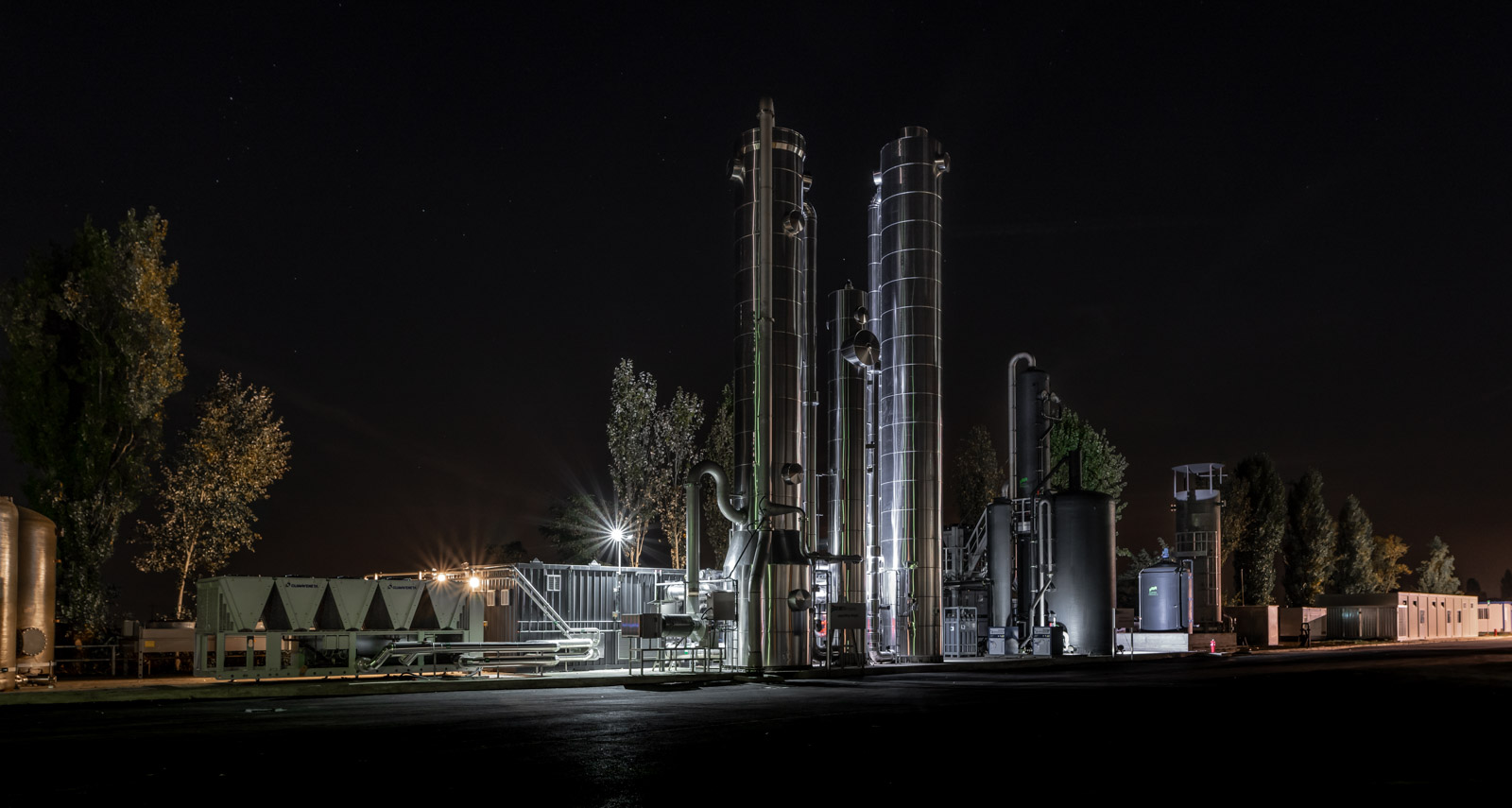
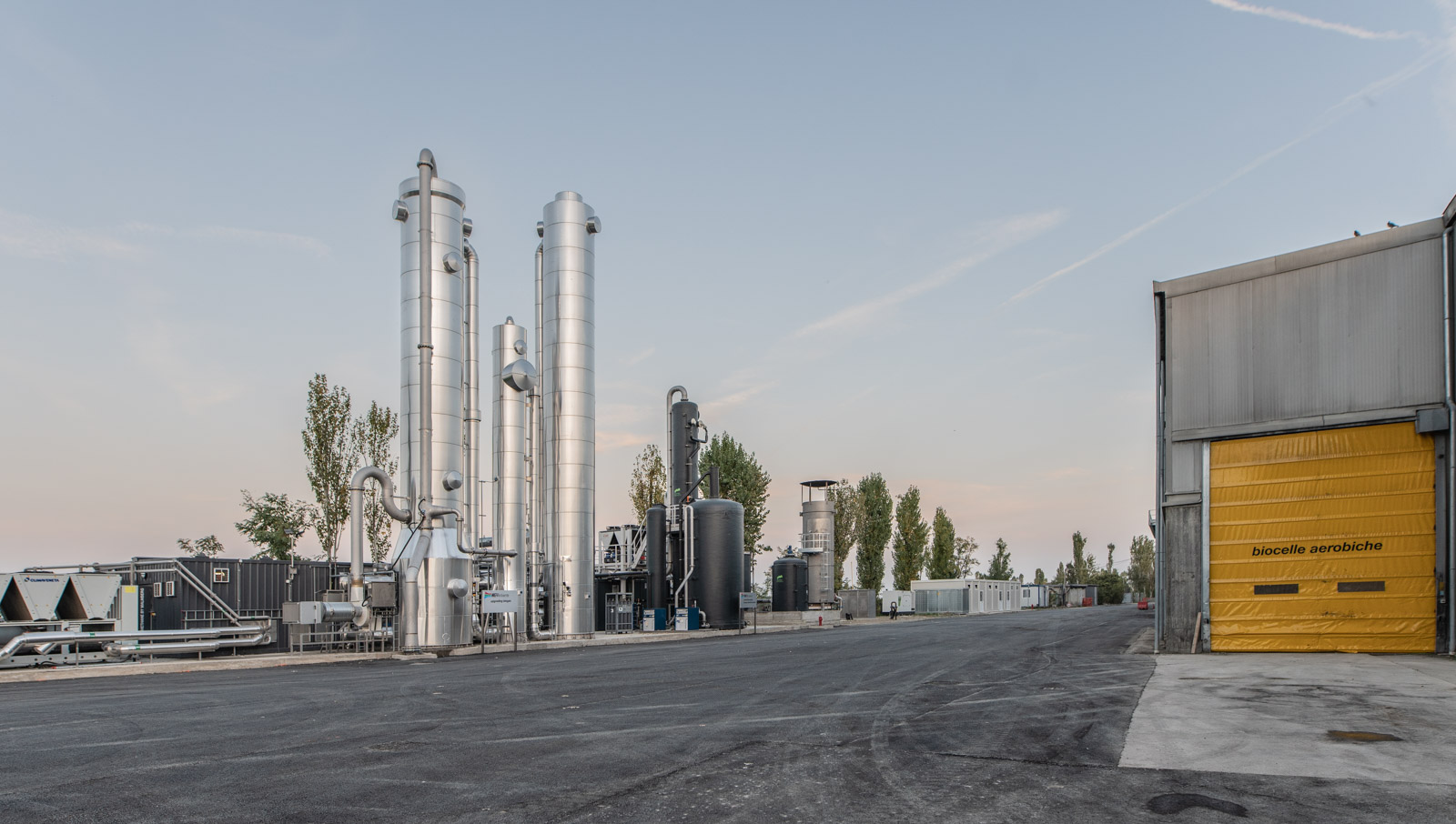
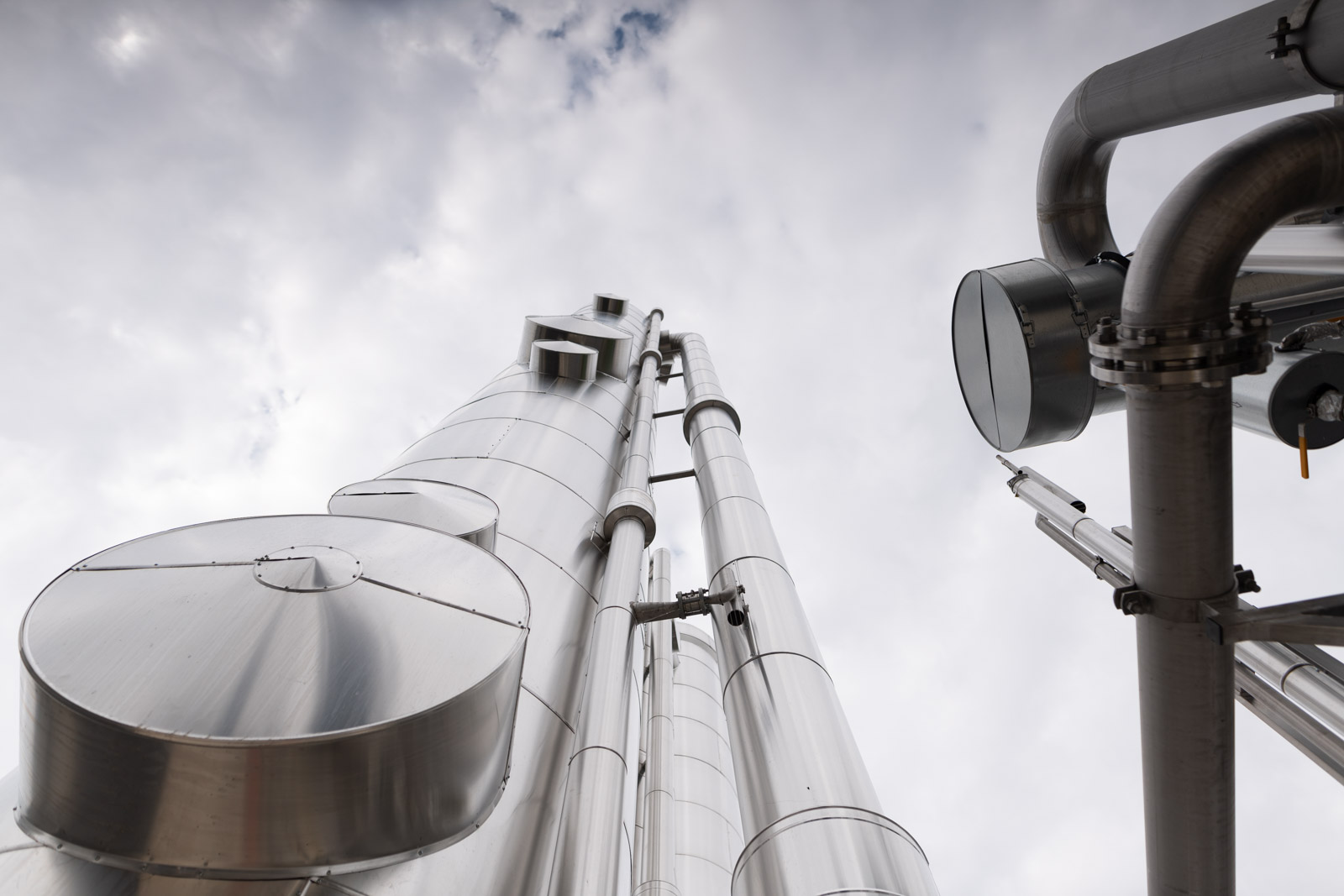
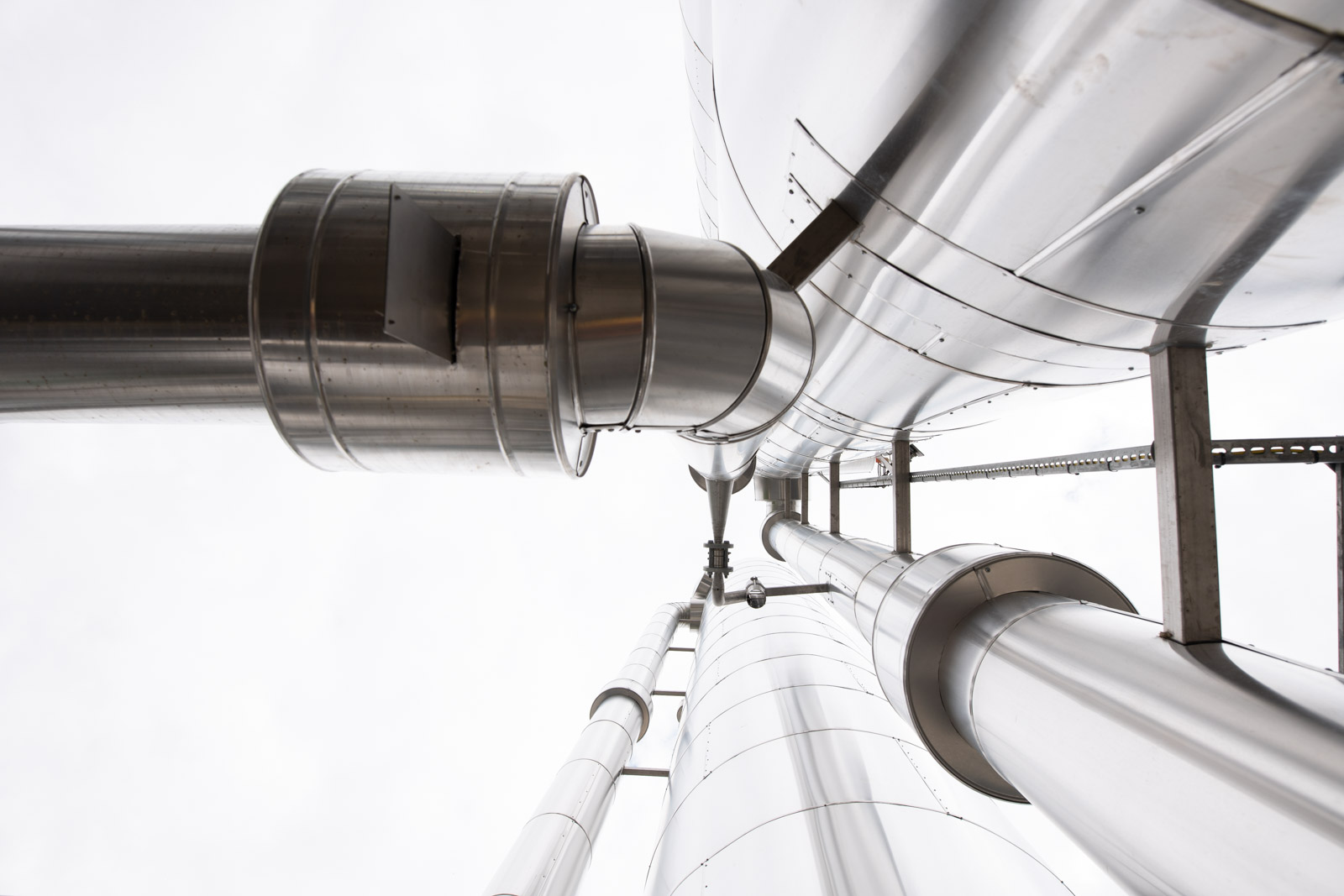
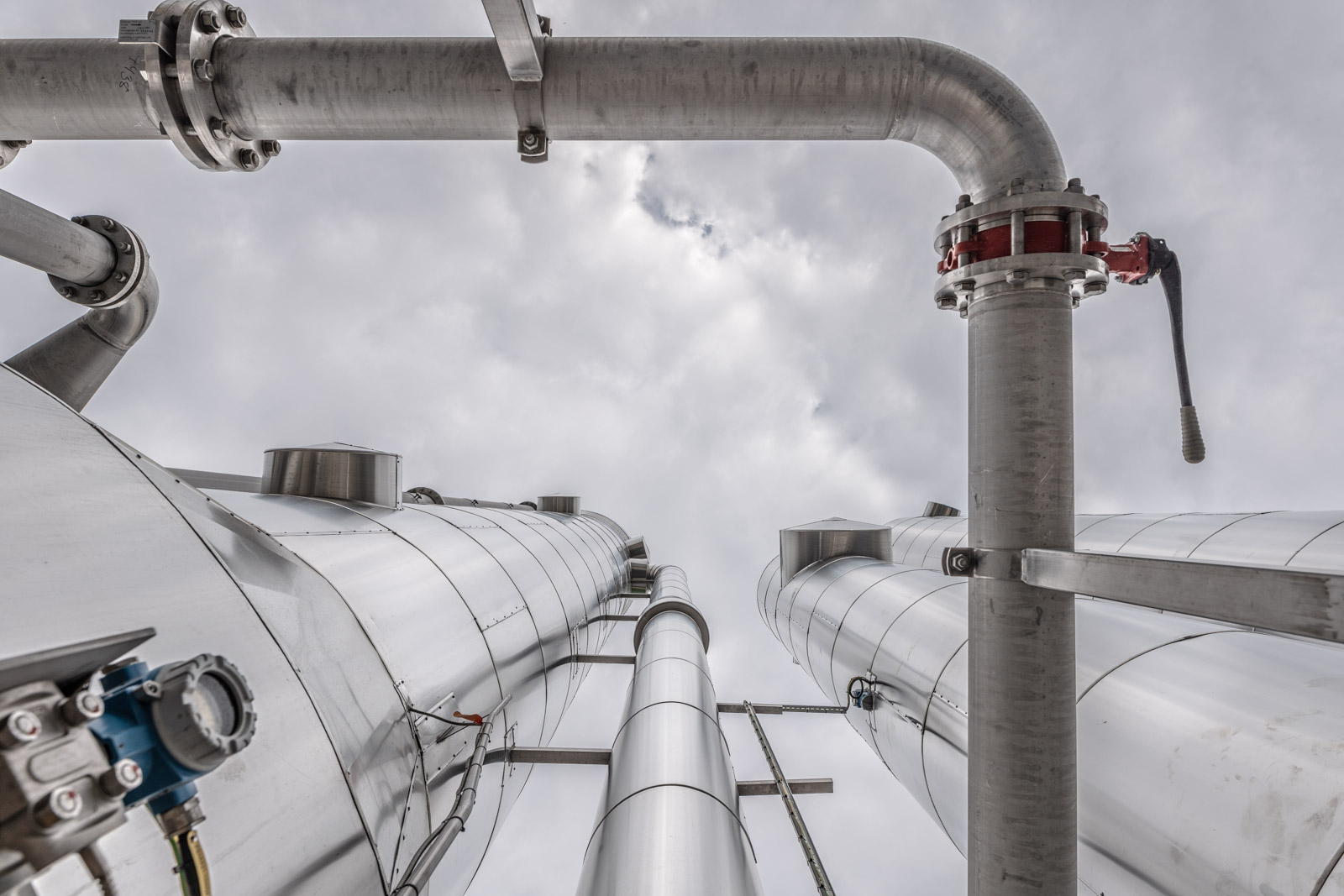
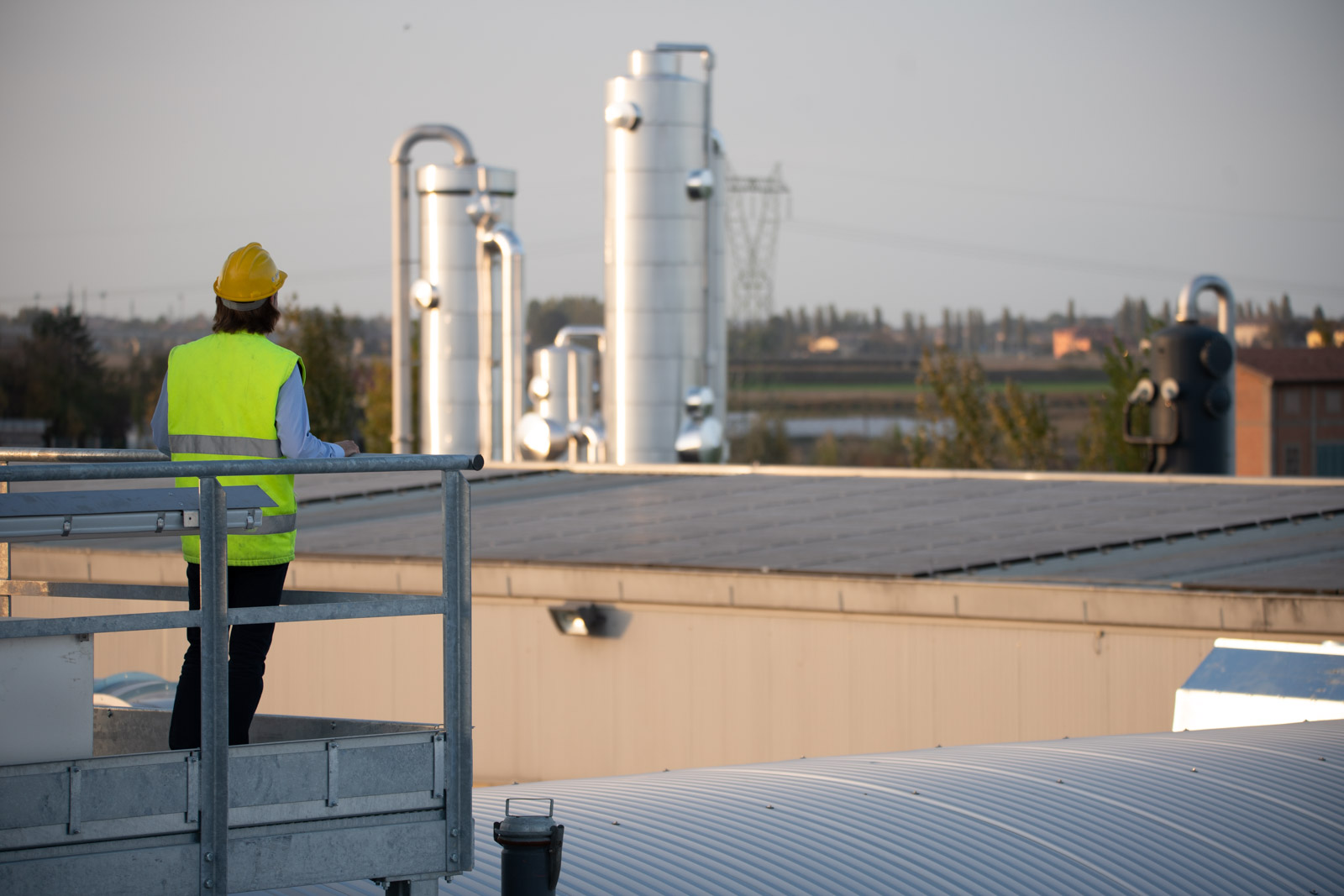
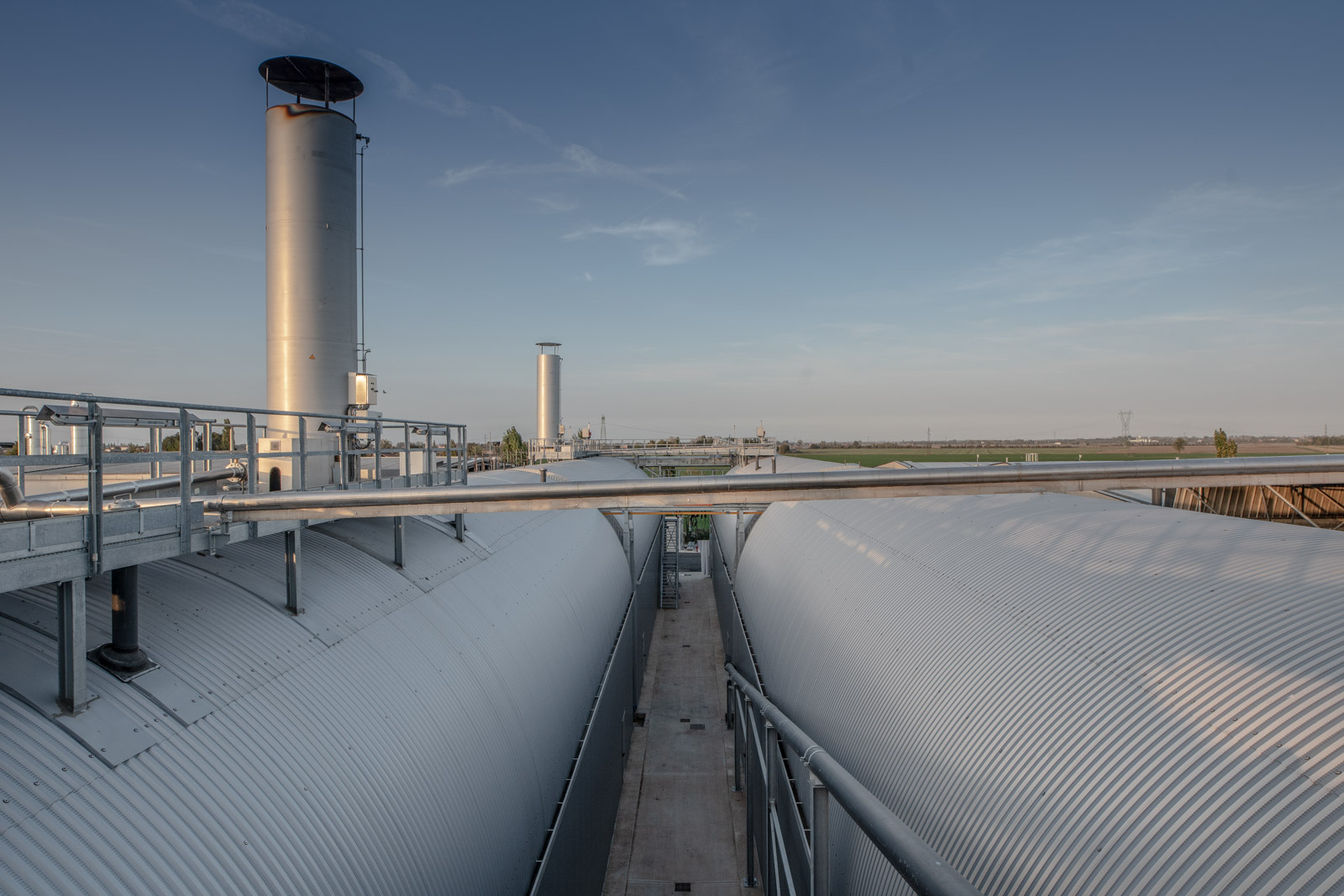
An innovative plant for the production of biomethane is in operation in Spilamberto, in the province of Modena. It was developed by the NewCo Biorg, a joint venture between the Hera Group and Inalca (Cremonini Group), through a total investment of around €28 million and the use of the best available technologies.

Starting from separately collected organic waste and agri-food effluents, the plant – the result of converting an old biodigester – produces, at full capacity, 3.7 million cubic metres of biomethane per year, a 100% renewable fuel intended for transport, and around 18,000 tonnes of compost.

A cutting-edge plant for the energy transition and the circular economy
The 100% renewable natural gas is produced through anaerobic digestion of organic waste from separate collection carried out mainly in Modena and the province, along with waste from local agri-food processing and meat production by Inalca. Once refined, it becomes biomethane and can be fed into the gas network.

Significant environmental benefits: around 7,000 tonnes of CO₂ avoided
Thanks to the injection of biomethane into the network and its use in transport, significant environmental benefits are expected. Every year, around 3,000 tonnes of oil equivalent (TOE) in fossil fuels are saved, and approximately 7,000 tonnes of CO₂ emissions are avoided. Absorbing such an amount of CO₂ would require, on average, 280,000 trees.


What happens in our plant in Sant'Agata

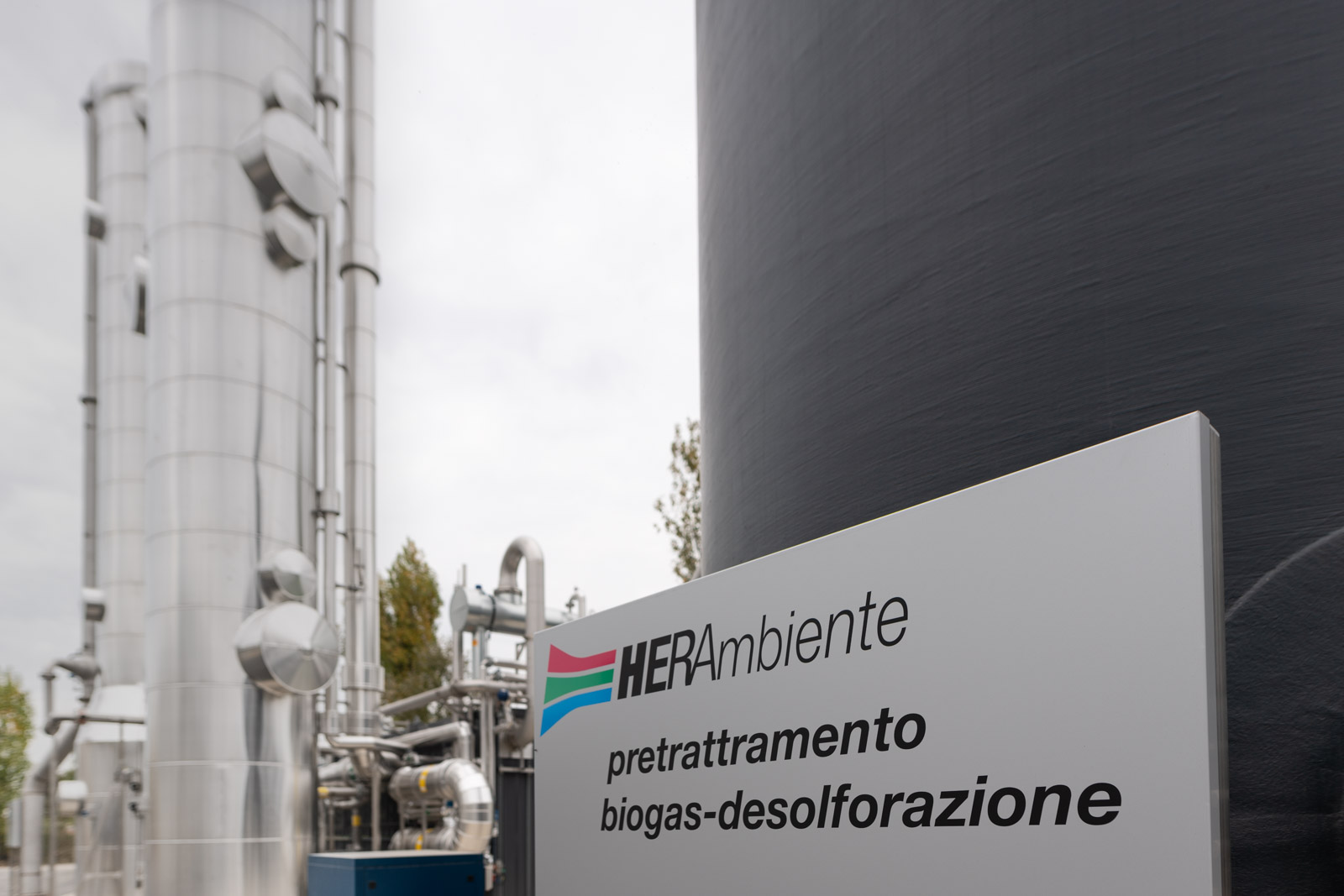
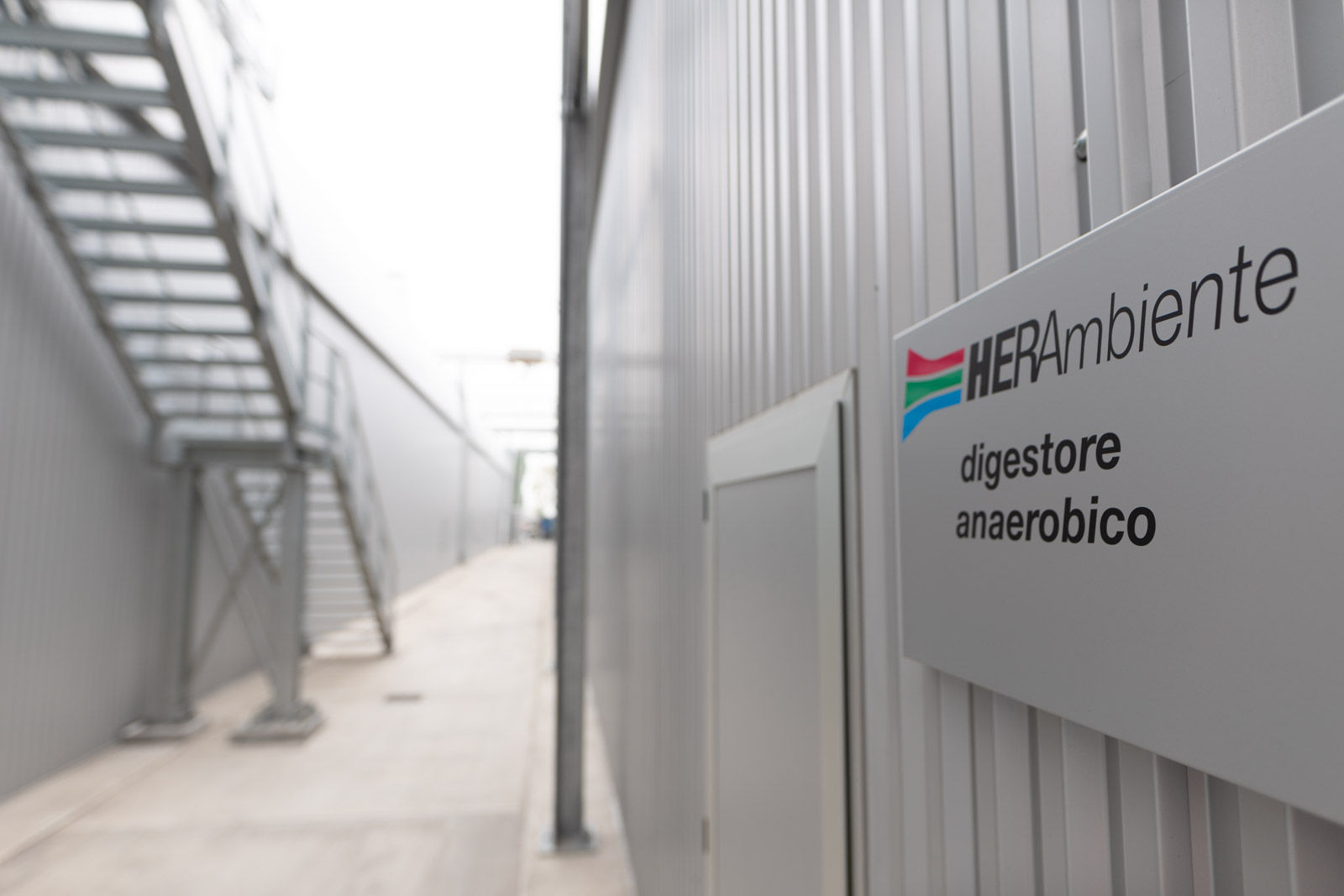
Organic waste, collected through separate waste collection, undergoes anaerobic digestion to produce biogas. This is how the process works: the waste is shredded and screened, then remains for about 21 days in four horizontal digesters, where suitable microorganisms carry out the digestion process and produce biogas (composed of methane and carbon dioxide). After this, the biogas undergoes an upgrading, or purification, phase using pressurised water: the carbon dioxide dissolves and separates from the methane. The result is biomethane, a gas with a methane content above 95%, and a completely renewable source of energy. Not only that: at the end of the digestion process, lignocellulosic material is added to the outgoing solid fraction, producing a compact mass that then undergoes composting to create high-quality compost, which can be used as potting soil or agricultural fertiliser.

Biomethane is therefore another revolution rooted in the circular economy, one that we at Hera Group are committed to advancing. We do all this with the goal of creating shared value, as Andrea Ramonda, CEO of Herambiente, emphasises: “The direction we have taken looks towards the industrial sector with an increasing focus to creating shared value and partnerships. We are aware that sustainable waste management, focused on recovery and in full compliance with regulations, is essential in today’s world and generates benefits for the entire community.”
 

Working together for a circular city

At Hera Group, we have joined forces with Bologna Airport and Tper to launch a circular economy project that contributes to decarbonising urban mobility and improving air quality.

What does this partnership involve? The Airport delivers its organic waste to Hera, which collects it at the Sant'Agata Bolognese plant together with similar waste produced by citizens and transforms it into biomethane that Tper purchases to feed the fuel tanks of a significant part of its bus fleet.


This is an important step forward for our Group and for two major organisations in our area, which, like us, serve hundreds of thousands of people. We share a commitment to improvement and sustainability, in line with the UN 2030 Agenda.
[business-activities/focus] hidden search categories

Tag Facet

Tag

Search Results

Focus
Innovation
Digitalisation

Hergo Reti: smart emergency response and maintenance

With the Geocall IT system, we have applied the benefits of digitalisation to our emergency response operations, making all relevant information available via smartphone. Find out how we have made Hergo Reti – the platform that manages our maintenance and support activities – even more efficient.
Focus
Innovation
AI & Process automation

Robotics at the service of humankind

Thanks to robotics and artificial intelligence, we can streamline our workflows and enhance the value of people and their intellectual capabilities. With the Robotic & Intelligent Process Automation platform, we have made seven processes faster and more reliable: discover which ones.
Focus
Innovation

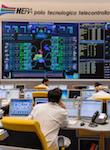
The Forlì remote control technology hub, the heart of Hera

How do we monitor 6,600 plants and over 67,000 km of networks? With our Forlì Remote Control Technological Hub, which monitors operation in real time to detect failures and malfunctions of aqueducts, sewers, and energy distribution networks. It's a real engine that powers Hera's operation: discover all its numbers. 
Focus
Innovation
AI & Process automation

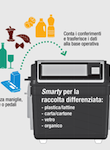
HergoAmbiente, the talking bin system

Our 300,000 bins can “talk”. How? Thanks to a tag that allows us to always know where they are, how they are working, and whether they have been emptied. Discover more about HergoAmbiente, the Hera Group’s intelligent system supporting waste management.
Focus
Innovation

Data, the key to a smart future

From city to "smart city" thanks to data: with our detection systems we can monitor traffic trends, air quality and consumption of public parks. 
Focus
Innovation

The office in a device. Digital workplace

The Digital Workplace has transformed how we work, making office presence increasingly unnecessary, and fostering remote working and flexibility.
Focus
Innovation
Water Project
Predictive technologies

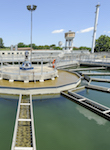
Purification 4.0 – between artificial intelligence and predictive technologies

The intelligent wastewater treatment plant in Modena and COSTANCE, the prototype facility in Granarolo dell’Emilia. Two best-in-class examples of sustainable water management
Focus
Innovation

What about your bill? Pay it with a click

With our digital payment solutions, you can pay your bills quickly, easily and securely, directly from your smartphone or home PC.

Asset Publisher

Innovation takes flight and offers a variety of perspectives

Innovation takes flight and offers a variety of perspectives

Hera Group's drones are alternative and supplemental investigation tools to provide quality services to the areas we serve.

Cameras on. Three, two, one... take one! Or maybe it would be better to say... Go! Our drones are off.

Yes, you got that right. To ensure high quality services, we have invested in the most modern technologies, such as drones, which have become alternative and complementary investigative tools for the Hera Group.  

Drones offer us countless opportunities in the management of essential services, such as checking the status of power lines, which can present problems that are difficult for ground-based operators to identify. We use helicopters to inspect the nearly 1,500 km of overhead power lines under our responsibility.
Drones also enable us to protect our service areas by checking for possible illegal discharges and observing the filling status of landfills, and offer increasingly timely services by monitoring the upgrades of public lighting, observing tanks and roofs. Not only that: specially designed drones support us in sewer inspection, providing accurate data to help optimise our work. 

Our drones soar through the sky but also dive under water. Indeed, to offer higher and higher quality standards, special aquatic drones enable us to analyse the state of drinking water tanks, and of reservoirs without emptying them, giving us information about the collectors even if they are filled with murky water.

For us, leveraging innovation to contribute to the development of the local area and promoting efficient use of resources are the pillars of a broader project: creating Shared Value. For some time, we have been using cutting-edge technology that goes beyond drones, like satellite scanning. With this system, we can remotely assess the stability of the sewer collectors, pre-locate leaks in the water networks, and monitor landslides in our Apennine service area, to prevent problems in the gas networks.


Bilancio bs e be banner

Financial results FY2024 and
Creating shared value report 2024

Pre-Footer Standard

Hera SpA, Viale Carlo Berti Pichat 2/4, 40127 Bologna, Tel.051287111 www.gruppohera.it