
A revolution rooted in the circular economy: thanks to separate waste collection, organic waste is fed into an anaerobic digestion process to produce biogas.
Biomethane: a clean resource of biological origin
So, what makes this source of methane “bio”? Quite simply, it’s how it is produced: not by drilling into deep underground deposits, but by fermenting organic waste in dedicated facilities. Biomethane can be produced continuously, it is inexhaustible, and production can be increased simply by building more plants. This makes it one of the clearest examples of a circular economy.
In Spilamberto, a biodigester converted into a biomethane plant
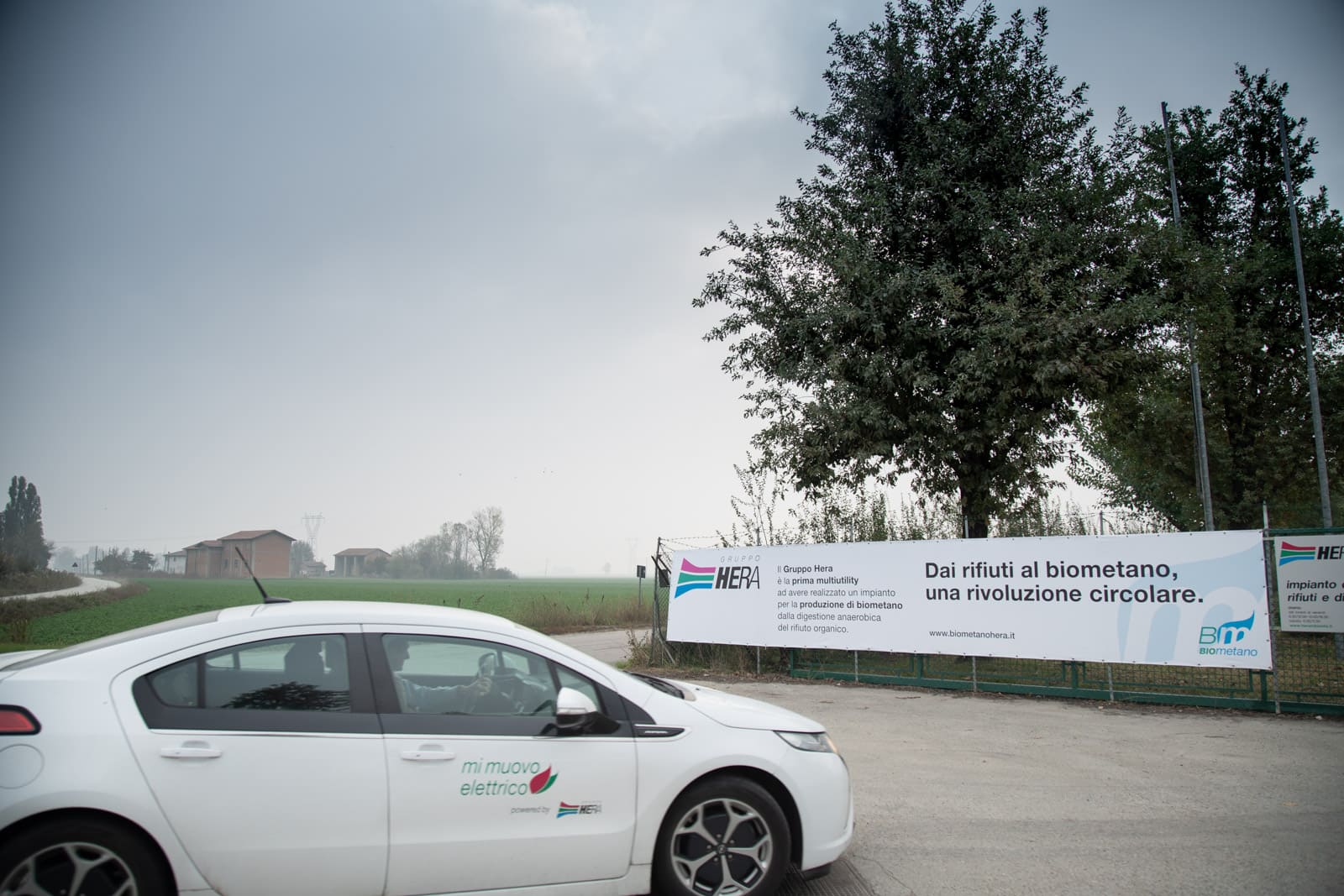
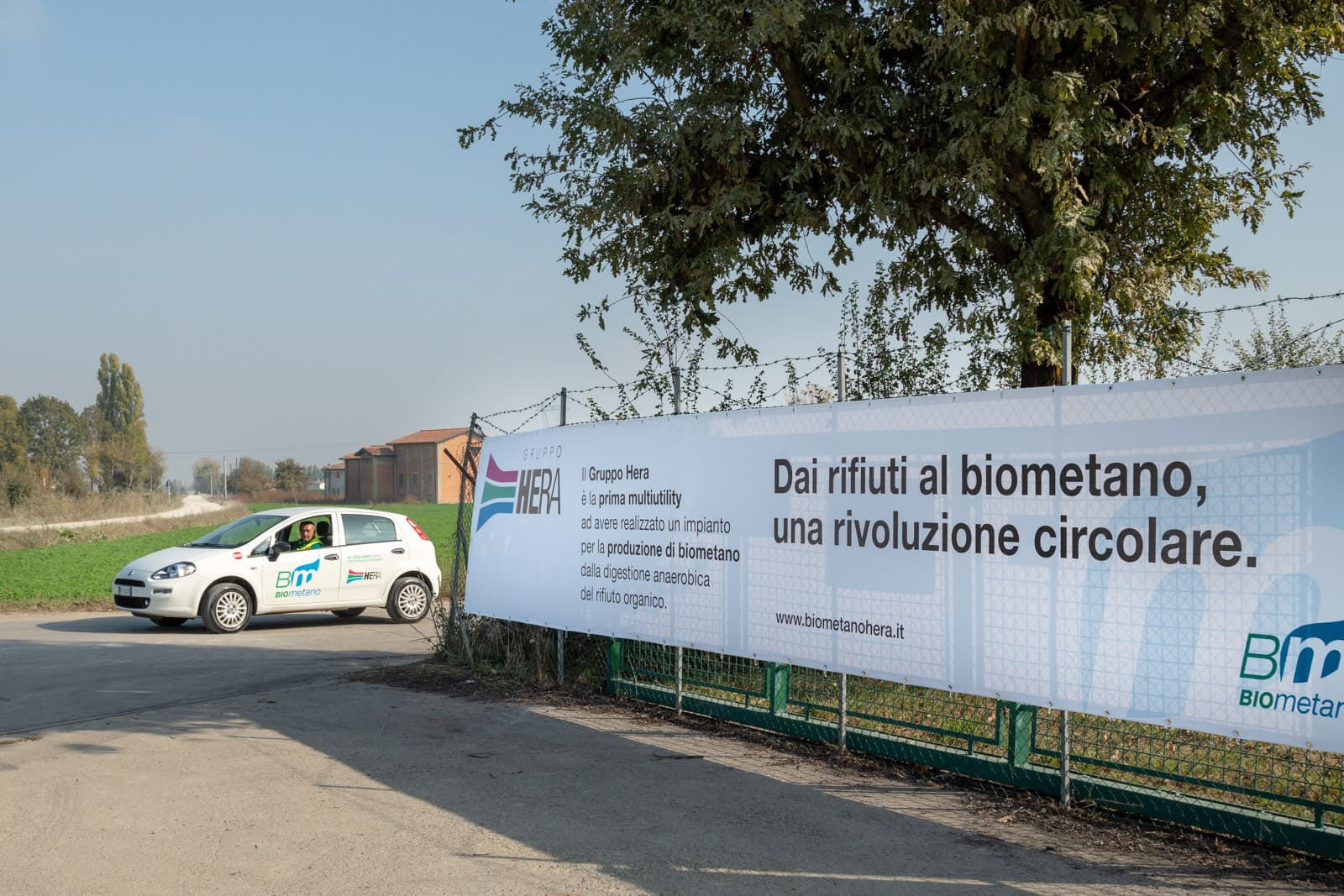
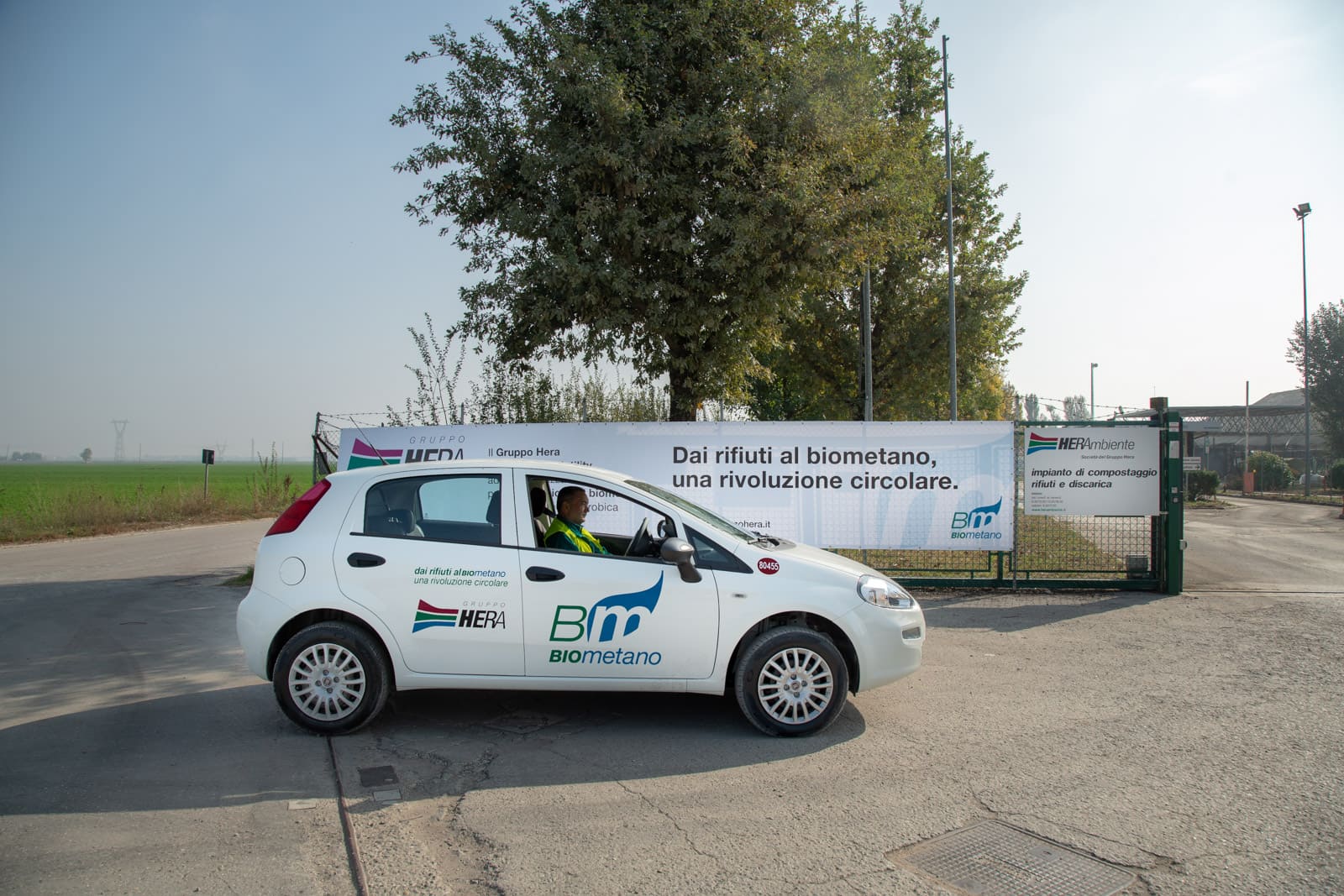
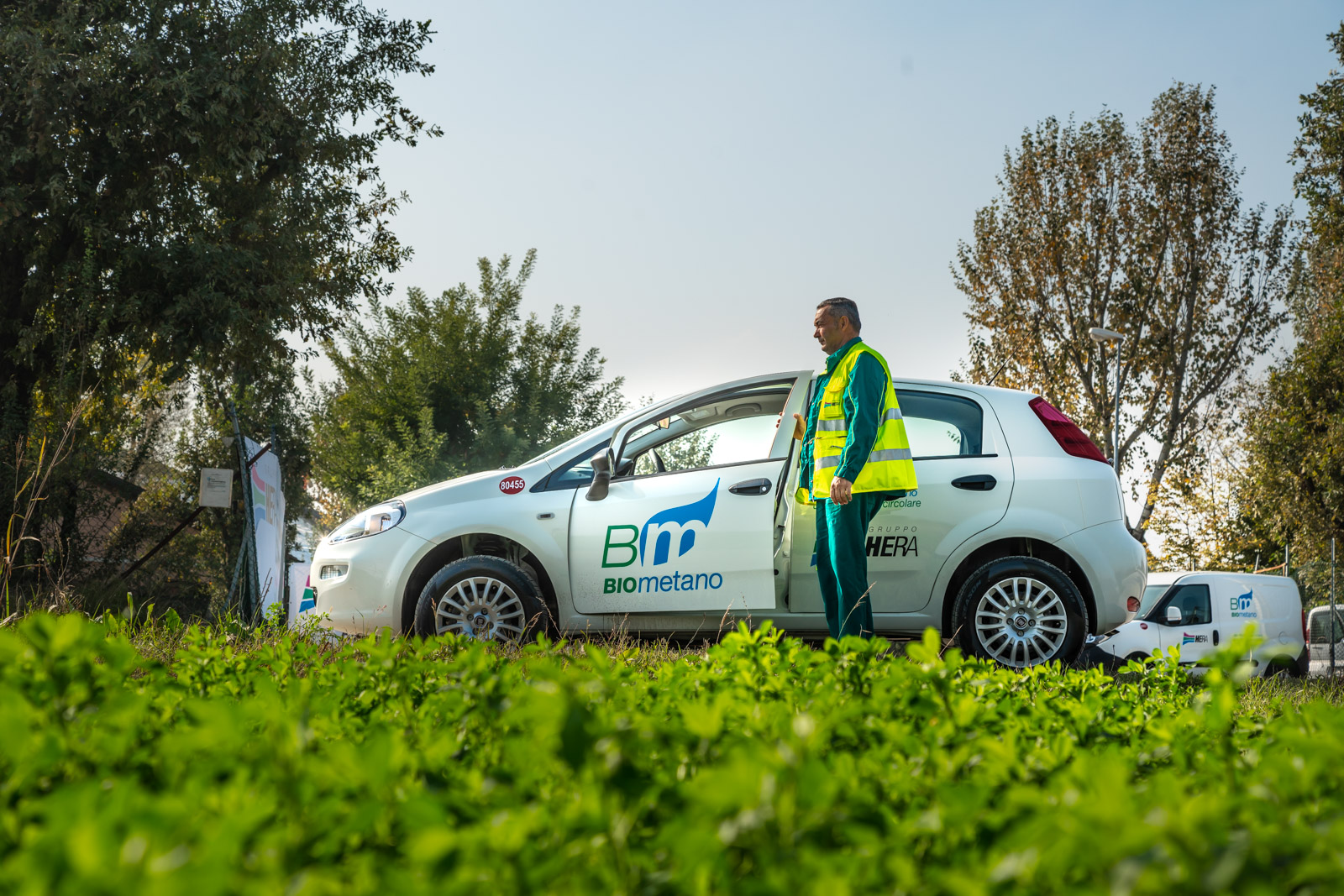
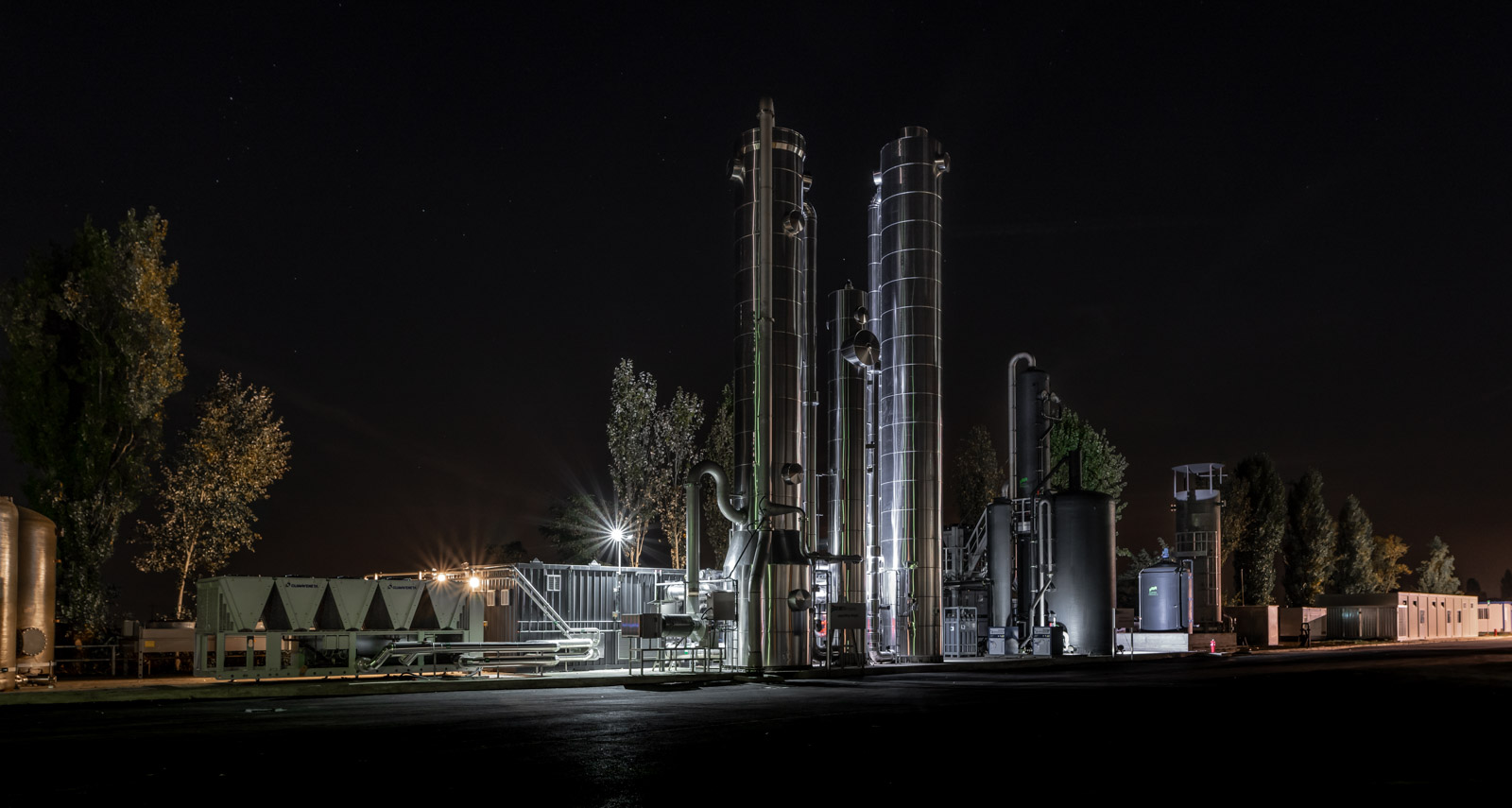
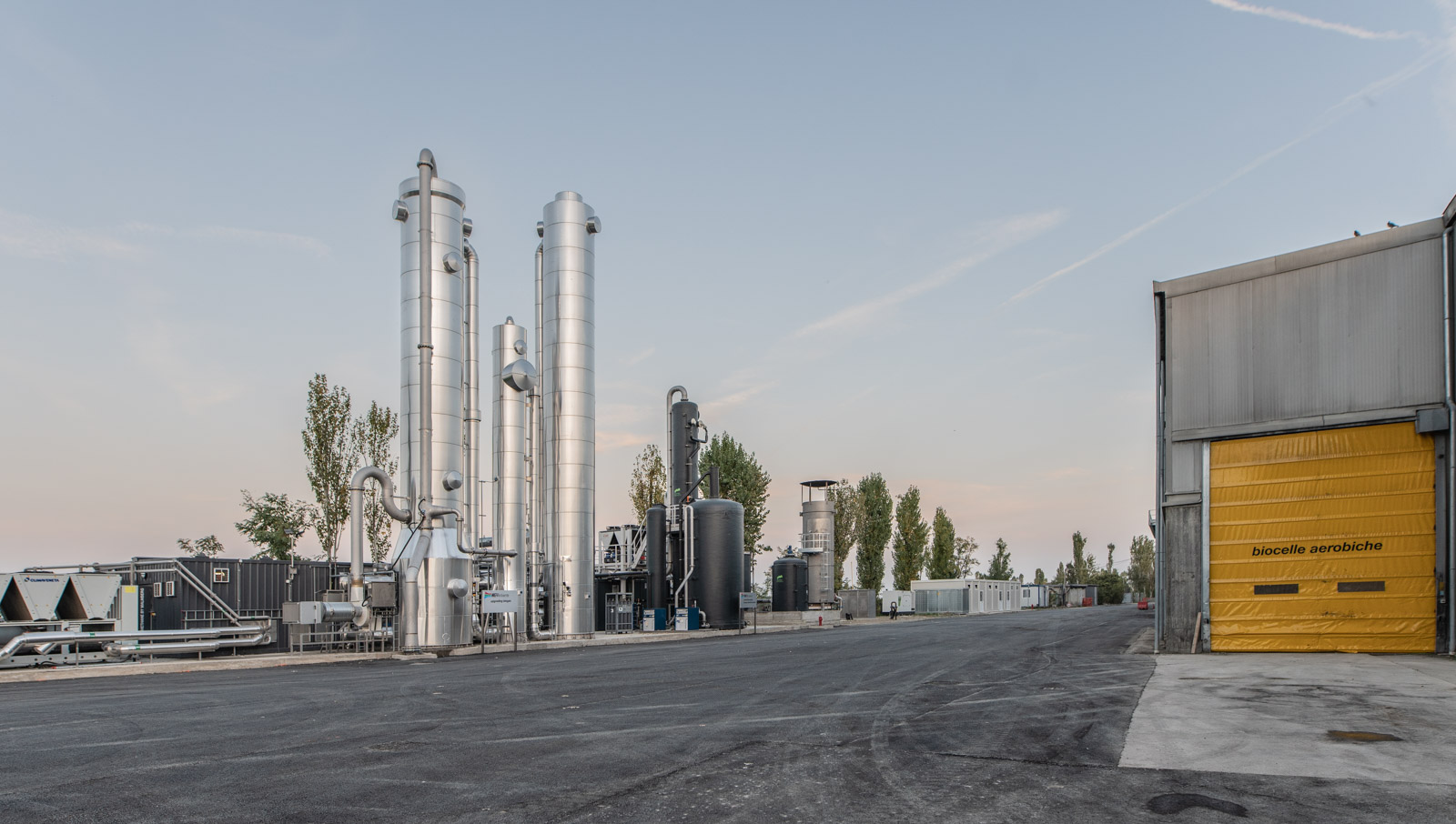
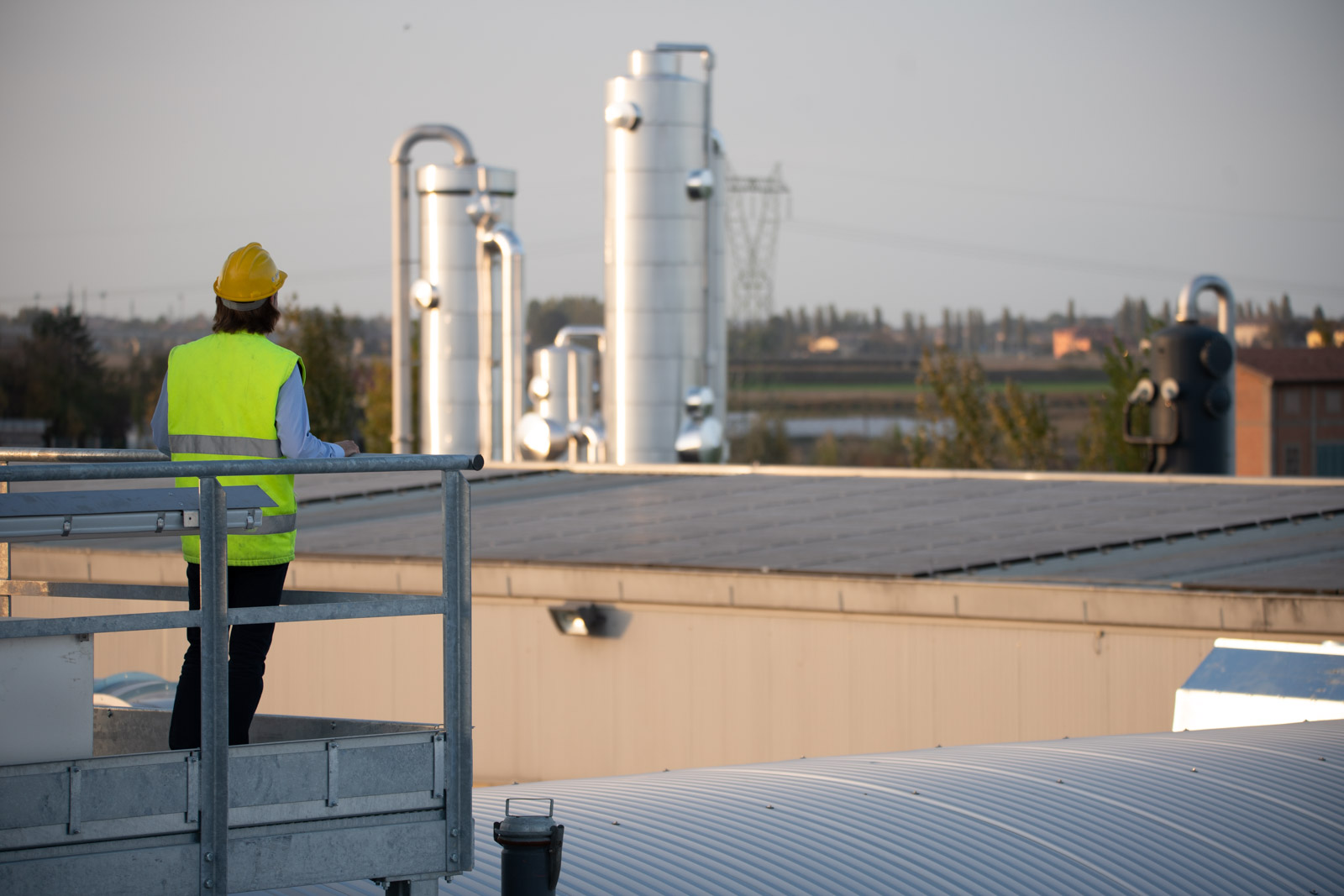
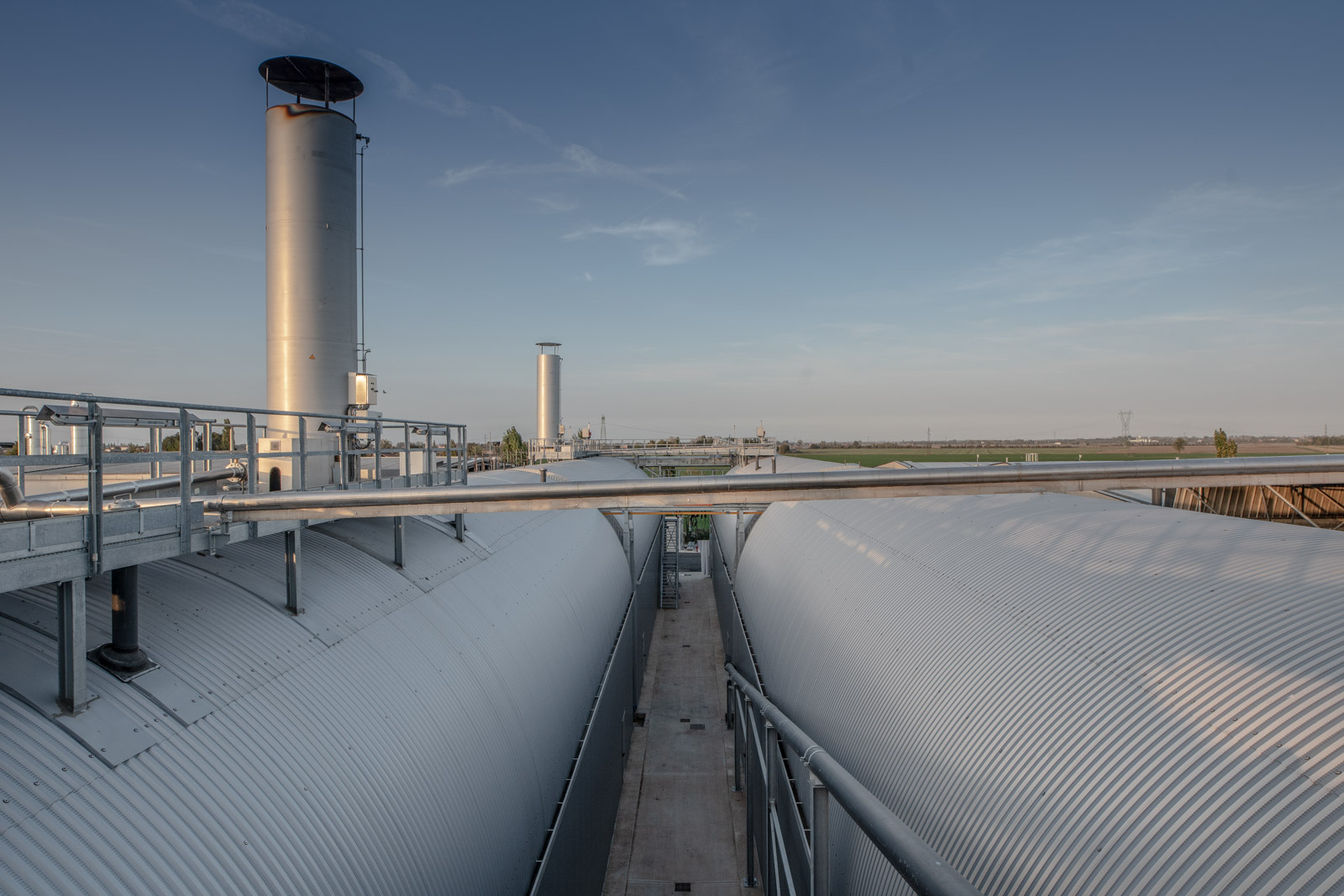
An innovative plant for the production of biomethane is in operation in Spilamberto, in the province of Modena. It was developed by the NewCo Biorg, a joint venture between the Hera Group and Inalca (Cremonini Group), through a total investment of around €28 million and the use of the best available technologies.
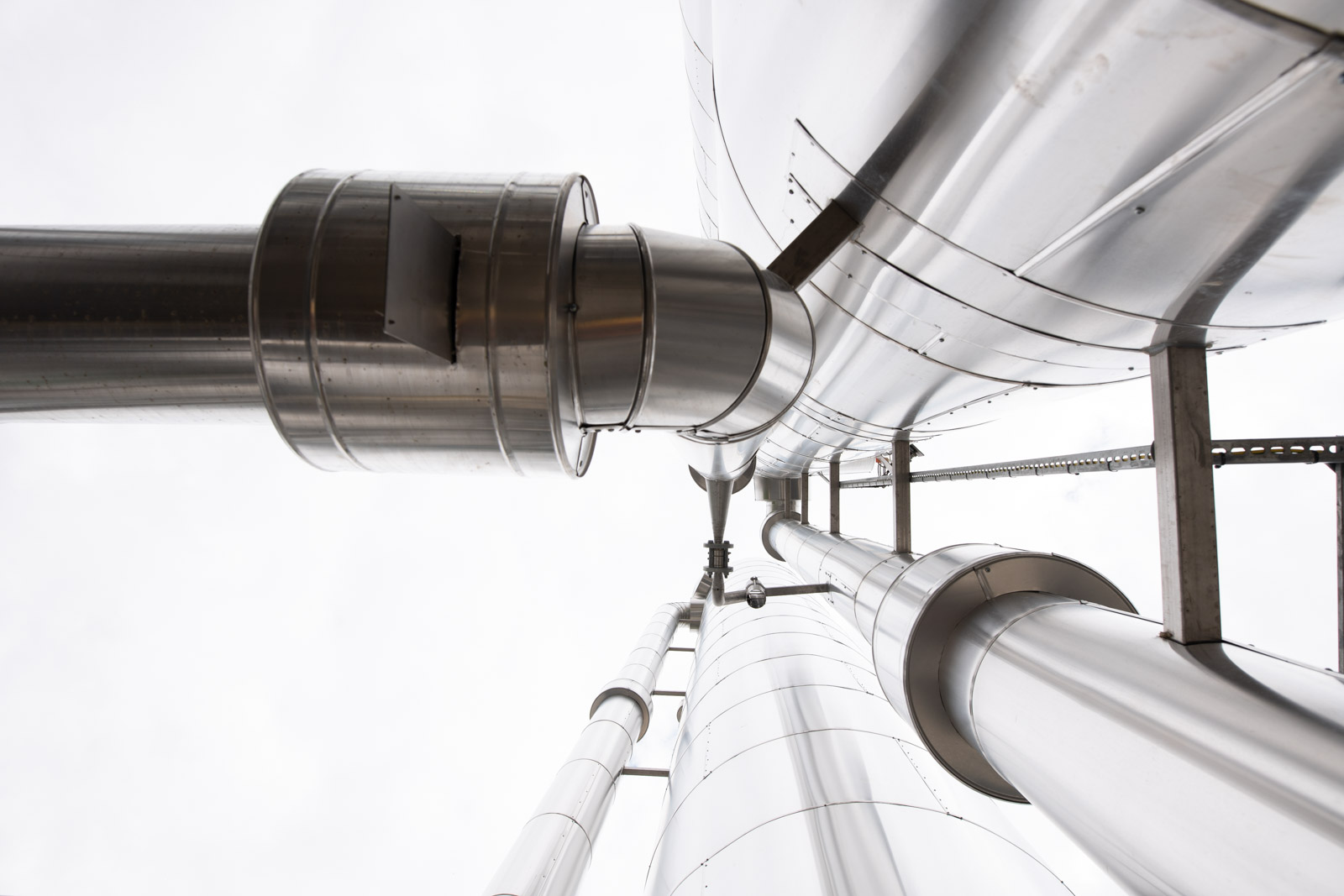
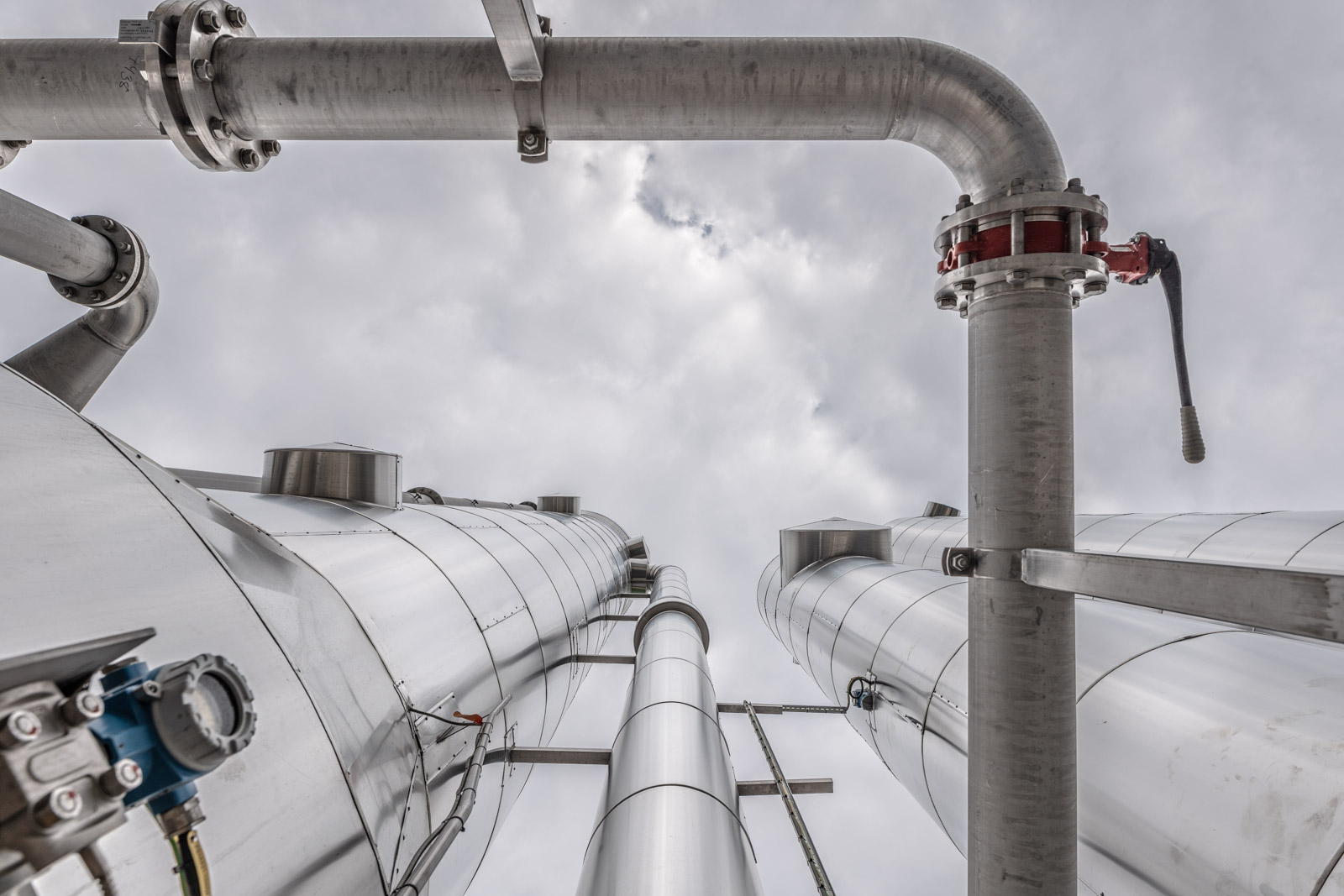
Starting from separately collected organic waste and agri-food effluents, the plant – the result of converting an old biodigester – produces, at full capacity, 3.7 million cubic metres of biomethane per year, a 100% renewable fuel intended for transport, and around 18,000 tonnes of compost.
A cutting-edge plant for the energy transition and the circular economy
The 100% renewable natural gas is produced through anaerobic digestion of organic waste from separate collection carried out mainly in Modena and the province, along with waste from local agri-food processing and meat production by Inalca. Once refined, it becomes biomethane and can be fed into the gas network.
Significant environmental benefits: around 7,000 tonnes of CO₂ avoided
Thanks to the injection of biomethane into the network and its use in transport, significant environmental benefits are expected. Every year, around 3,000 tonnes of oil equivalent (TOE) in fossil fuels are saved, and approximately 7,000 tonnes of CO₂ emissions are avoided. Absorbing such an amount of CO₂ would require, on average, 280,000 trees.
What happens in our plant in Sant'Agata
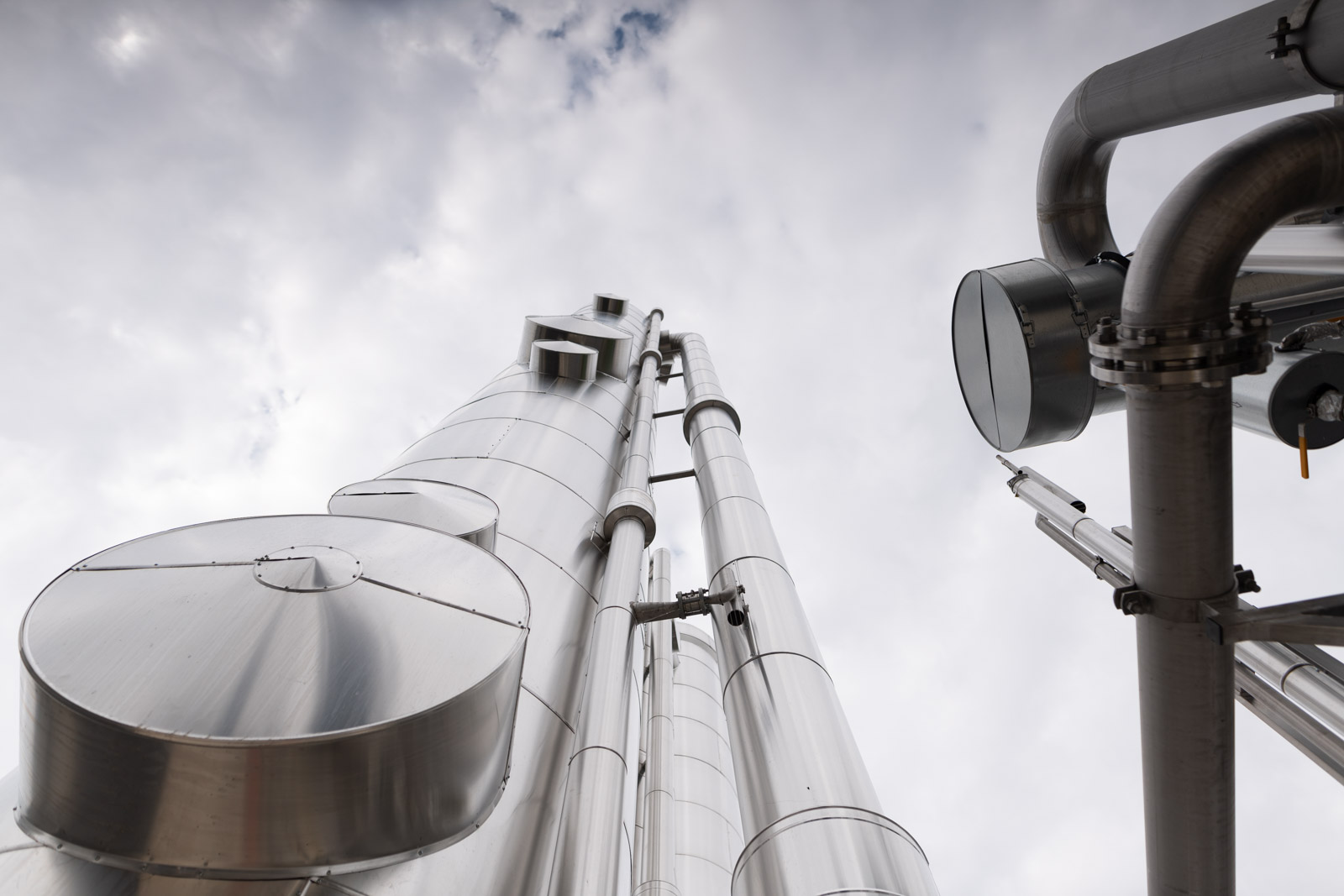
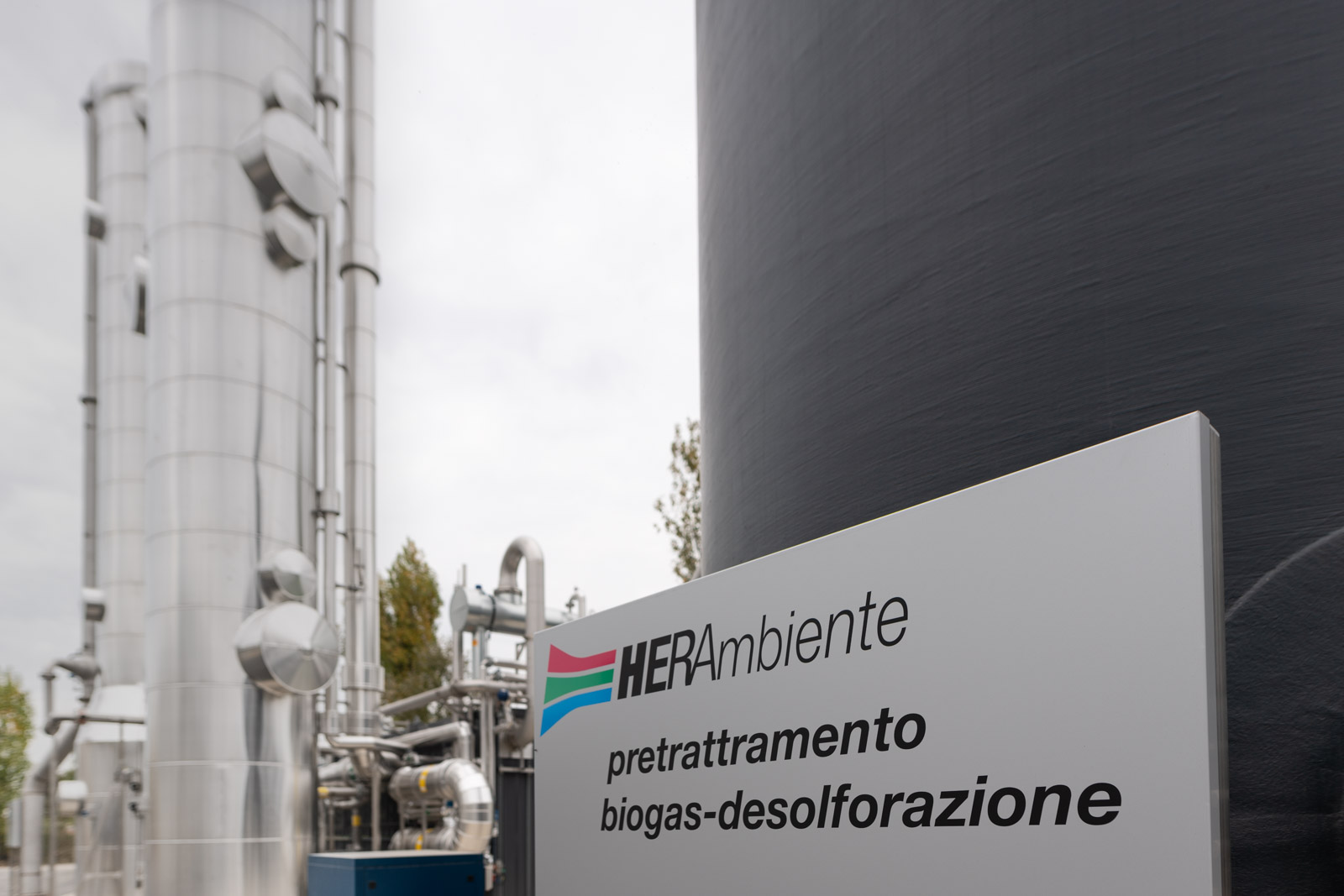
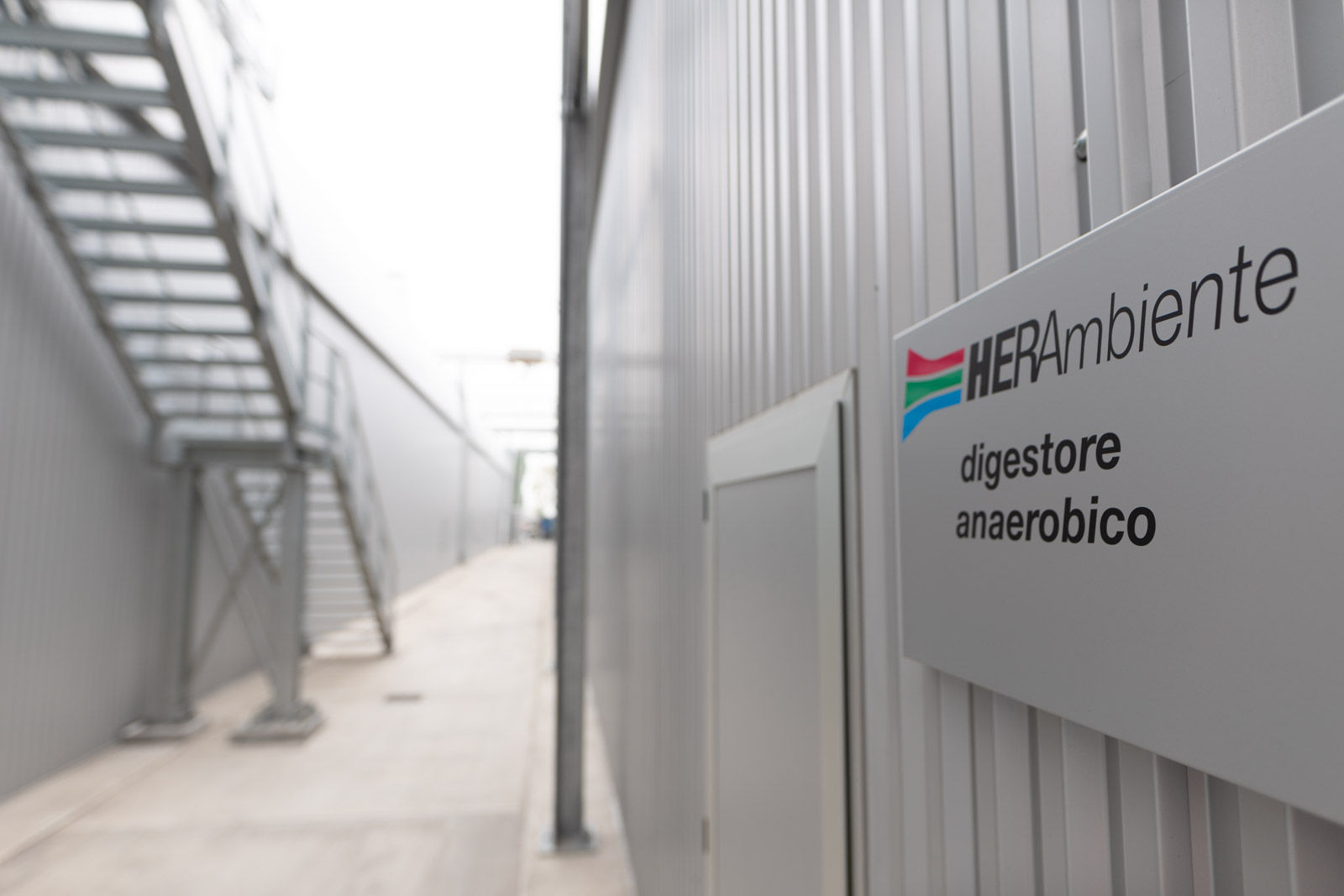
Organic waste, collected through separate waste collection, undergoes anaerobic digestion to produce biogas. This is how the process works: the waste is shredded and screened, then remains for about 21 days in four horizontal digesters, where suitable microorganisms carry out the digestion process and produce biogas (composed of methane and carbon dioxide). After this, the biogas undergoes an upgrading, or purification, phase using pressurised water: the carbon dioxide dissolves and separates from the methane. The result is biomethane, a gas with a methane content above 95%, and a completely renewable source of energy. Not only that: at the end of the digestion process, lignocellulosic material is added to the outgoing solid fraction, producing a compact mass that then undergoes composting to create high-quality compost, which can be used as potting soil or agricultural fertiliser.
Biomethane is therefore another revolution rooted in the circular economy, one that we at Hera Group are committed to advancing. We do all this with the goal of creating shared value, as Andrea Ramonda, CEO of Herambiente, emphasises: “The direction we have taken looks towards the industrial sector with an increasing focus to creating shared value and partnerships. We are aware that sustainable waste management, focused on recovery and in full compliance with regulations, is essential in today’s world and generates benefits for the entire community.”
Working together for a circular city
At Hera Group, we have joined forces with Bologna Airport and Tper to launch a circular economy project that contributes to decarbonising urban mobility and improving air quality.
What does this partnership involve? The Airport delivers its organic waste to Hera, which collects it at the Sant'Agata Bolognese plant together with similar waste produced by citizens and transforms it into biomethane that Tper purchases to feed the fuel tanks of a significant part of its bus fleet.
This is an important step forward for our Group and for two major organisations in our area, which, like us, serve hundreds of thousands of people. We share a commitment to improvement and sustainability, in line with the UN 2030 Agenda.
Hera Group and e-GEOS team up to make agriculture more efficient
On its path towards an increasingly circular economy, the Hera Group has developed a distinctive model based on setting up companies together with strategic partners to respond to specific challenges relating to sustainability and innovation.
On its path towards an increasingly circular economy, the Hera Group has developed a distinctive model based on setting up companies together with strategic partners to respond to specific challenges relating to sustainability and innovation.
The goal is always the same: to give new life to waste, limit environmental impact, generate tangible benefits for local communities.
Among the most innovative projects based on this model is the partnership between Herambiente and e-GEOS, a leading satellite services company, which has applied Earth observation technology to precision agriculture.
From space to fields
The starting point is an already well-established resource: every year, Herambiente returns more than 18,000 tonnes of organic carbon to agricultural soils through fertilisers produced from the treatment of biodegradable waste, such as the organic fraction of municipal solid waste (OFMSW) and wastewater treatment sludge.
These soil improvers and conditioners represent an important component for soil fertility and a significant carbon reserve at the local level.
The objective of the project with e-GEOS is to go beyond the simple supply of a product, offering client farms an advanced consulting service to use these organic fertilisers as effectively as possible.
How satellite monitoring works
The system is based on b>regular, continuous monitoring of crop growth conditions through satellite imagery and data.
These data are analysed using specific spectral indices – including NDVI (Normalised Difference Vegetation Index) and MSAVI2 (Modified Soil-Adjusted Vegetation Index) – which make it possible to assess three key parameters:
- vegetative vigour (plant growth) within each plot of land,
- identification of any abnormal or stressed areas,
- water availability for the crops.
The data collected is processed into reports delivered every 15 days. With this information, farmers can take action where it is really needed.
This is the principle behind precision agriculture: not blanket treatments across the entire field, but targeted interventions that optimise the use of recovered organic fertilisers and complement them with mineral inputs only where needed.
Economic and environmental benefits
The project, developed together with the University of Bologna and tested on different crops - e.g. cereals, vineyards, fruit trees - has led to measurable results both in economic and environmental terms.
For farms, the possibility of targeted fertilisation results in a significant reduction in management costs and in more homogeneous and productive harvests.
In a sector like agriculture, where profit margins are steadily narrowing, even a 2% increase in yield can make the difference between economic viability and loss. The satellite-based approach makes this result achievable.
On the environmental side, precisely dosing organic and mineral fertilisers means limiting the use of synthetic chemistry, increasing the soil's capacity to retain carbon and promoting more environmentally friendly farming models. This positive impact goes beyond the individual plot and involves the entire area.
Through this collaboration, the Hera Group and e-GEOS provide farmers with a complete and qualified service, strengthening the link between waste recovery, digital innovation and precision agriculture.
From testing to the market
The project is currently being extended. After years of in-depth studies and field trials, the project is ready to move beyond the experimental phase towards wider market deployment, with multi-year contracts already under consideration.
The initiative represents a concrete example of how circularity can be transformed into competitiveness and sustainability for the benefit of companies and local communities. It also shows how the Hera Group's model, based on strategic collaboration and the sharing of skills with other companies, can generate innovative solutions to tackle the challenges of the ecological transition. Observing fields from space to close the loop on the ground: this is the future of the circular economy.