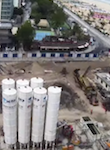

A revolution rooted in the circular economy: thanks to separate waste collection, organic waste is fed into an anaerobic digestion process to produce biogas.
Biomethane: a clean resource of biological origin
So, what makes this source of methane “bio”? Quite simply, it’s how it is produced: not by drilling into deep underground deposits, but by fermenting organic waste in dedicated facilities. Biomethane can be produced continuously, it is inexhaustible, and production can be increased simply by building more plants. This makes it one of the clearest examples of a circular economy.
In Spilamberto, a biodigester converted into a biomethane plant
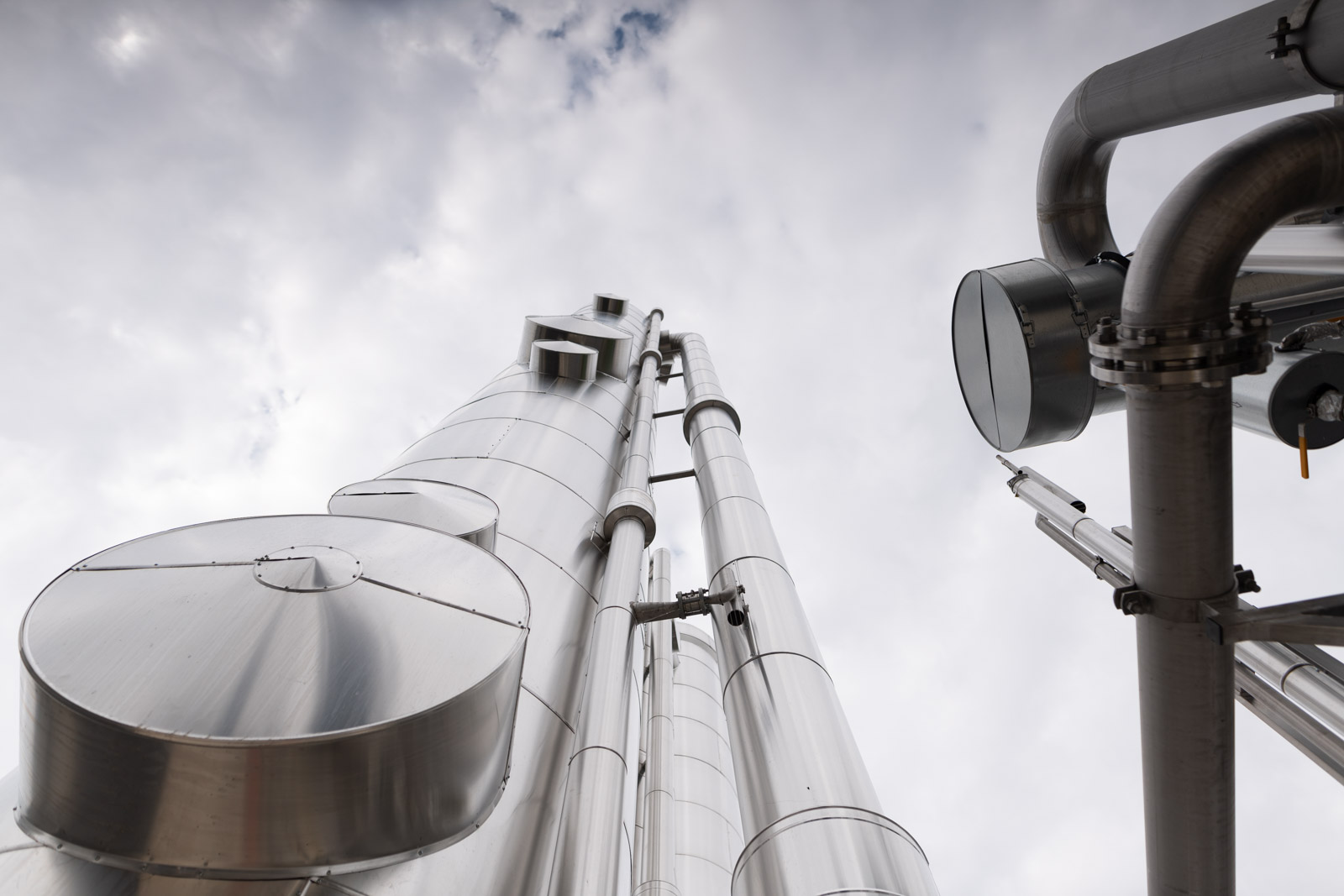
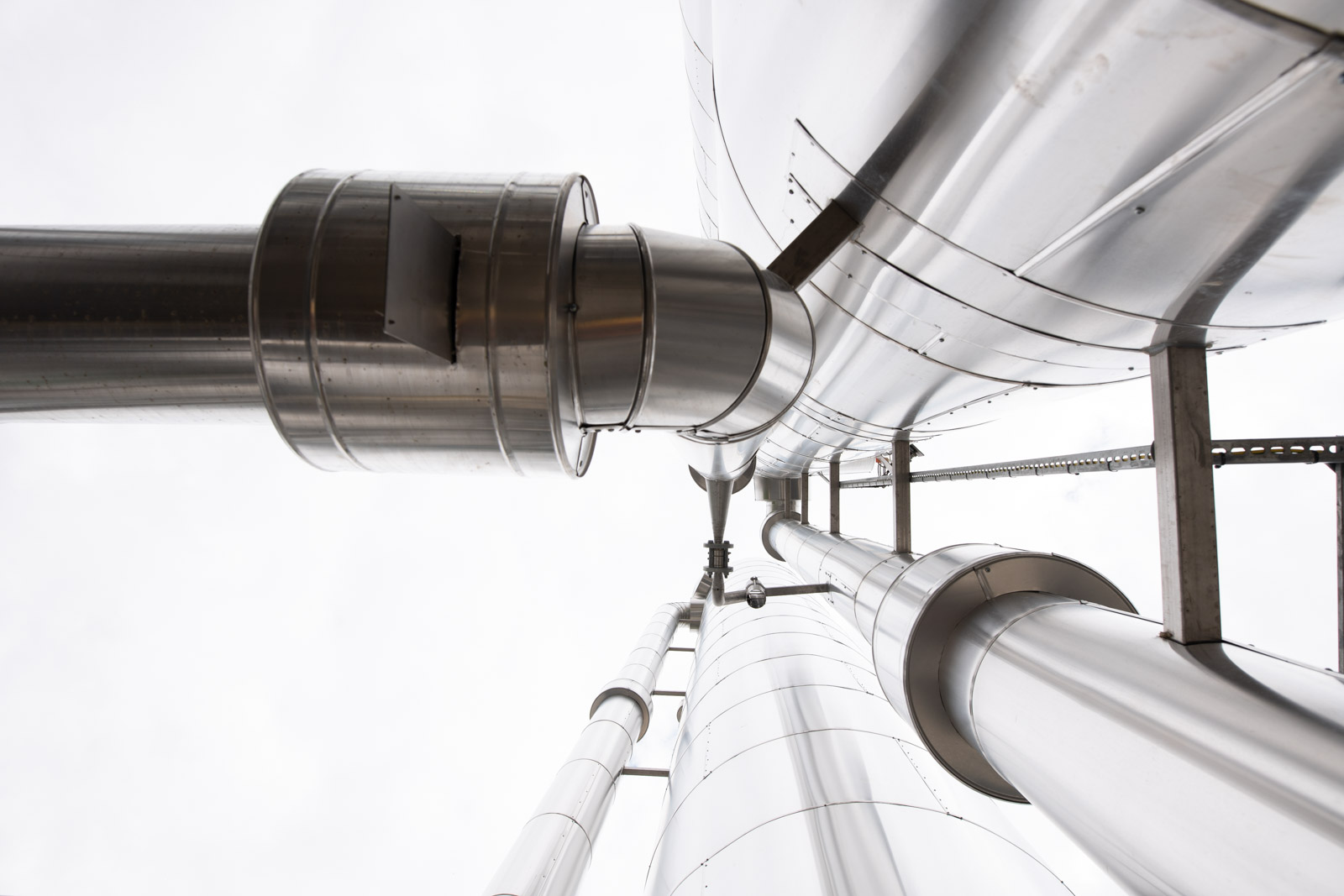
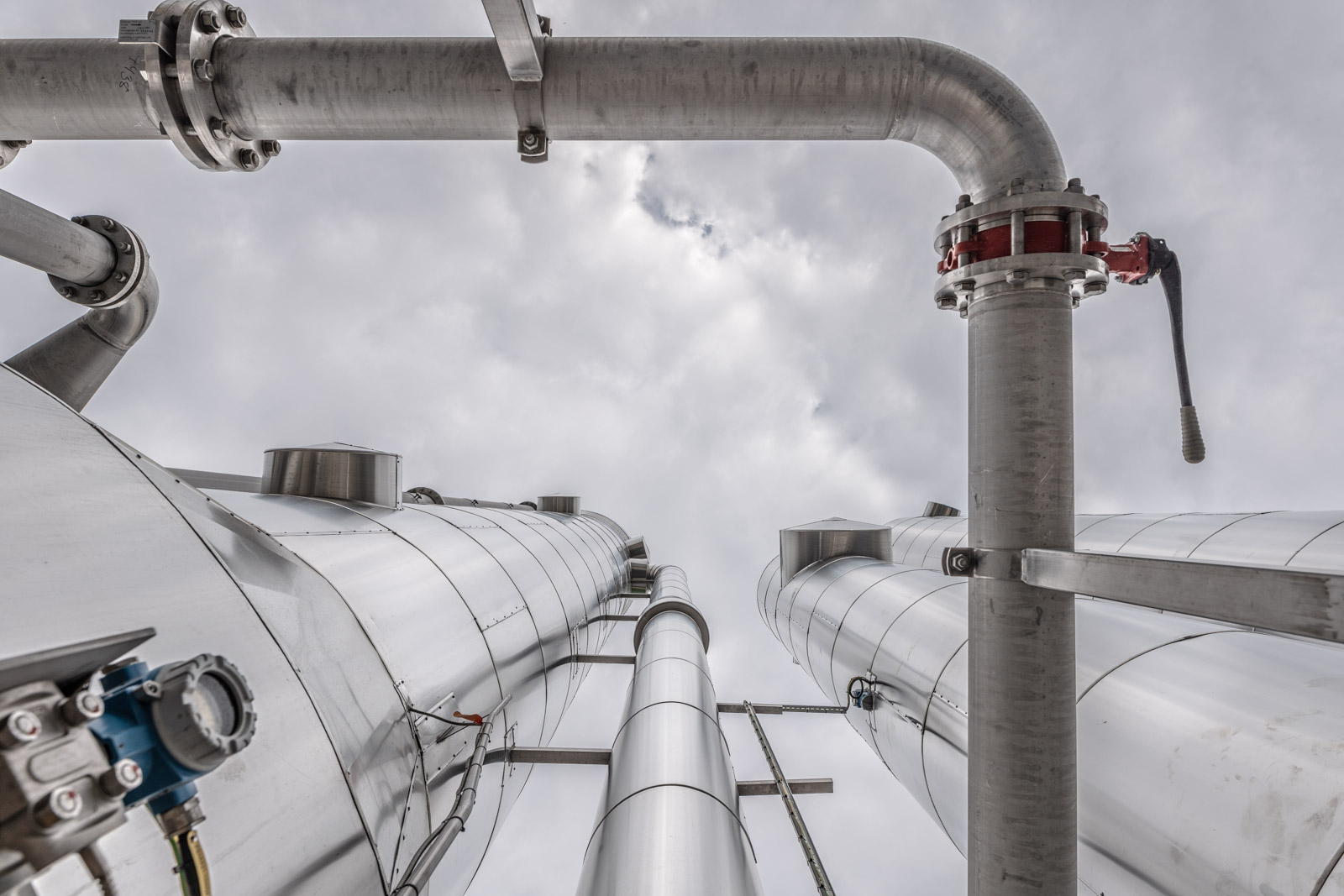
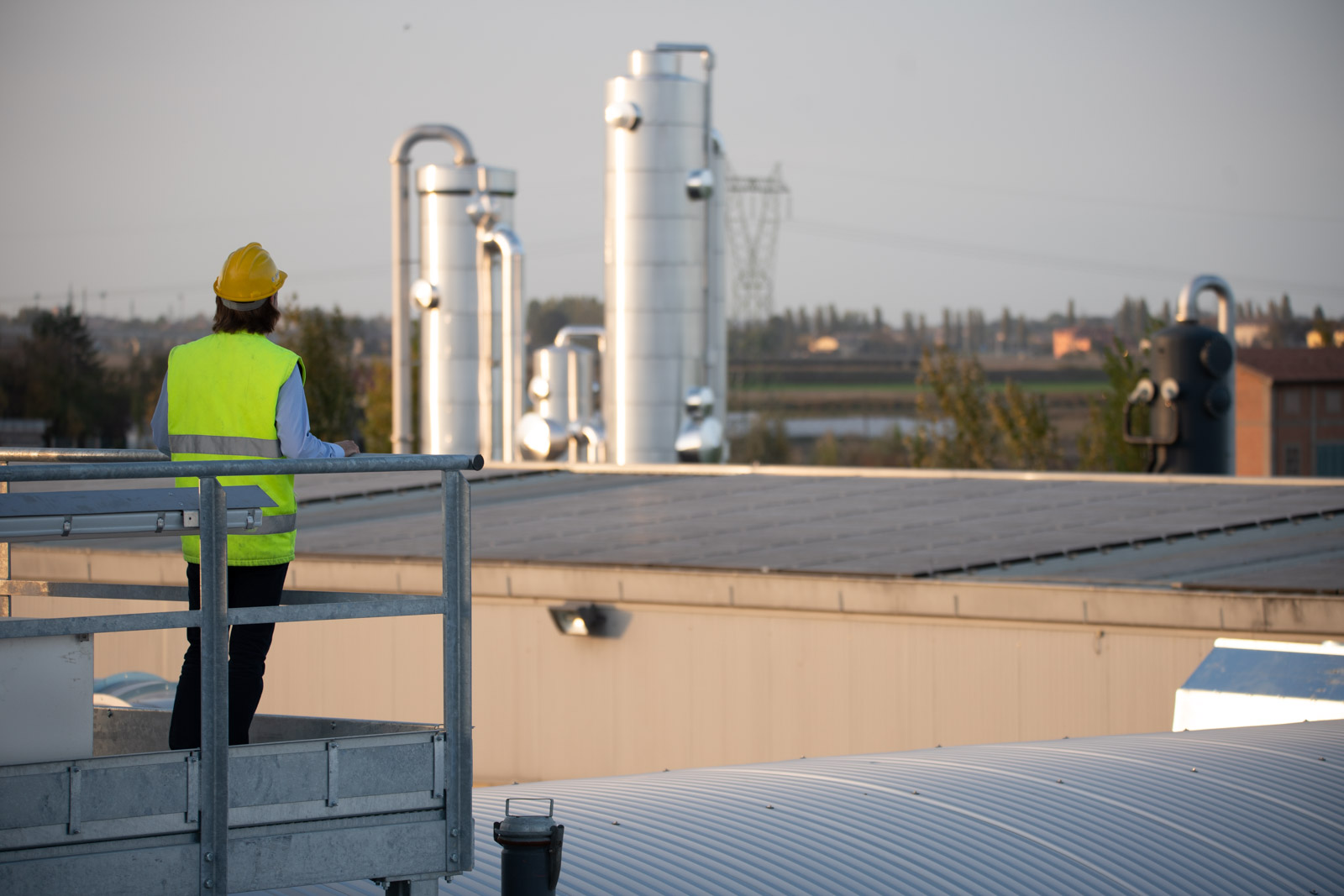
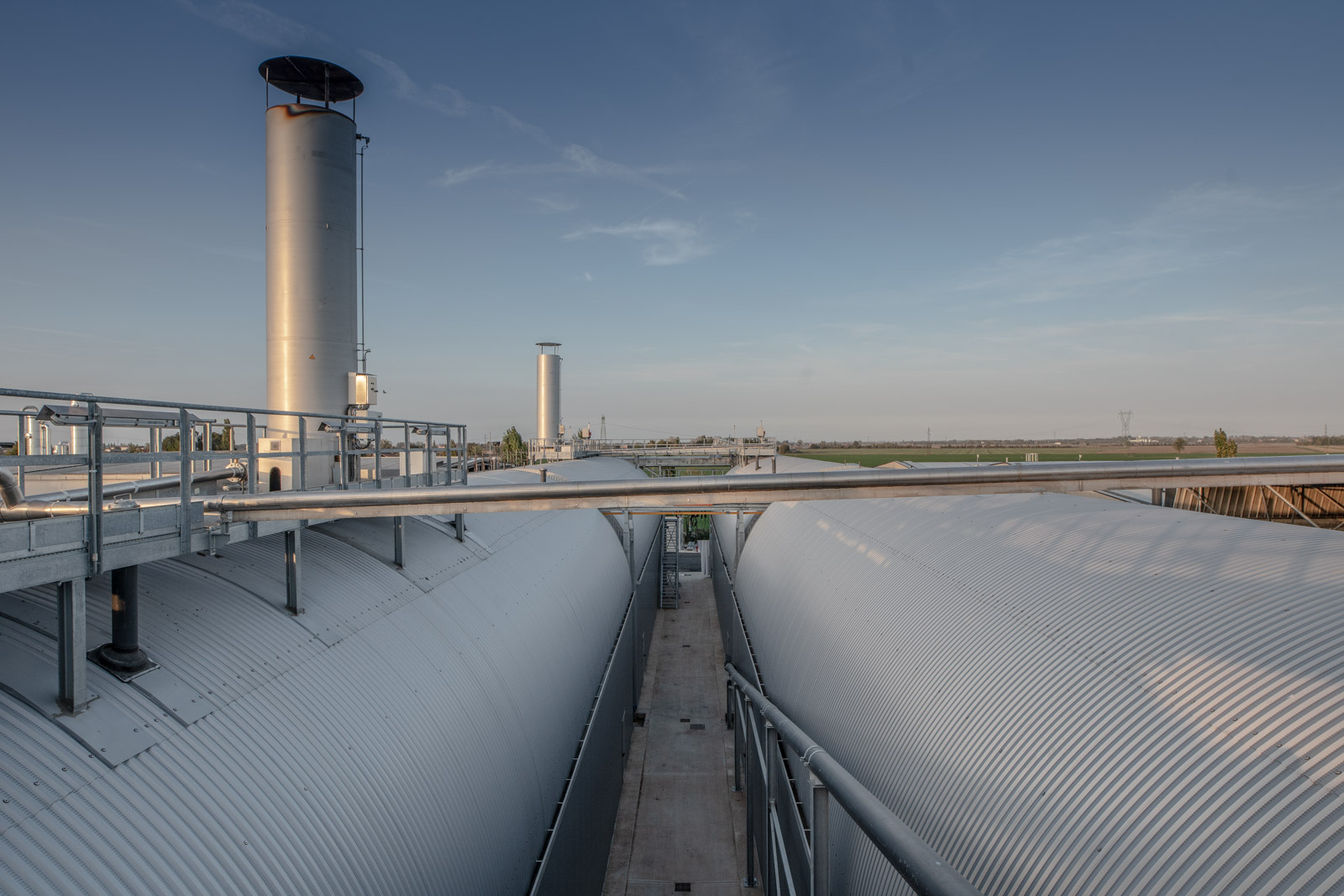
An innovative plant for the production of biomethane is in operation in Spilamberto, in the province of Modena. It was developed by the NewCo Biorg, a joint venture between the Hera Group and Inalca (Cremonini Group), through a total investment of around €28 million and the use of the best available technologies.
Starting from separately collected organic waste and agri-food effluents, the plant – the result of converting an old biodigester – produces, at full capacity, 3.7 million cubic metres of biomethane per year, a 100% renewable fuel intended for transport, and around 18,000 tonnes of compost.
A cutting-edge plant for the energy transition and the circular economy
The 100% renewable natural gas is produced through anaerobic digestion of organic waste from separate collection carried out mainly in Modena and the province, along with waste from local agri-food processing and meat production by Inalca. Once refined, it becomes biomethane and can be fed into the gas network.
Significant environmental benefits: around 7,000 tonnes of CO₂ avoided
Thanks to the injection of biomethane into the network and its use in transport, significant environmental benefits are expected. Every year, around 3,000 tonnes of oil equivalent (TOE) in fossil fuels are saved, and approximately 7,000 tonnes of CO₂ emissions are avoided. Absorbing such an amount of CO₂ would require, on average, 280,000 trees.
What happens in our plant in Sant'Agata
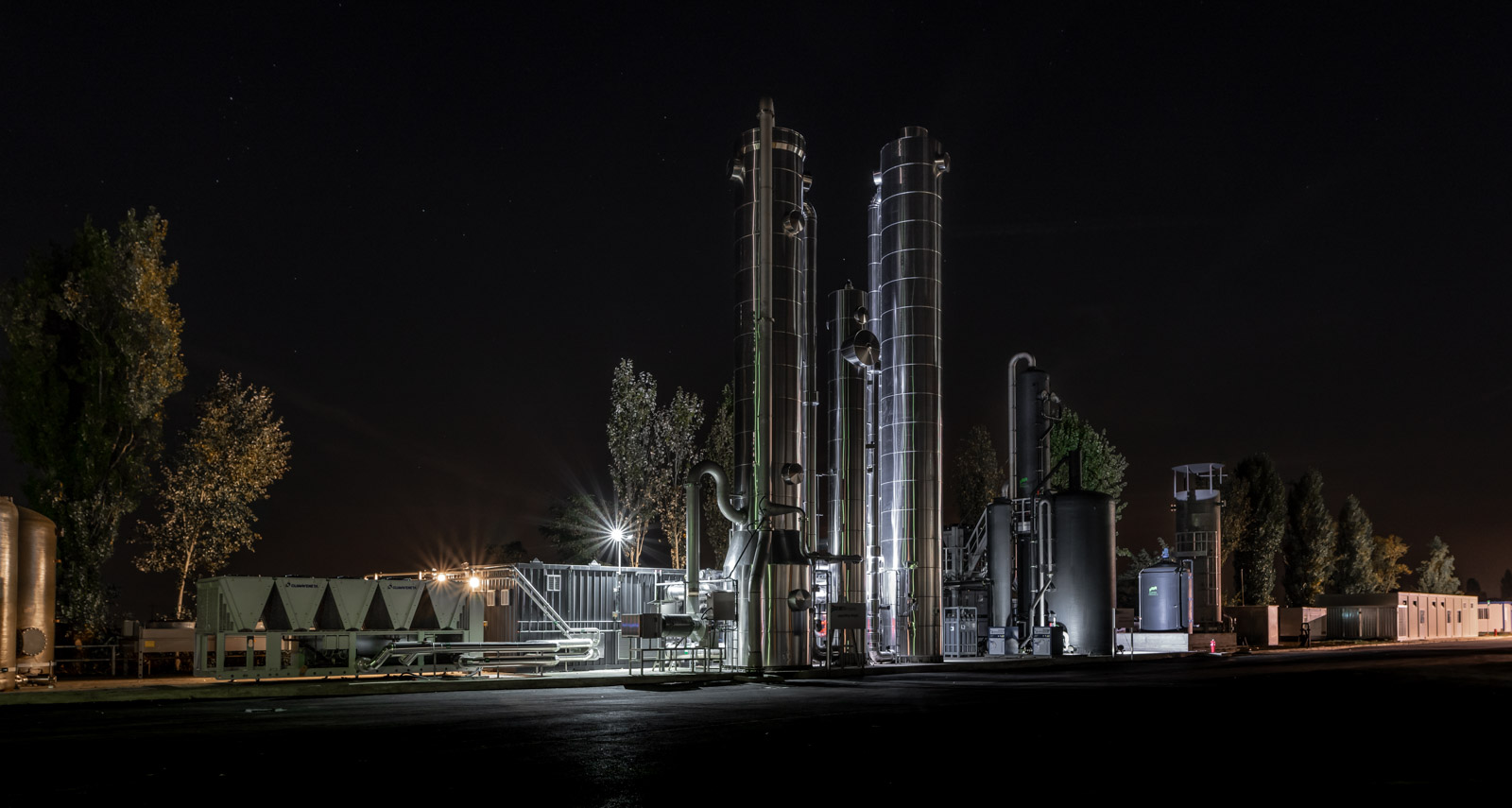
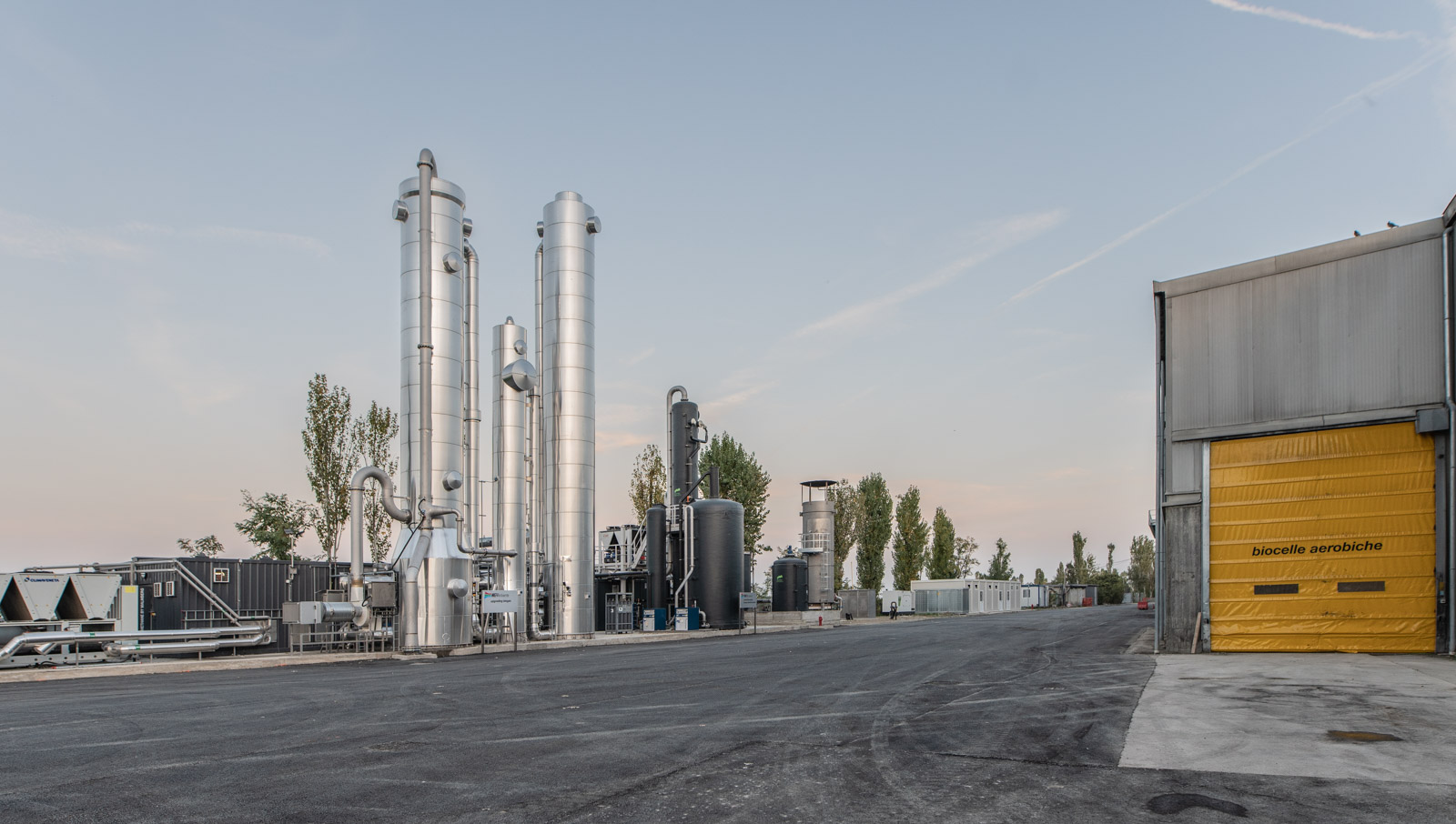
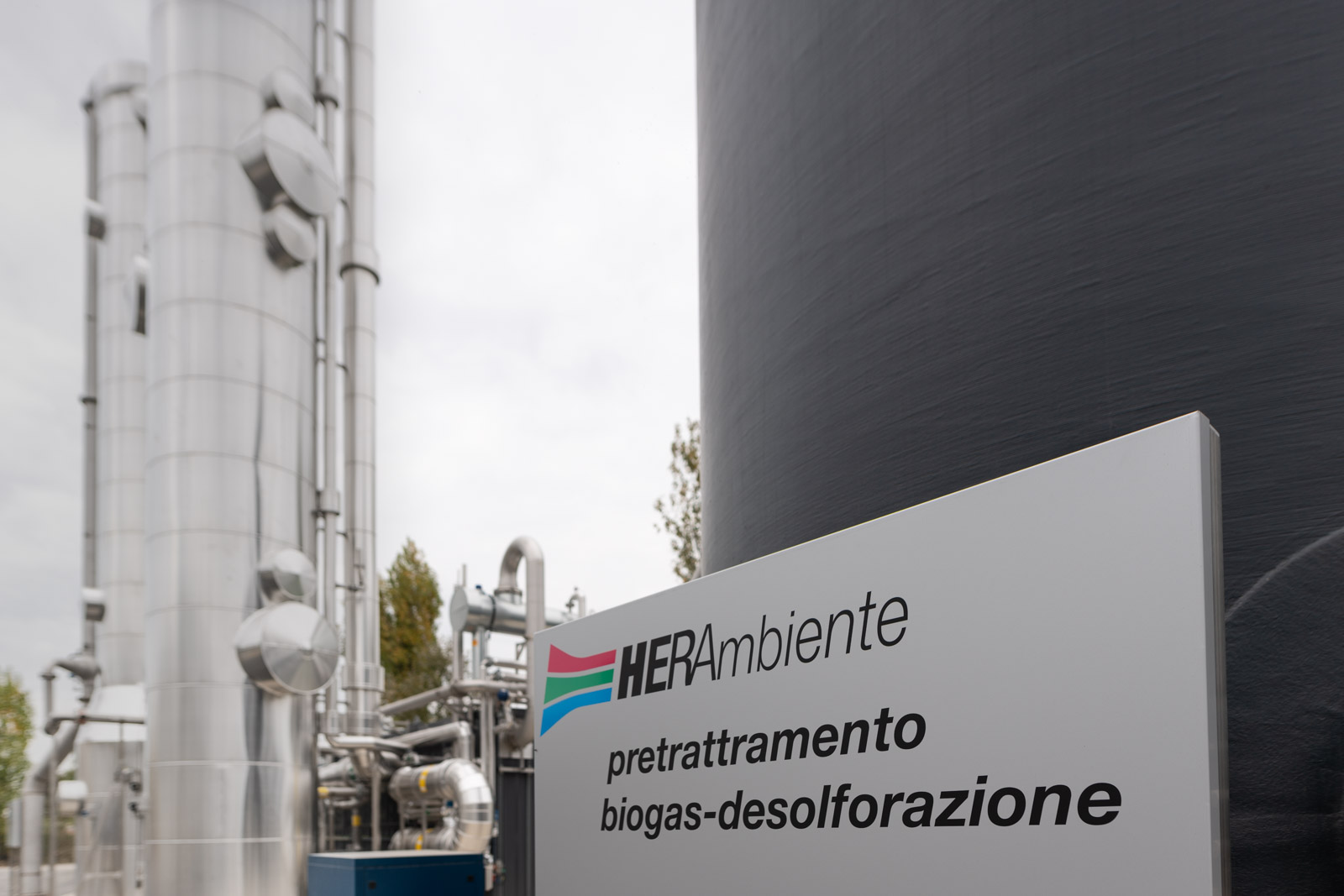
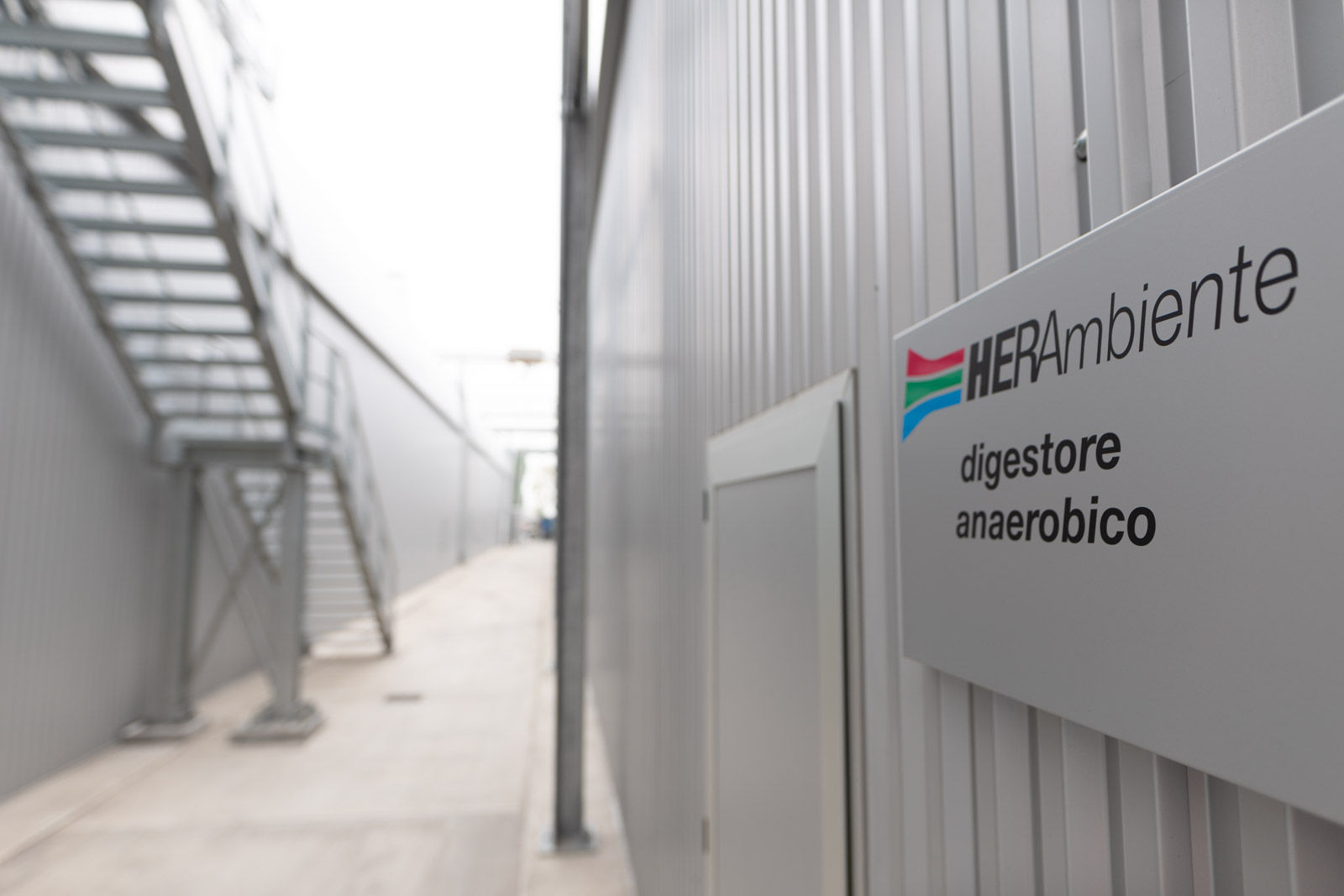
Organic waste, collected through separate waste collection, undergoes anaerobic digestion to produce biogas. This is how the process works: the waste is shredded and screened, then remains for about 21 days in four horizontal digesters, where suitable microorganisms carry out the digestion process and produce biogas (composed of methane and carbon dioxide). After this, the biogas undergoes an upgrading, or purification, phase using pressurised water: the carbon dioxide dissolves and separates from the methane. The result is biomethane, a gas with a methane content above 95%, and a completely renewable source of energy. Not only that: at the end of the digestion process, lignocellulosic material is added to the outgoing solid fraction, producing a compact mass that then undergoes composting to create high-quality compost, which can be used as potting soil or agricultural fertiliser.
Biomethane is therefore another revolution rooted in the circular economy, one that we at Hera Group are committed to advancing. We do all this with the goal of creating shared value, as Andrea Ramonda, CEO of Herambiente, emphasises: “The direction we have taken looks towards the industrial sector with an increasing focus to creating shared value and partnerships. We are aware that sustainable waste management, focused on recovery and in full compliance with regulations, is essential in today’s world and generates benefits for the entire community.”
Working together for a circular city
At Hera Group, we have joined forces with Bologna Airport and Tper to launch a circular economy project that contributes to decarbonising urban mobility and improving air quality.
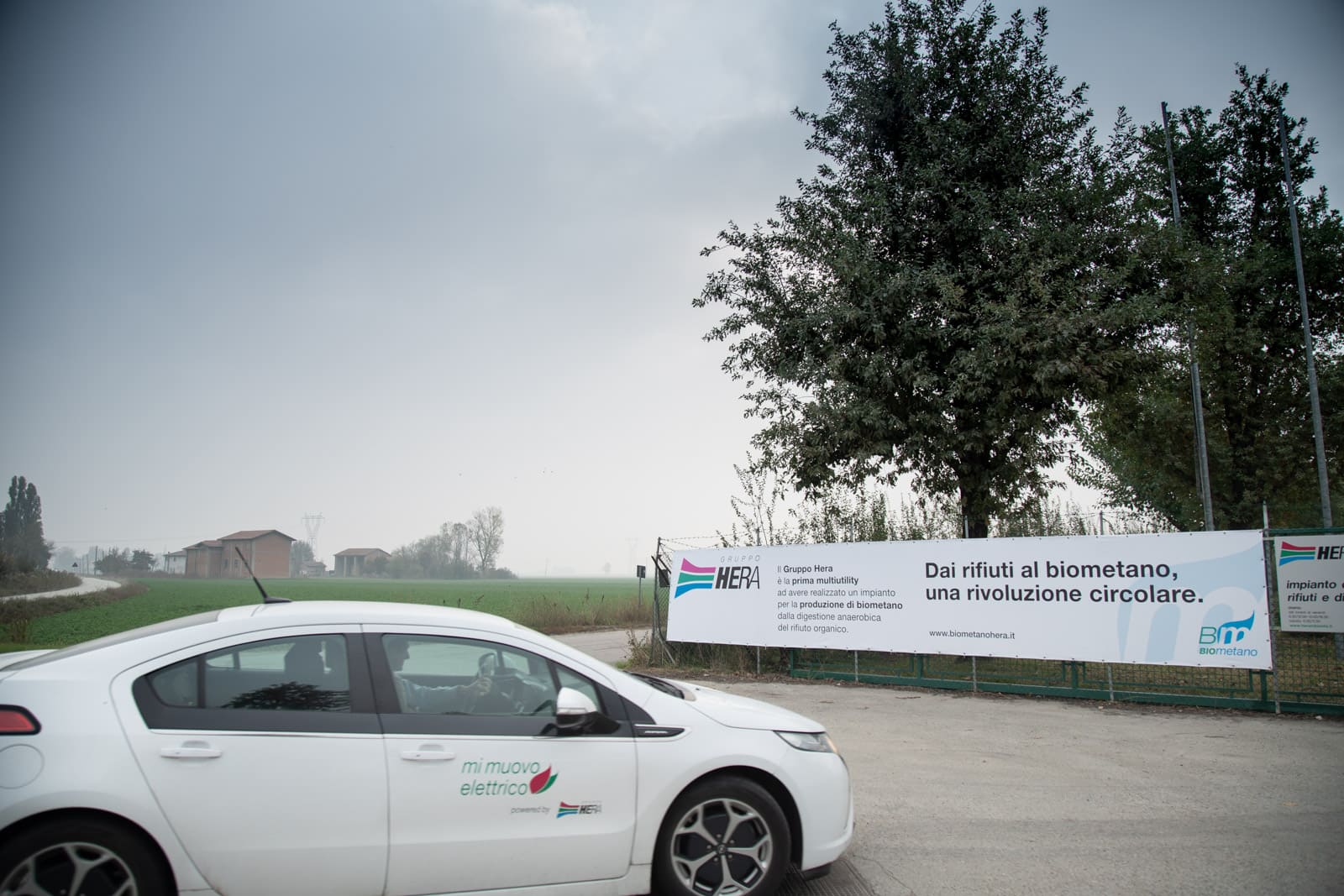
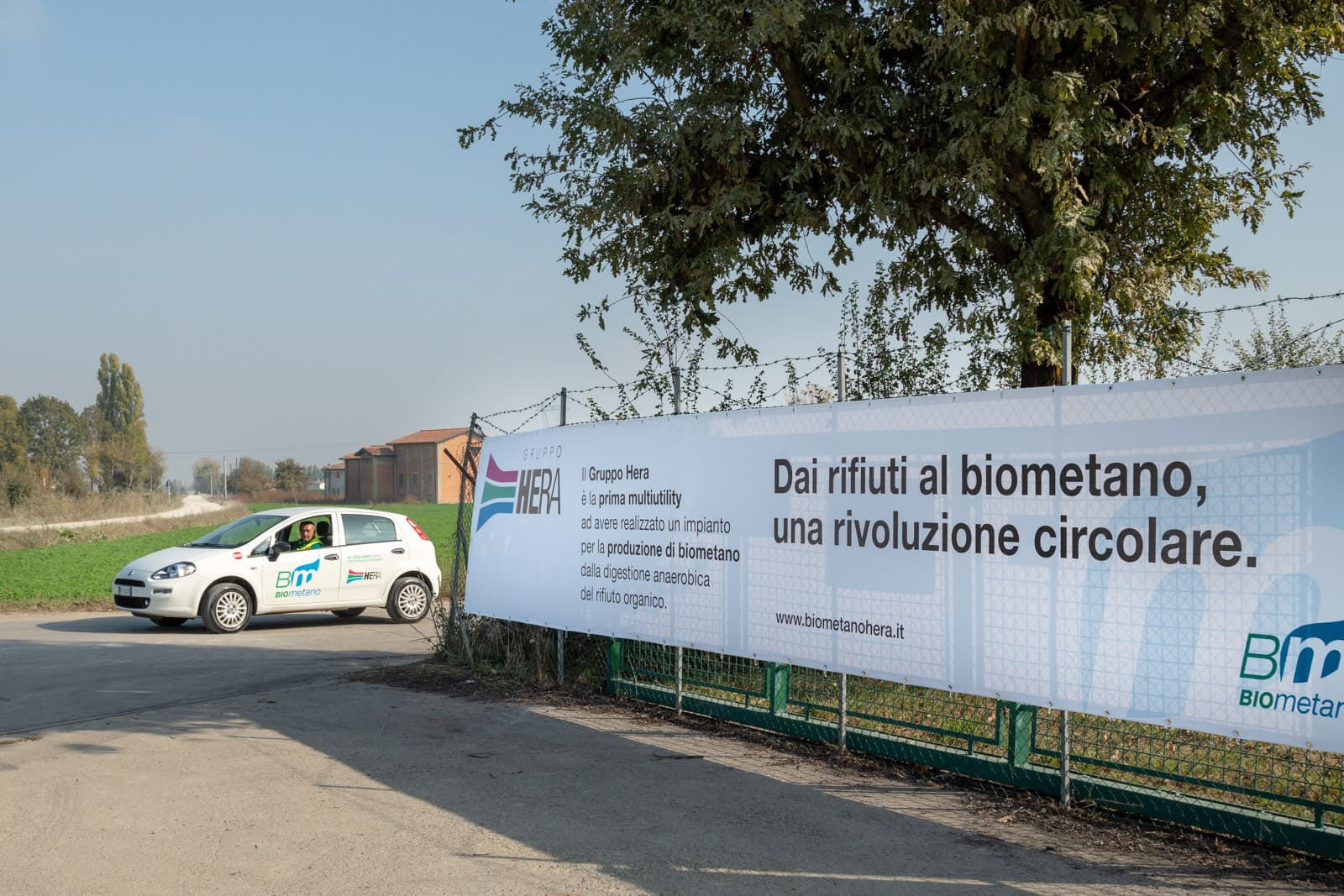
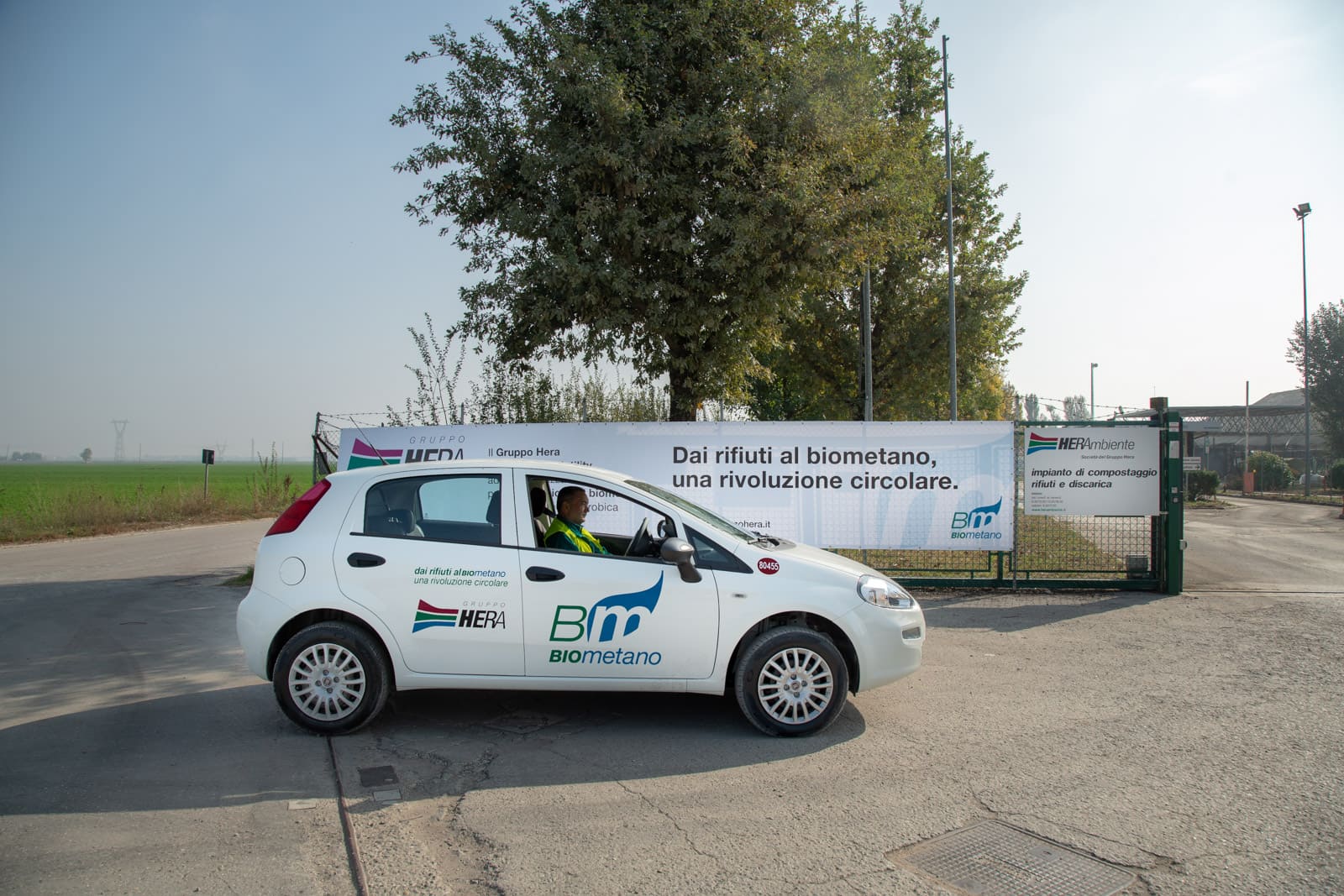
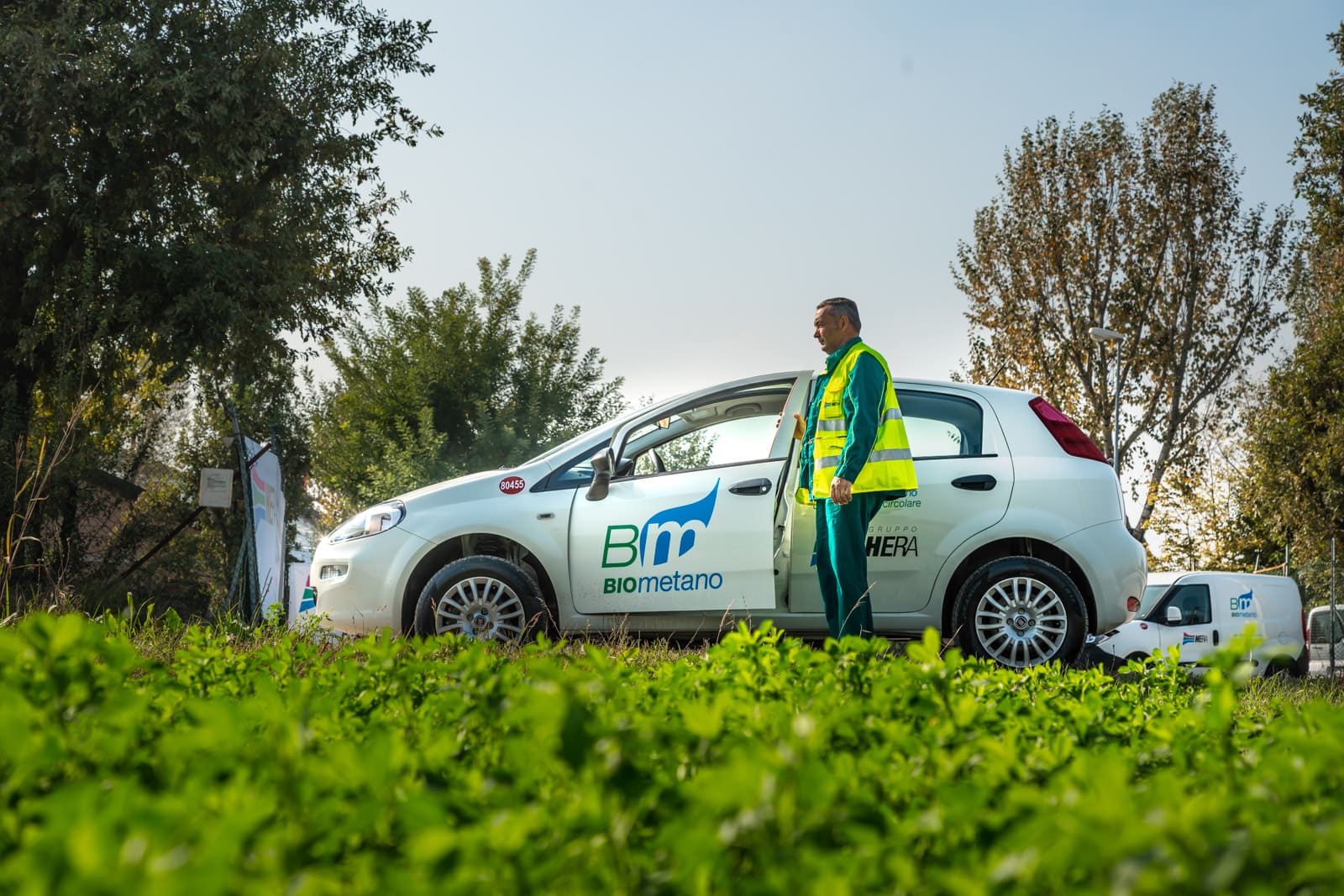
What does this partnership involve? The Airport delivers its organic waste to Hera, which collects it at the Sant'Agata Bolognese plant together with similar waste produced by citizens and transforms it into biomethane that Tper purchases to feed the fuel tanks of a significant part of its bus fleet.
This is an important step forward for our Group and for two major organisations in our area, which, like us, serve hundreds of thousands of people. We share a commitment to improvement and sustainability, in line with the UN 2030 Agenda.
Data for innovation, people for value
From silos to connected ecosystems: introducing Hera Mesh
Hera has embarked on an ambitious journey to become a data-driven company, making the most of its information assets to create value, innovation and sustainability.
To overcome the usual bottlenecks between IT and business activities, Hera has adapted Data Mesh principles to its own ecosystem, creating Hera Mesh:
- Domain ownership – Business teams are responsible for their data and treat them as a product..
- Self-service platform – Accessible tools that cut time-to-data from weeks to hours.
- Data as a Product – Every dataset is curated, documented, tested and monitored.
- Federated governance – Common rules applied automatically, without slowing local innovation.
A paradigm shift
We have adopted a new way of defining data: it is no longer a table, a spreadsheet or a database entry, but a “Product”.
Today we no longer work with tables, spreadsheets or databases, but with a network of “Data Products” linked to one another. Each of these “Products” is an “item” that contains not only the data but also the rules according to which it is transformed, making clear where it comes from and how it has been processed.
A - Data Product - is built to be shared across the company, reducing the cost of developing solutions based on the same data and optimising resources.
Our data strategy
It is not only a technological transformation. It is a profound change that puts people at the centre, guided by a Data Strategy.
Introducing the Data Strategy Strategy at Hera has led to the creation of over 650 Data Products, now available in the Group catalogue and already generating value for the company.
These Data Products provide a foundation for a wide range of reporting solutions and AI applications.
Our operating model, i.e. the way in which organisational units collaborate to create and use Data Products, is based on an approach bringing business experts and developers together to co-design the software.
The model also uses a hub spoke structure, in which the central hub provides core services such as technology and support, while the spokes (in the business units) are responsible for data management, processing and use.
Alongside the technology, people play a central role in this highly innovative approach. For this reason, we have defined competency profiles that represent the key roles involved in creating and consuming Data Products.
Each Data Product has an owner (Data Product Owner) who defines its scope, features and life cycle. It is managed by a dedicated steward (Data Product Steward), who defines the transformation and controls quality, to provide colleagues with reliable data.
The Data Strategy is not just a set of principles and components. It is a cultural and organisational change process. For this reason, the Hera Group has launched a change management plan that provides training, communication and engagement opportunities across the company.