
Menu Display


Alert Web

HeraAssetPublisherFilterComuneSelector

Algae to Value: wastewater turns into a benefit for agriculture

Testata Focus

Testata Focus

Category Facet

category

Custom Facet

ddmStructureKey

Search Results

13 Results for

Asset Publisher

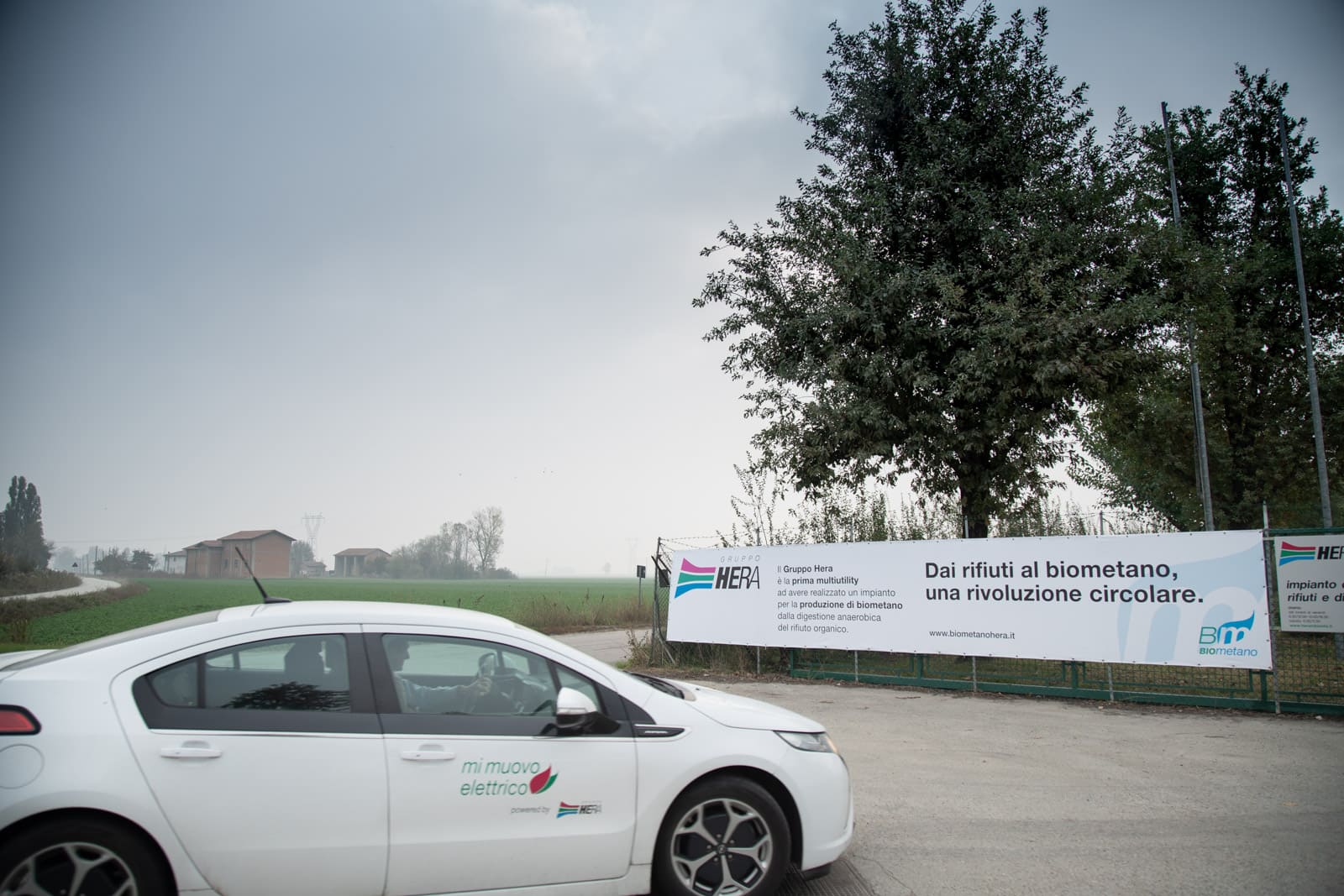
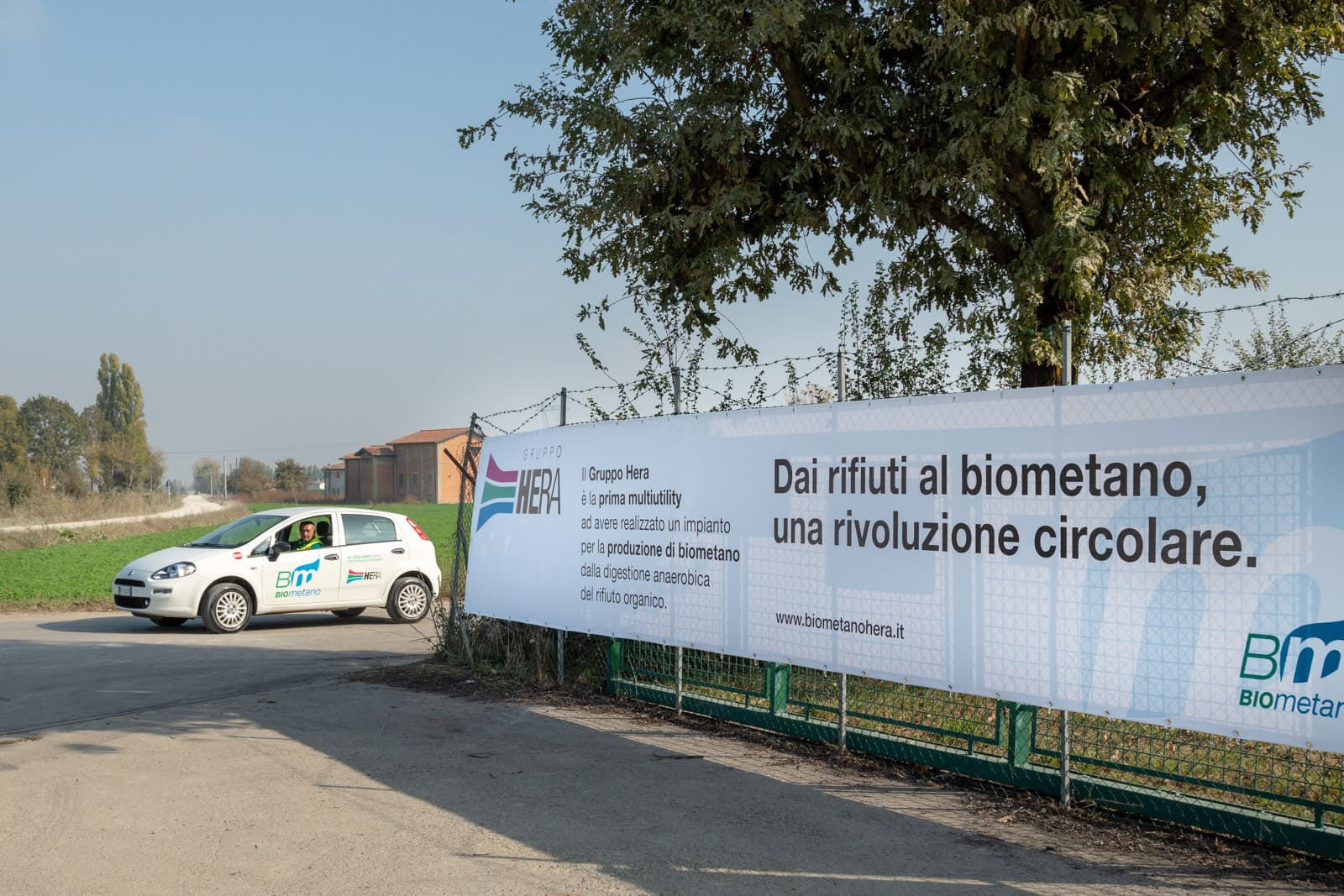
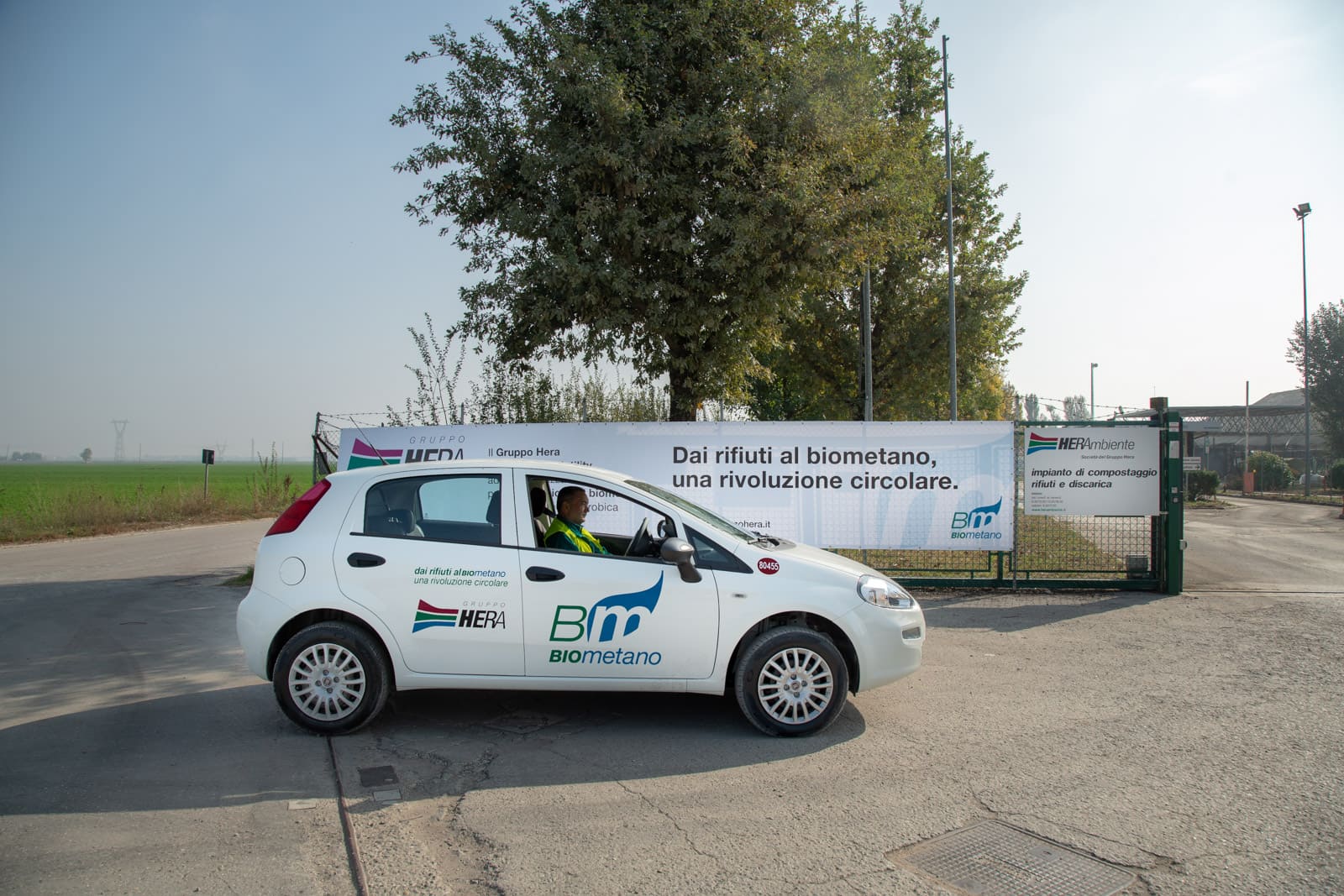
From organic waste to biomethane, a circular revolution

A revolution rooted in the circular economy: thanks to separate waste collection, organic waste is fed into an anaerobic digestion process to produce biogas.

Biomethane: a clean resource of biological origin

So, what makes this source of methane “bio”? Quite simply, it’s how it is produced: not by drilling into deep underground deposits, but by fermenting organic waste in dedicated facilities. Biomethane can be produced continuously, it is inexhaustible, and production can be increased simply by building more plants. This makes it one of the clearest examples of a circular economy.


In Spilamberto, a biodigester converted into a biomethane plant

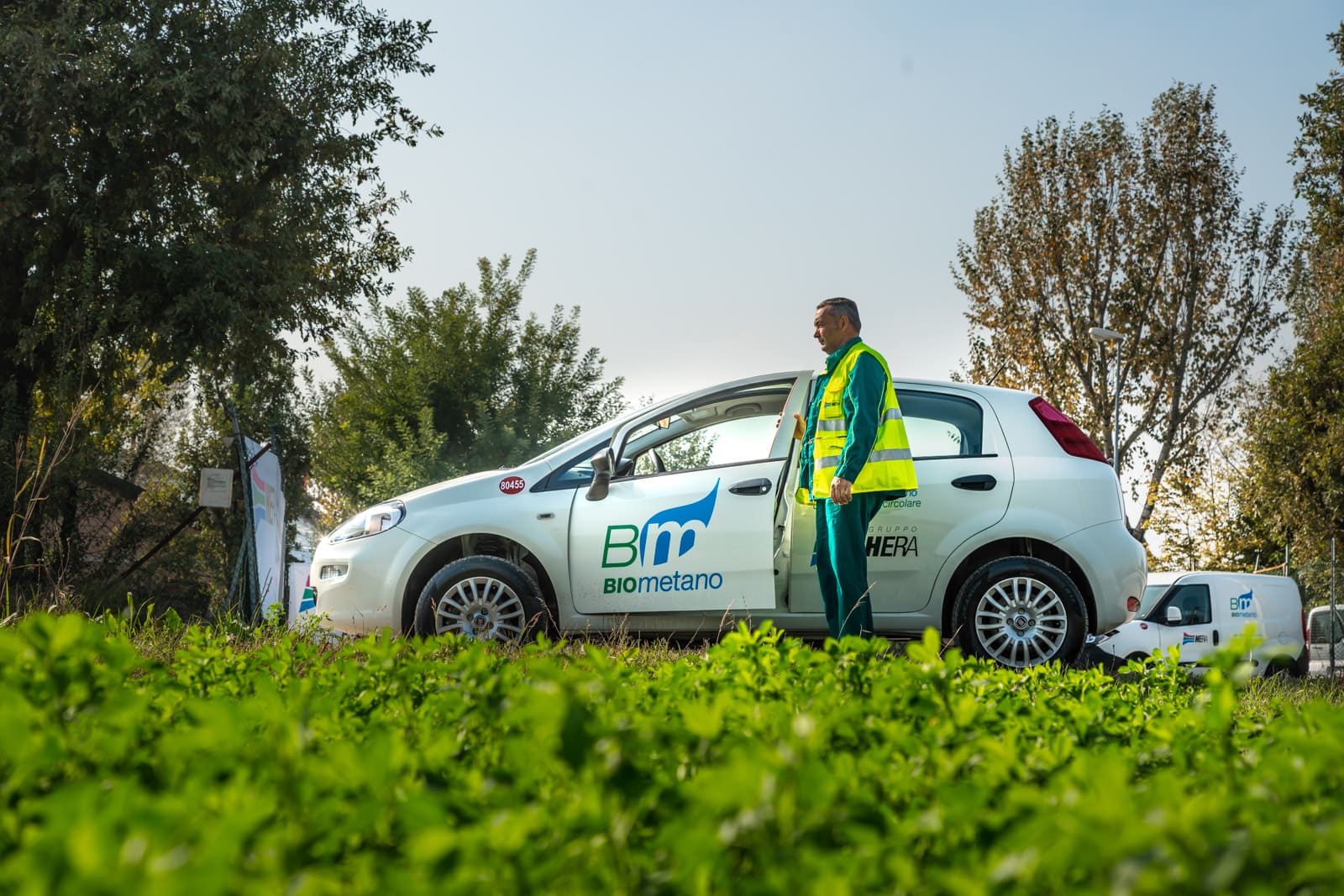
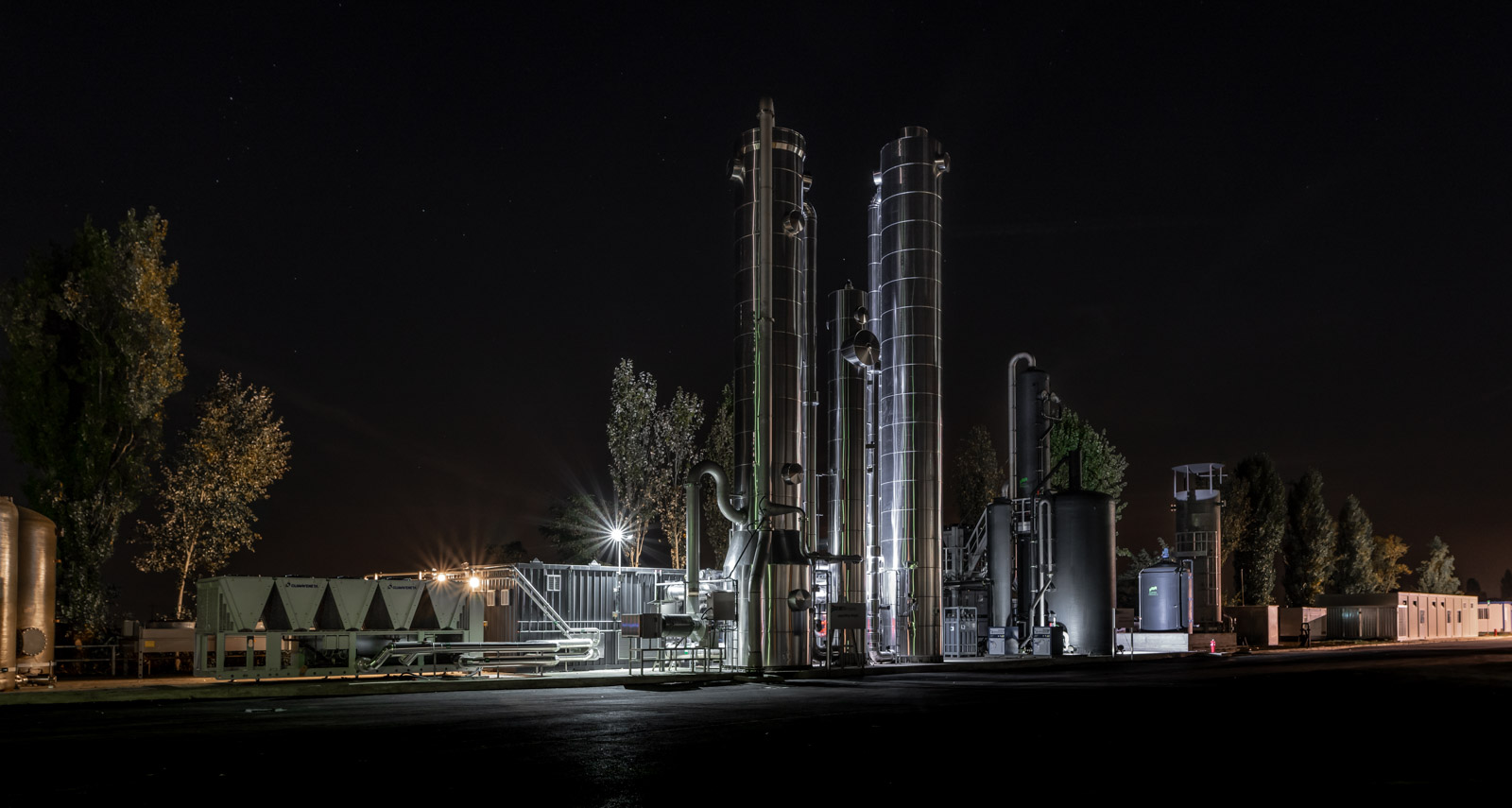
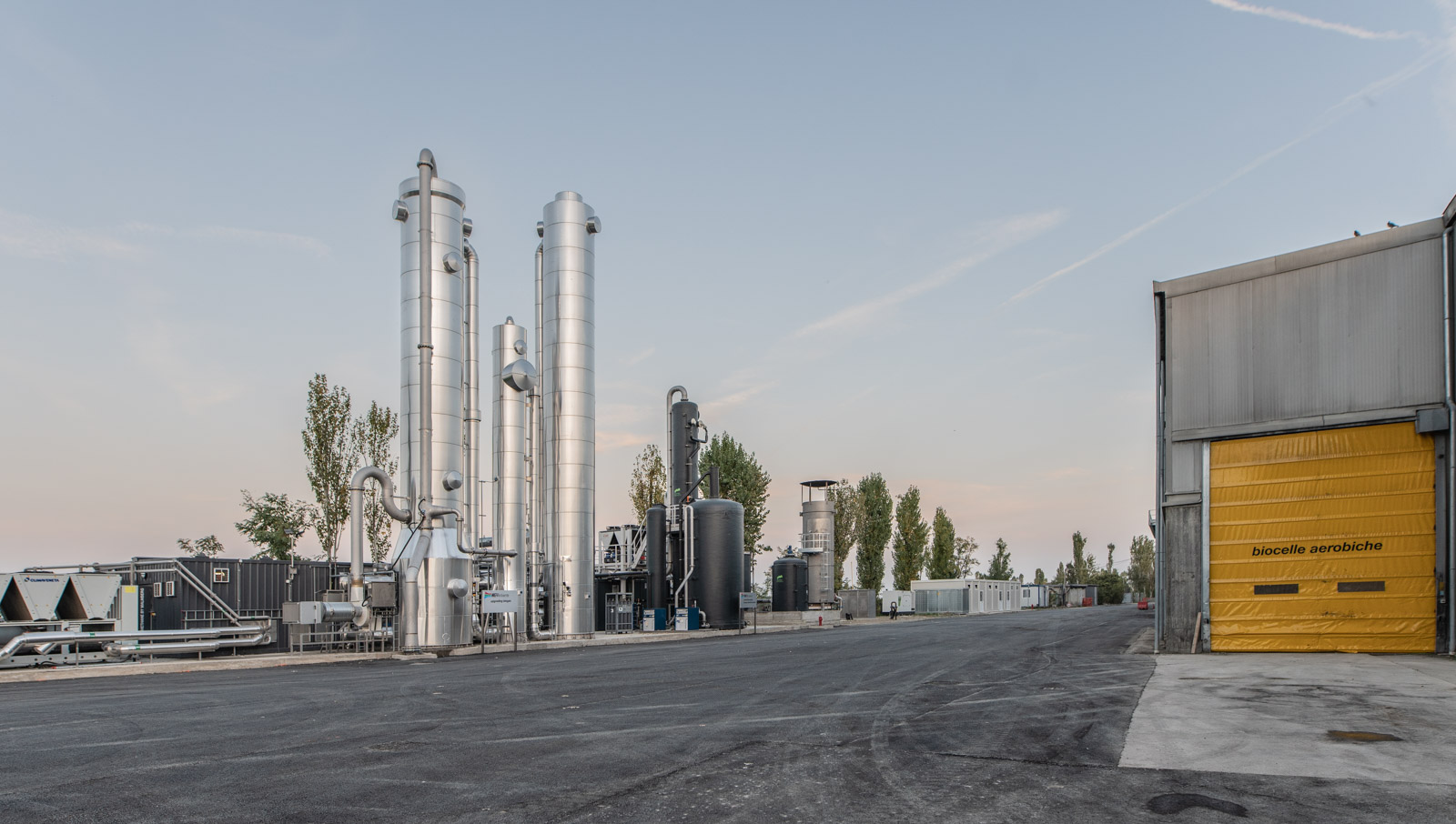
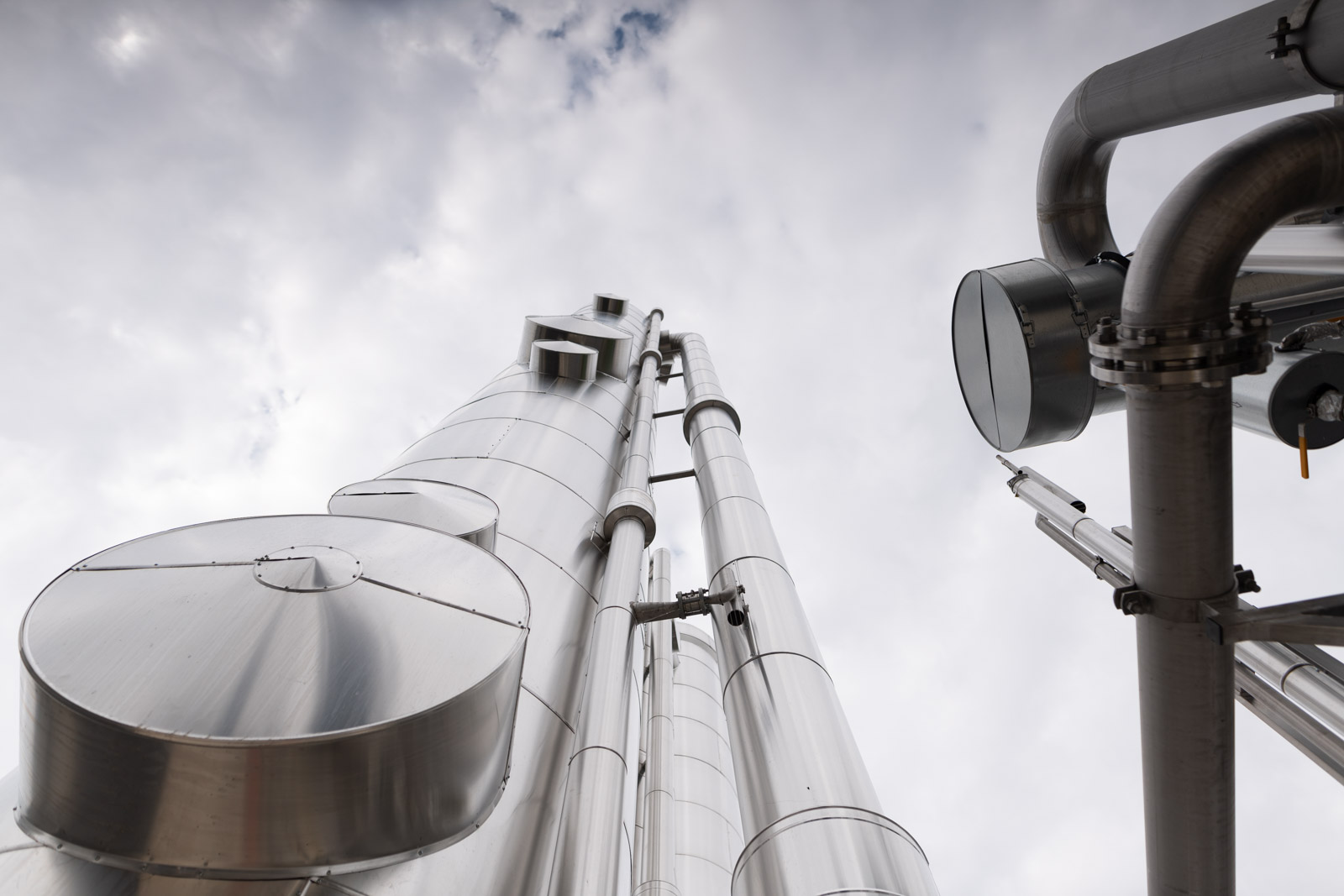
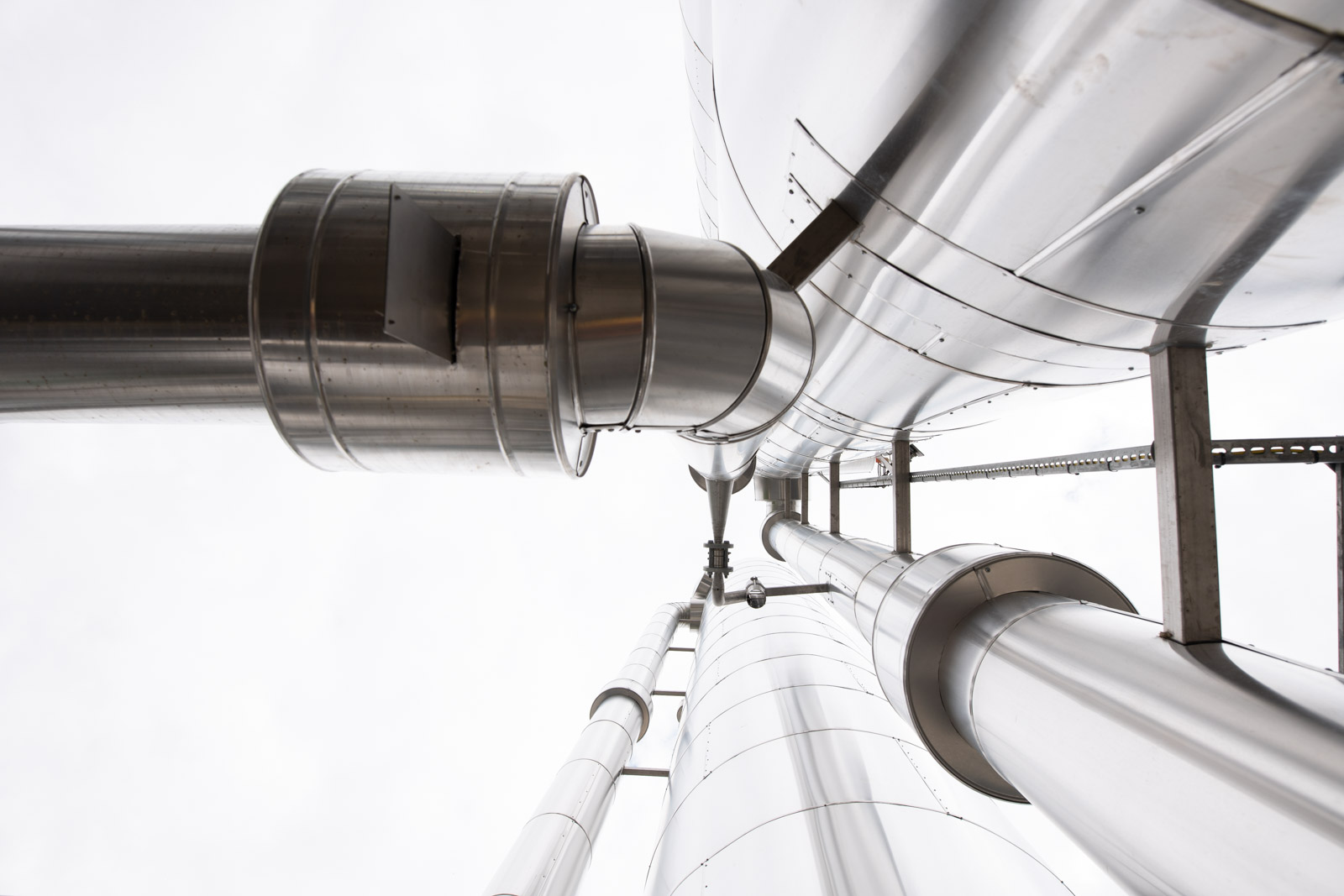
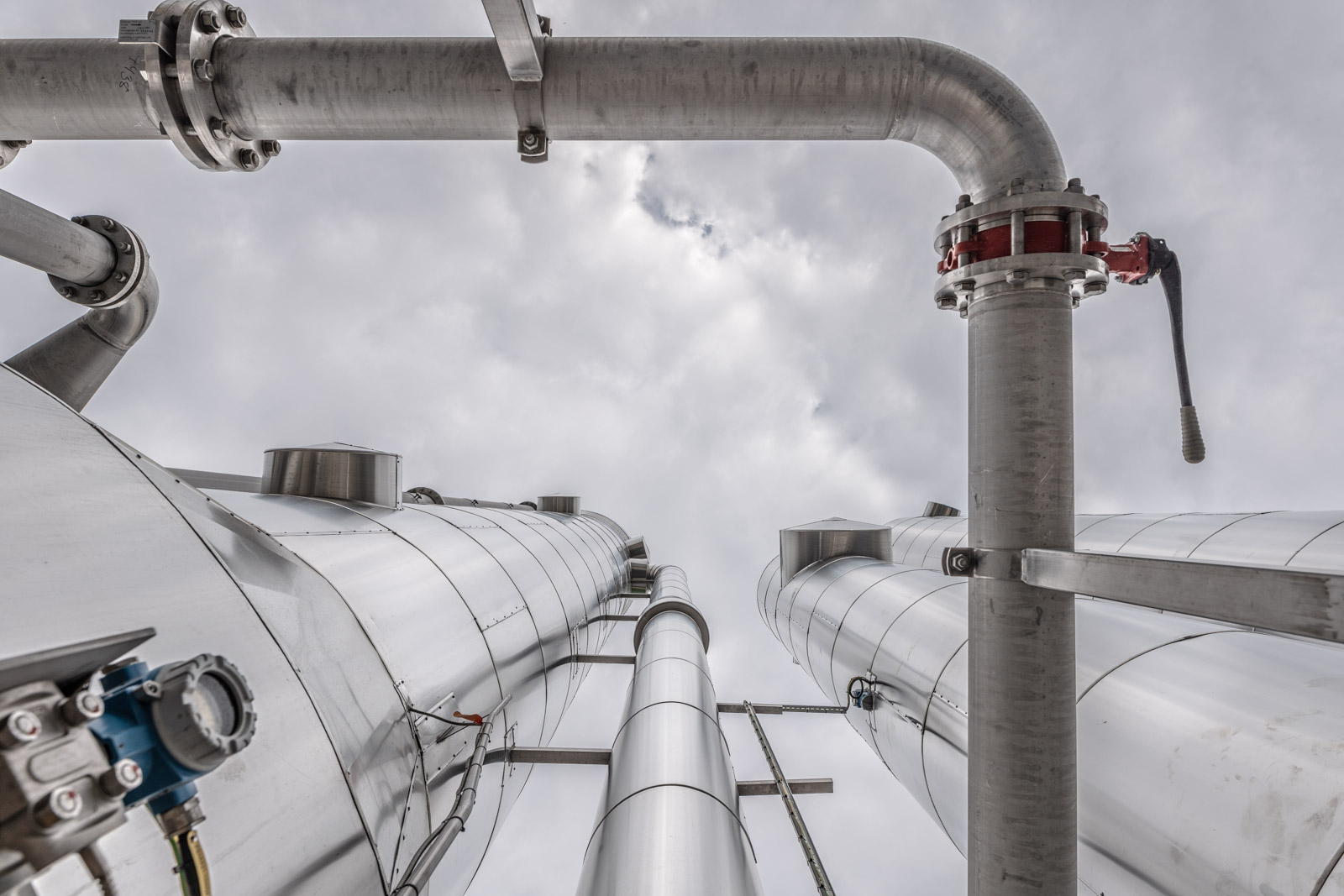
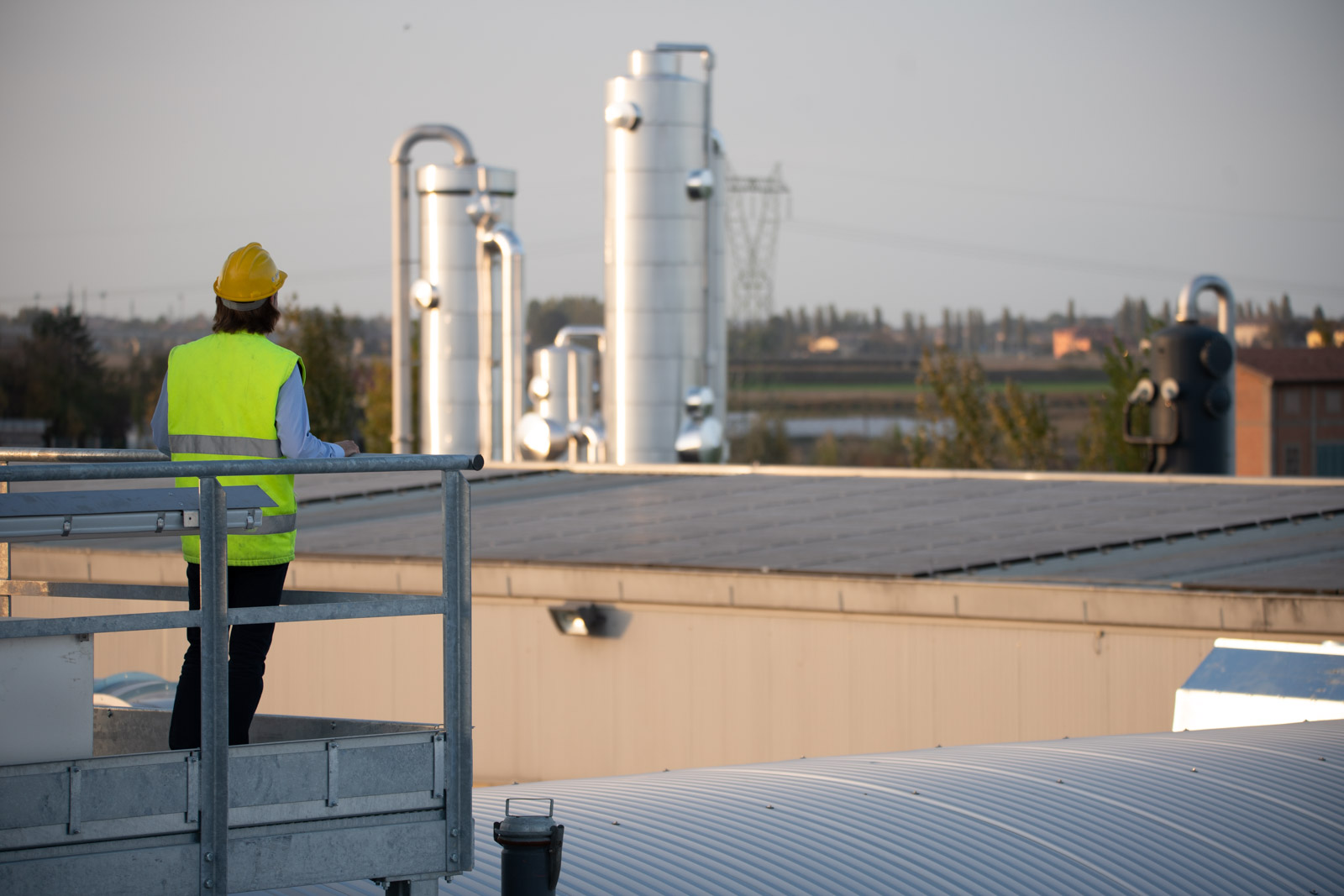
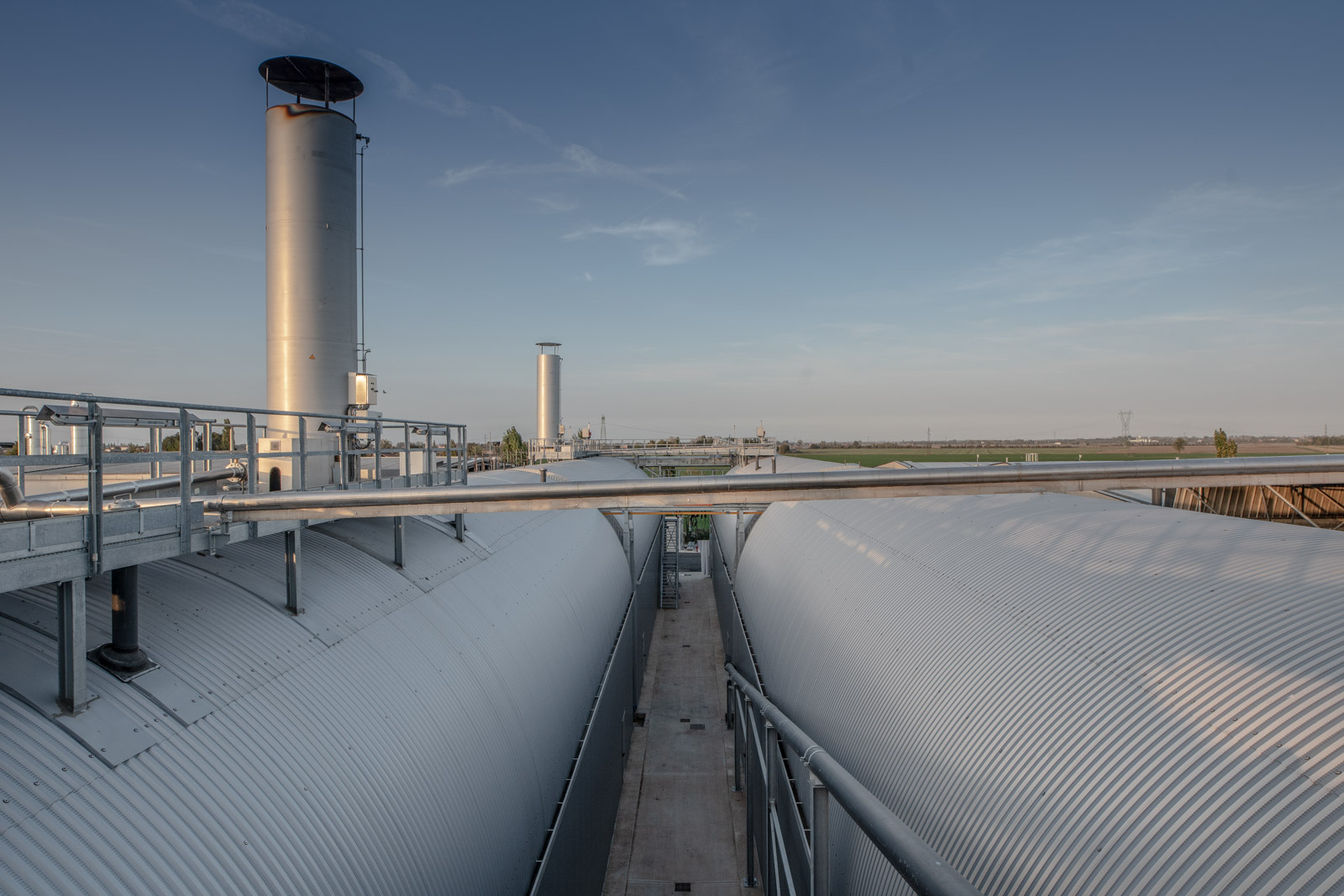
An innovative plant for the production of biomethane is in operation in Spilamberto, in the province of Modena. It was developed by the NewCo Biorg, a joint venture between the Hera Group and Inalca (Cremonini Group), through a total investment of around €28 million and the use of the best available technologies.

Starting from separately collected organic waste and agri-food effluents, the plant – the result of converting an old biodigester – produces, at full capacity, 3.7 million cubic metres of biomethane per year, a 100% renewable fuel intended for transport, and around 18,000 tonnes of compost.

A cutting-edge plant for the energy transition and the circular economy
The 100% renewable natural gas is produced through anaerobic digestion of organic waste from separate collection carried out mainly in Modena and the province, along with waste from local agri-food processing and meat production by Inalca. Once refined, it becomes biomethane and can be fed into the gas network.

Significant environmental benefits: around 7,000 tonnes of CO₂ avoided
Thanks to the injection of biomethane into the network and its use in transport, significant environmental benefits are expected. Every year, around 3,000 tonnes of oil equivalent (TOE) in fossil fuels are saved, and approximately 7,000 tonnes of CO₂ emissions are avoided. Absorbing such an amount of CO₂ would require, on average, 280,000 trees.


What happens in our plant in Sant'Agata

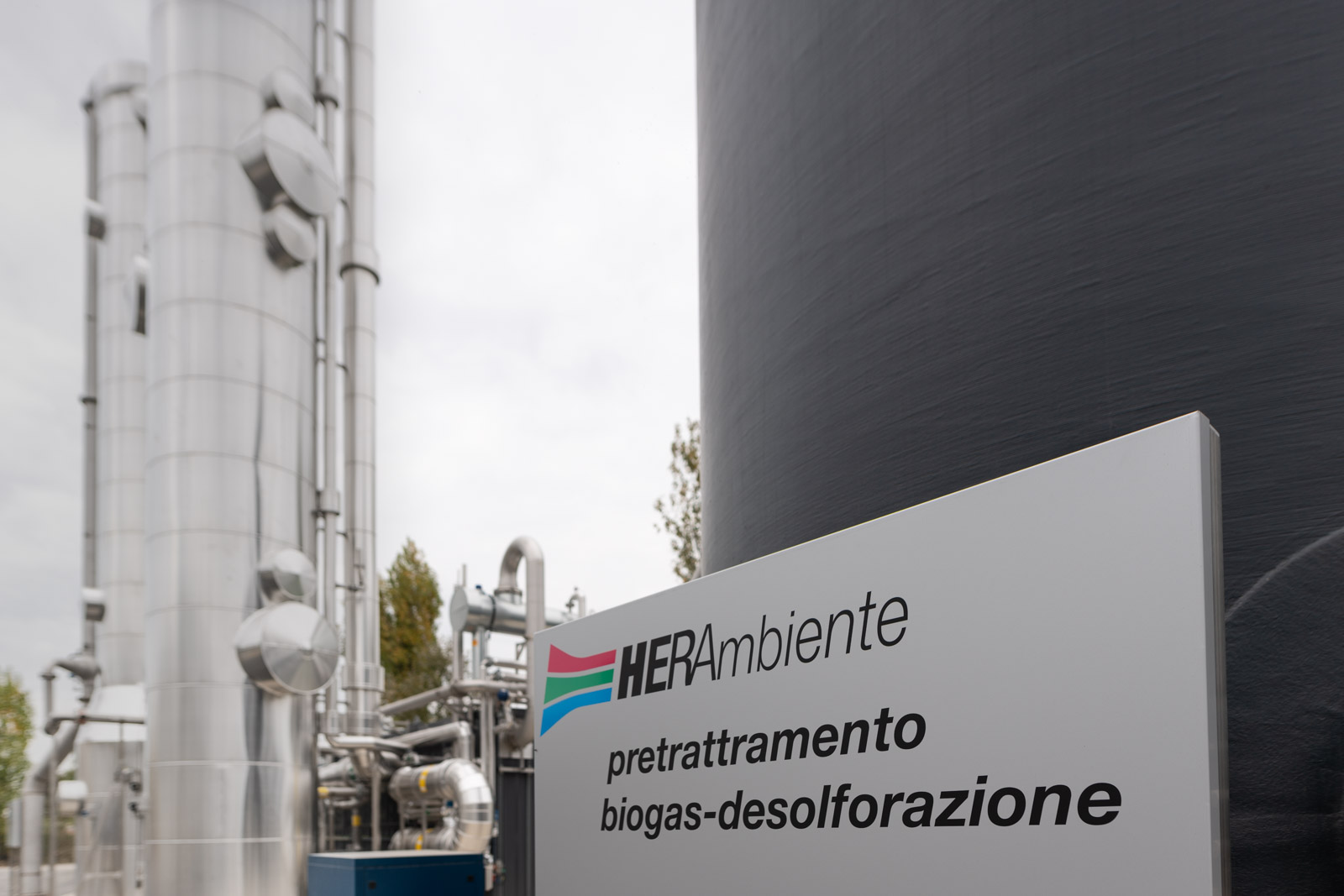
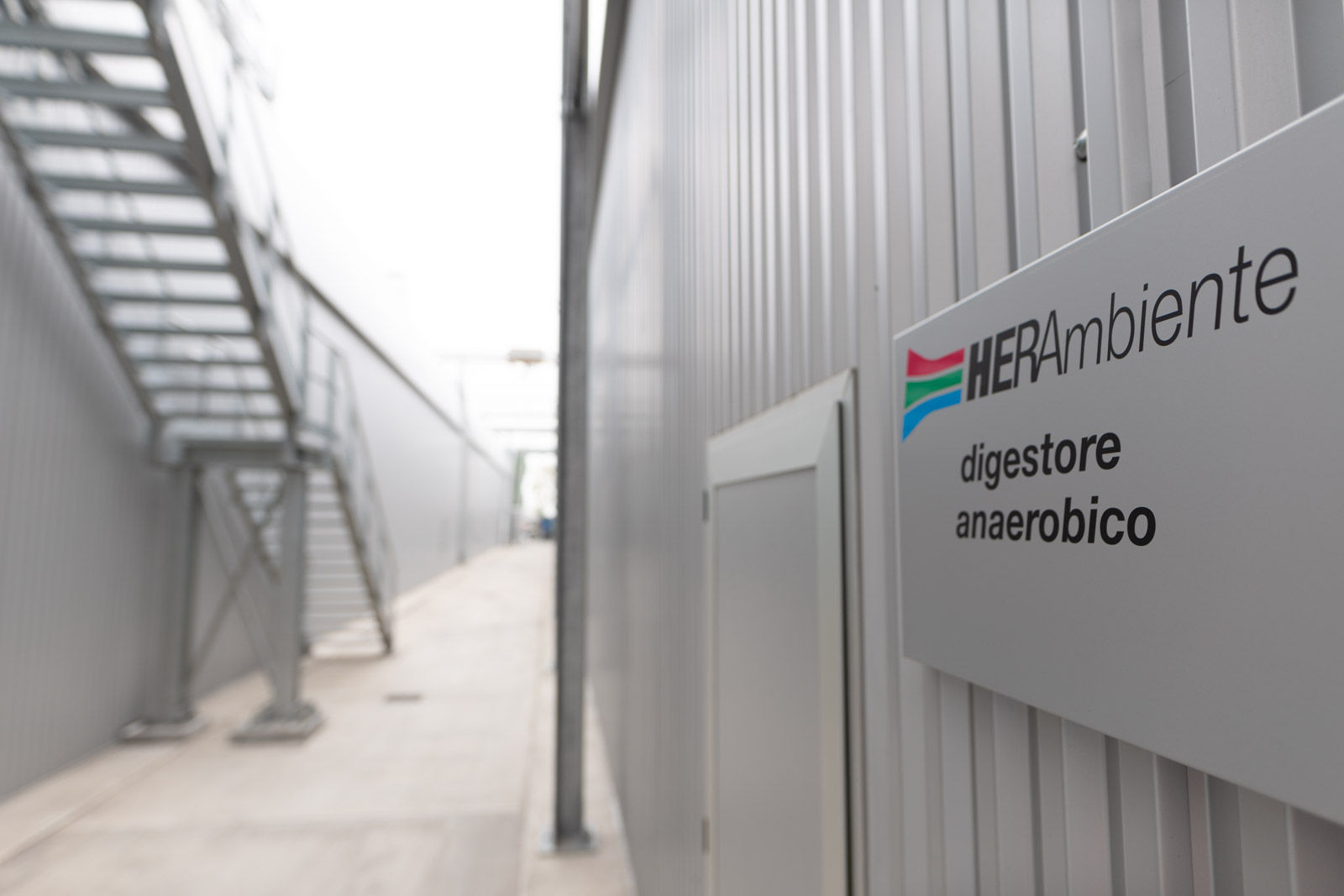
Organic waste, collected through separate waste collection, undergoes anaerobic digestion to produce biogas. This is how the process works: the waste is shredded and screened, then remains for about 21 days in four horizontal digesters, where suitable microorganisms carry out the digestion process and produce biogas (composed of methane and carbon dioxide). After this, the biogas undergoes an upgrading, or purification, phase using pressurised water: the carbon dioxide dissolves and separates from the methane. The result is biomethane, a gas with a methane content above 95%, and a completely renewable source of energy. Not only that: at the end of the digestion process, lignocellulosic material is added to the outgoing solid fraction, producing a compact mass that then undergoes composting to create high-quality compost, which can be used as potting soil or agricultural fertiliser.

Biomethane is therefore another revolution rooted in the circular economy, one that we at Hera Group are committed to advancing. We do all this with the goal of creating shared value, as Andrea Ramonda, CEO of Herambiente, emphasises: “The direction we have taken looks towards the industrial sector with an increasing focus to creating shared value and partnerships. We are aware that sustainable waste management, focused on recovery and in full compliance with regulations, is essential in today’s world and generates benefits for the entire community.”
 

Working together for a circular city

At Hera Group, we have joined forces with Bologna Airport and Tper to launch a circular economy project that contributes to decarbonising urban mobility and improving air quality.

What does this partnership involve? The Airport delivers its organic waste to Hera, which collects it at the Sant'Agata Bolognese plant together with similar waste produced by citizens and transforms it into biomethane that Tper purchases to feed the fuel tanks of a significant part of its bus fleet.


This is an important step forward for our Group and for two major organisations in our area, which, like us, serve hundreds of thousands of people. We share a commitment to improvement and sustainability, in line with the UN 2030 Agenda.
[business-activities/focus] hidden search categories

Tag Facet

Tag

Search Results

Focus
Water Project

Advanced wastewater management: resilience and reuse for the integrated water service

Wastewater management is undergoing a profound transformation. With increasingly resilient purification systems and technologies that enable reuse, the integrated water service is evolving towards a circular model.
Focus
Water Project

Water Living Lab: circular economy applied to research

The plant removes any micropollutants from water using innovative materials resulting from the recovery of waste products from the biomedical industry.
Focus
Water Project
Digitalisation

Hera begins a study to strengthen the resilience of the sewer systems serving the municipalities of the province of Ravenna

The Hera Group has been entrusted with completing the surveys and the digital modelling of the urban sewer and drainage systems serving the municipalities across the province of Ravenna.
Focus
Innovation
Water Project

Algae to Value: wastewater turns into a benefit for agriculture

The connection between the water cycle and agriculture has grown increasingly strong over the years, based on a straightforward principle
Focus
Innovation
Water Project

State-of-the-art prevention and control tools for high-quality water

Early warning system with innovative FingerPrint technology to ensure safe water
Focus
Innovation
Water Project

Making water drinkable with nanotechnology: it’s now a reality!

Discover the project for “removing and capturing” microcontaminants with recycled materials
Focus
Innovation
Water Project

The search for water leaks is now more efficient, thanks to cosmic rays

Hera continues experimentation of the innovative, fast and low-cost contactless system that uses space technology to detect water leaks in the network more quickly and productively
Focus
Innovation
Water Project

Sentry meters, to detect water leaks in the network

The pilot project involving the installation of Kamstrup meters was carried out in Conselice, near Ravenna, and yielded excellent results. The tests now continue in Modena, covering a larger area
Focus
Heratech Project
Circular Economy
Water Project

PSBO: The gentle giant that protects the sea of Rimini

Thanks to the Optimised Seawater Protection Plan”, Rimini's beaches will be 100% safe to swim. Discover the most important milestones and works of the project to protect the sea
Focus
Innovation
Water Project

The preventive maintenance of sewerage networks travels in space

We monitor the sewerage networks from high up on the European Space Agency's satellites to prevent any damage and take preventive action. Modena and Bologna lead the pilot project. Find out more.
Focus
Innovation
Circular Economy
Water Project

Wastewater "gets beautiful" with ultrasound treatment

The ultrasound hydrolysis system, installed in the Forlì treatment plant, makes the life cycle of wastewater sludge circular. The result: less sludge to dispose of, and more biogas produced.
Focus
Innovation
Water Project

Innovation takes flight and offers a variety of perspectives

Hera Group's drones are alternative and supplemental investigation tools to provide quality services to the areas we serve.
Focus
Innovation
Water Project
Predictive technologies

Purification 4.0 – between artificial intelligence and predictive technologies

The intelligent wastewater treatment plant in Modena and COSTANCE, the prototype facility in Granarolo dell’Emilia. Two best-in-class examples of sustainable water management

Asset Publisher

Algae to Value: wastewater turns into a benefit for agriculture

Algae to Value: wastewater turns into a benefit for agriculture

The connection between the water cycle and agriculture has grown increasingly strong over the years, based on a straightforward principle

The connection between the water cycle and agriculture has grown increasingly strong over the years, based on a straightforward principle: critical raw materials recovered from wastewater treatment – such as phosphorus, which is predominantly imported from China – are redirected to the agricultural sector. Here, the formula (nitrogen, phosphorus, and potassium) represents the three essential macro-elements that are vital for plant health and growth.

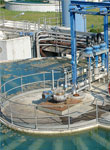
The project was implemented at the San Cesario sul Panaro wastewater treatment plant in the province of Modena, chosen for its ample space, which enabled the construction of two open-air vertical reactors. The initial results from batch tests show high removal rates of nitrogen and phosphorus (ranging from 60% to 100%) and biomass growth that varies depending on the technology used. These findings open up possibilities for further exploration of potential scale-ups with the aim of industrialising the project.

In the coming months, the monitoring of key parameters and variables will be intensified, also to support a circular vision with an eye on industrial-scale prospects.

Ongoing talks with several companies in the Emilia-Romagna agro-industrial sector are focused on assessing the potential for scaling up the project.


Bilancio bs e be banner

Financial results FY2024 and
Creating shared value report 2024

Pre-Footer Standard

Hera SpA, Viale Carlo Berti Pichat 2/4, 40127 Bologna, Tel.051287111 www.gruppohera.it